HomeMCPWorkbenchSkills
HomeWorkbenchNotificationsMe
llms.txt · MCP GuidePrivacy Policy · Terms of Service · Supportv1.8.0
  1. Home
  2. /Reaction

Diisopropylamine → 4-Chloronicotinic acid hydrochloride

HRID 16702
Notes
Print preview

Reaction equation

HRID 16702 reaction equation
C(NC(C)C)(C)C.C([Li])CCC.CCCCCC.[C:19](=[O:21])=[O:20].CC(C)=O.[Cl:26][C:27]1[CH:32]=[CH:31][N:30]=[CH:29][CH:28]=1.[OH-].[Na+]>O1CCCC1.C(=O)=O>[ClH:26].[Cl:26][C:27]1[C:32]([C:19]([OH:21])=[O:20])=[CH:31][N:30]=[CH:29][CH:28]=1
ParticipantsProcedureWorkupSources & evidenceReaction notes

Participants

8

Reactant 5

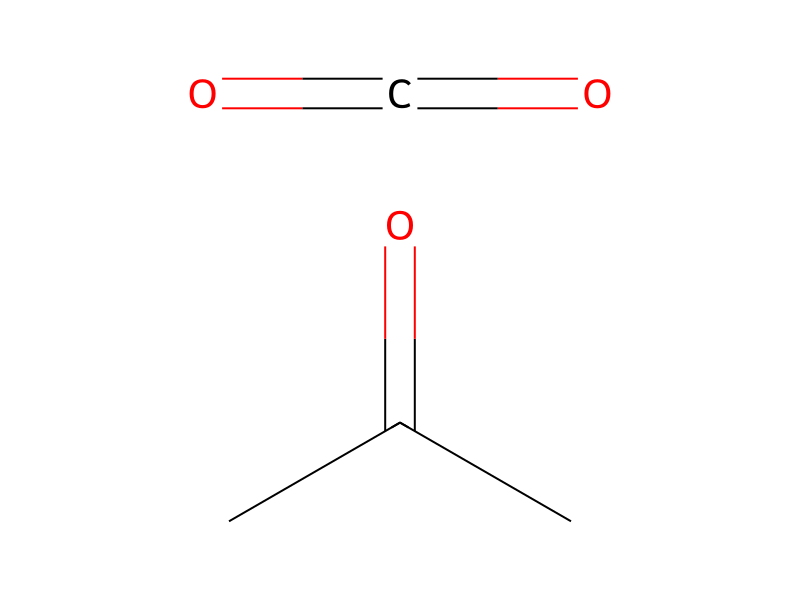
HCID 7912DiisopropylamineHCID 122884-ChloropyridineHCID 14798Sodium HydroxideHCID 18522661Acetone cardiceHCID 178418244HCID 178418244, compound

Product 1

HCID 672201864-Chloronicotinic acid hydrochloride

Reagents, catalysts & solvents 2

HCID 280Carbon DioxideSolvent
HCID 8028TetrahydrofuranSolvent2×

Procedure

To a solution of diisopropylamine (20.0 g) in tetrahydrofuran (200 ml) is added dropwise 1.6 M n-butyllithium/n-hexane solution under ice-cooling. The mixture is then stirred for 30 minutes under the same cooling conditions. The reaction mixture is cooled with dry ice-acetone, and thereto is added dropwise a solution of 4-chloropyridine (20.4 g) in tetrahydrofuran (100 ml). The mixture is then stirred for 20 minutes under the same cooling conditions. The resulting reaction solution is poured in crushed dry ice in a portion and then warmed to room temperature. The reaction solution is cooled with ice and basified by addition of sodium hydroxide, followed by concentration under reduced pressure. The resulting residue is dissolved in water and washed with dichloromethane. The aqueous layer is cooled with ice and acidified with conc. hydrochloric acid. The precipitates are collected by filtration and dried to give 4-chloronicotinic acid hydrochloride (21.4 g).


Workup

  1. temperaturecooling
  2. temperaturesame cooling conditions
  3. stirringThe mixture is then stirred for 20 minutes under the
  4. temperaturesame cooling conditions
  5. customThe resulting reaction solution
  6. temperatureThe reaction solution is cooled with ice
  7. concentrationfollowed by concentration under reduced pressure
  8. dissolutionThe resulting residue is dissolved in water
  9. washwashed with dichloromethane
  10. temperatureThe aqueous layer is cooled with ice
  11. filtrationThe precipitates are collected by filtration
  12. customdried

Sources & evidence

ORD record
ord-bce8909d0b5e40458370e4e1f9385f9e
Source dataset
uspto-grants-2010_06
DOI
10.6084/m9.figshare.5104873.v1
Patent number
US07737161B2

Reaction notes

Loading…

On this pageParticipantsProcedureWorkupSources & evidenceReaction notes