Reaction equation

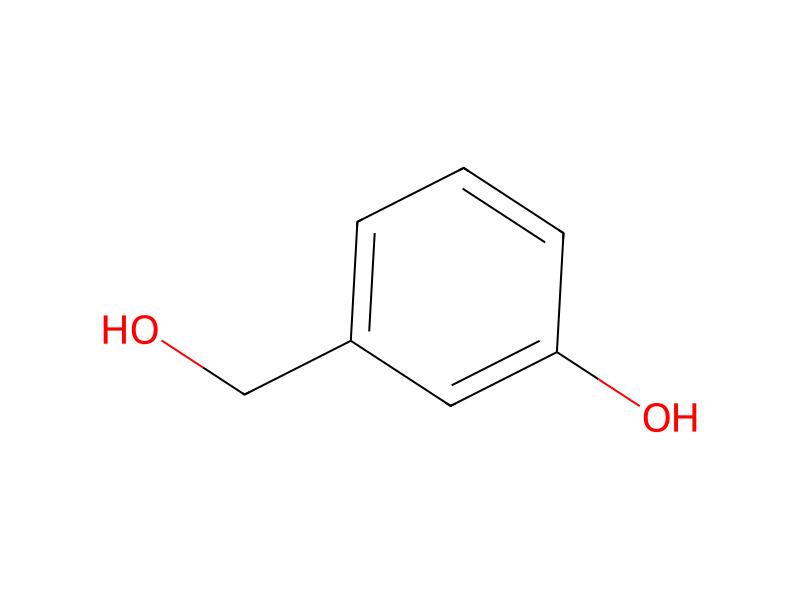
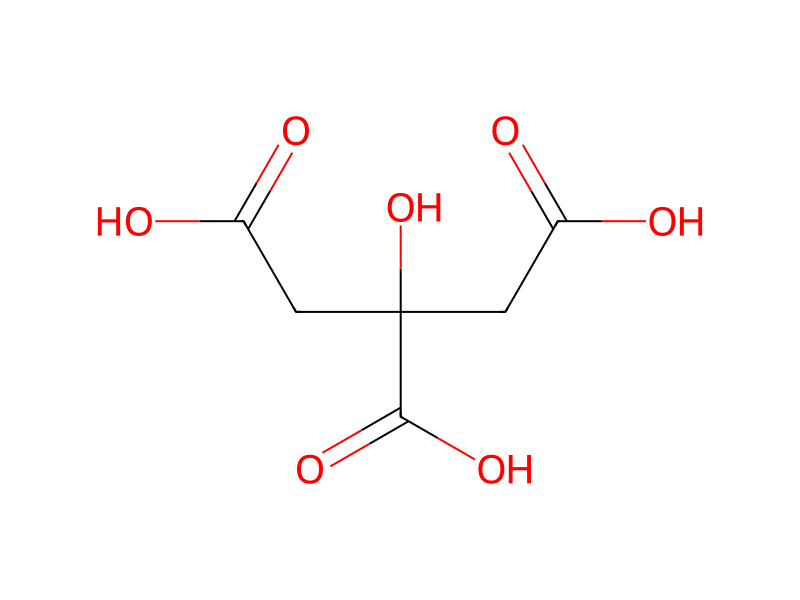
[OH:1][C:2]1[CH:3]=[C:4]([CH:7]=[CH:8][CH:9]=1)[CH2:5][OH:6].[OH-].[Na+].[CH2:12](Br)[C:13]#[CH:14].C1(C)C(C)=CC=CC=1.C(O)(=O)CC(CC(O)=O)(C(O)=O)O>C1COCC1.O>[CH2:14]([O:1][C:2]1[CH:3]=[C:4]([CH:7]=[CH:8][CH:9]=1)[CH2:5][OH:6])[C:13]#[CH:12]Participants
8






Procedure
To a solution of 3-hydroxybenzylalcohol (2.4 g, 20 mmol) in THF (50 mL) and water (2.5 mL) was first added powdered sodium hydroxide (1.5 g, 37.5 mmol) and then a solution of propargyl bromide, dissolved as an 80% weight solution in xylene (3.36 mL, 30 mmol). The reaction mixture was heated at reflux for 6 h. To the mixture was added 10% citric acid (2.5 mL) and the solvent was removed under vacuum. The residue was extracted with ethyl acetate (3×15 mL) and the combined organic layers were washed with saturated NaCl solution (10 mL), dried over MgSO4 and concentrated to give the 3-propargyloxybenzyl alcohol.
Workup
- temperatureThe reaction mixture was heated
- temperatureat reflux for 6 h
- customthe solvent was removed under vacuum
- extractionThe residue was extracted with ethyl acetate (3×15 mL)
- washthe combined organic layers were washed with saturated NaCl solution (10 mL)
- dry with materialdried over MgSO4
- concentrationconcentrated
Sources & evidence
- ORD record
- ord-a4df0e5f14c14062970be199319756ce
- Source dataset
- uspto-grants-2010_06
- Patent number
- US07737226B2
Linked notes
Loading…