HomeMCPSkillsWorkbenchOpenChem
HomeWorkbenchNotificationsMe
llms.txt · skill.md · MCP GuidePrivacy Policy · Terms of Service · Supportv1.8.5
  1. Home
  2. /Reaction

Acetic Acid → 1-Acenaphthenone

HRID 1672749
Print

Reaction equation

[CH2:1]1[C:11]2=[C:12]3[C:7](=[CH:8][CH:9]=[CH:10]2)[CH:6]=[CH:5][CH:4]=[C:3]3[CH2:2]1.C(O)(=[O:15])C>O.O.O.O.O.O.[Co](Br)Br.O.O.O.O.C([O-])(=O)C.[Co+2].C([O-])(=O)C.O.O.O.O.C([O-])(=O)C.[Mn+2].C([O-])(=O)C>[C:2]1(=[O:15])[C:3]2=[C:12]3[C:7](=[CH:6][CH:5]=[CH:4]2)[CH:8]=[CH:9][CH:10]=[C:11]3[CH2:1]1
ParticipantsProcedureWorkupSources & evidenceReaction notes

Participants

6

Reactant 2

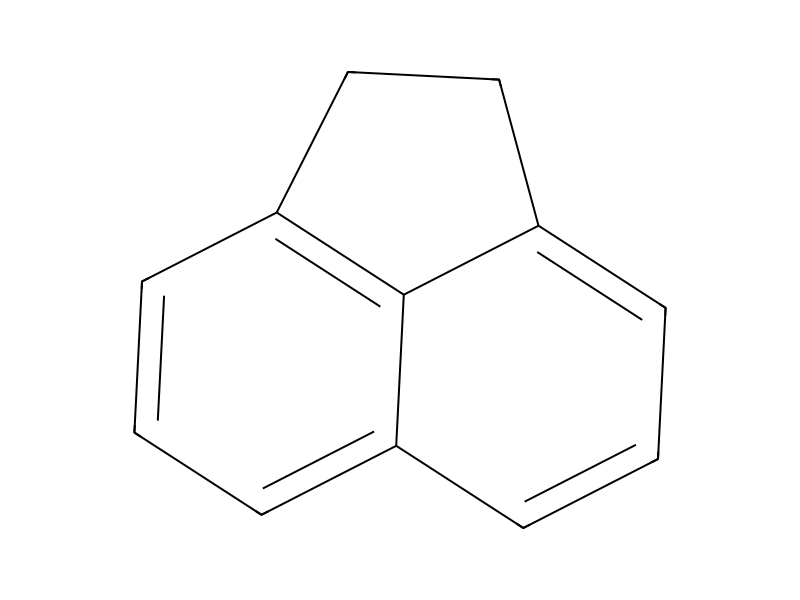
HCID 176Acetic AcidHCID 6734Acenaphthene2×

Product 1

HCID 752291-AcenaphthenoneYield 28.1%

Reagents, catalysts & solvents 3

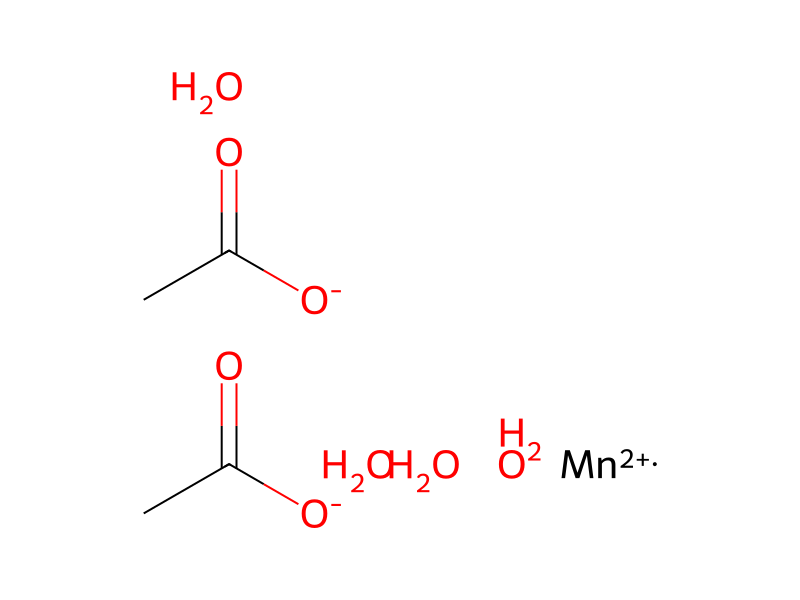
HCID 61372Cobalt(II) acetate tetrahydrateCatalystHCID 93021Manganese acetate tetrahydrateCatalyst
HCID 86641719
Cobalt bromide, hexahydrate
Catalyst

Procedure

To a three necked flask of 10 L, 308 g of acenaphthene, 3250 mL of acetic acid, 30.6 g of cobalt (II) bromide hexahydrate, 6.1 g of cobalt (II) acetate tetrahydrate, and 1.5 g of manganese (II) acetate tetrahydrate were put. These components were stirred and mixed to be dissolved totally. Then, air was blown into the liquid at a rate of 400 L/h at 20° C. and room pressure. After 4.3 hours, the reaction was stopped, and the generated reaction solution was analyzed by gas chromatography. As a result, it was found that the acenaphthene inversion rate was 99.2% and the acenaphthene-1-one yield was 28.1%.

Workup

  1. additionmixed
  2. dissolutionto be dissolved totally
  3. customwas blown into the liquid at a rate of 400 L/h at 20° C.
  4. customthe generated reaction solution

Sources & evidence

ORD record
ord-30ede4f835e04638a060b07d943c8feb
Source dataset
uspto-grants-2011_08
DOI
10.6084/m9.figshare.5104873.v1
Patent number
US07999055B2

Reaction notes

On this pageParticipantsProcedureWorkupSources & evidenceReaction notes