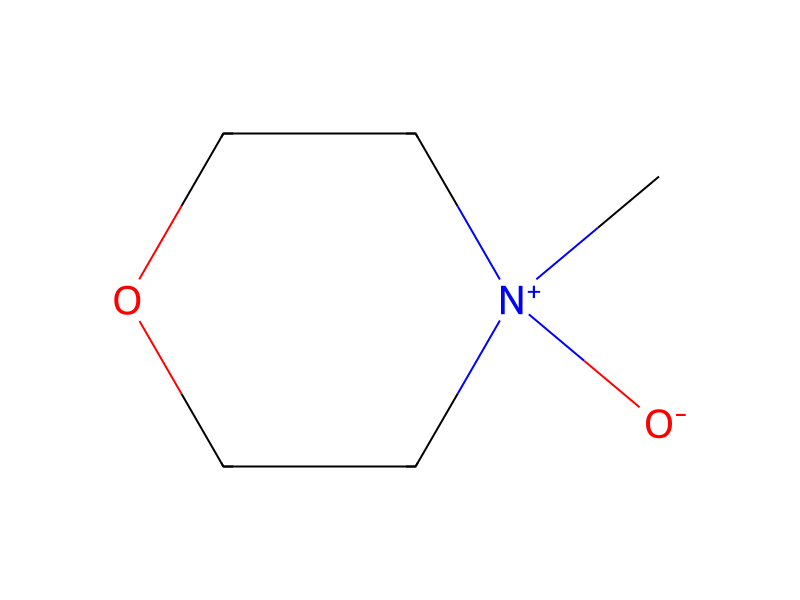
O1CCOC1CC=C1C[N:10]([C:12]([O:14][CH2:15][C:16]2[CH:21]=[CH:20][CH:19]=[CH:18][CH:17]=2)=[O:13])[CH2:9]1.C[N+]1([O-])CC[O:26]CC1.[C:30]([O:33][CH2:34][CH3:35])(=[O:32])[CH3:31].[CH3:36][C:37]([CH3:39])=[O:38].O>[Os](=O)(=O)(=O)=O>[O:33]1[CH2:34][CH2:35][O:32][CH:30]1[CH2:31][CH:36]([C:37]1([OH:38])[CH2:9][N:10]([C:12]([O:14][CH2:15][C:16]2[CH:21]=[CH:20][CH:19]=[CH:18][CH:17]=2)=[O:13])[CH2:39]1)[OH:26]Phenylmethyl 3-[2-(1,3-dioxolan-2-yl)ethylidene]azetidine-1-carboxylate (220 mg, 0.761 mmol), and 4-methylmorpholine N-oxide (287 mg, 2.45 mmol) were dissolved in acetone/water (4:1; 10 mL) and osmium tetroxide (4 wt. % in water; 0.05 mL) was added. The solution was stirred at ambient for 20 h, then was quenched with saturated sodium bisulfite (2 mL) and concentrated in vacuo. The residue was partitioned between ethyl acetate and brine. The aqueous portion was extracted with ethyl acetate. The combined organic portion was washed with brine, dried over anhydrous sodium sulfate, filtered and concentrated in vacuo. Column chromatography (silica gel, ethyl acetate) gave phenylmethyl 3-[2-(1,3-dioxolan-2-yl)-1-hydroxyethyl]-3-hydroxyazetidine-1-carboxylate (244 mg, 0.755 mmol, 99% yield): 1H NMR (400 MHz, CDCl3): 7.38-7.28 (m, 5H), 5.11-5.07 (m, 3H), 4.14-4.01 (m, 4H), 3.96-3.86 (m, 5H), 3.47 (d, 1H), 2.97-2.94 (m, 1H), 1.98-1.84 (m, 2H).