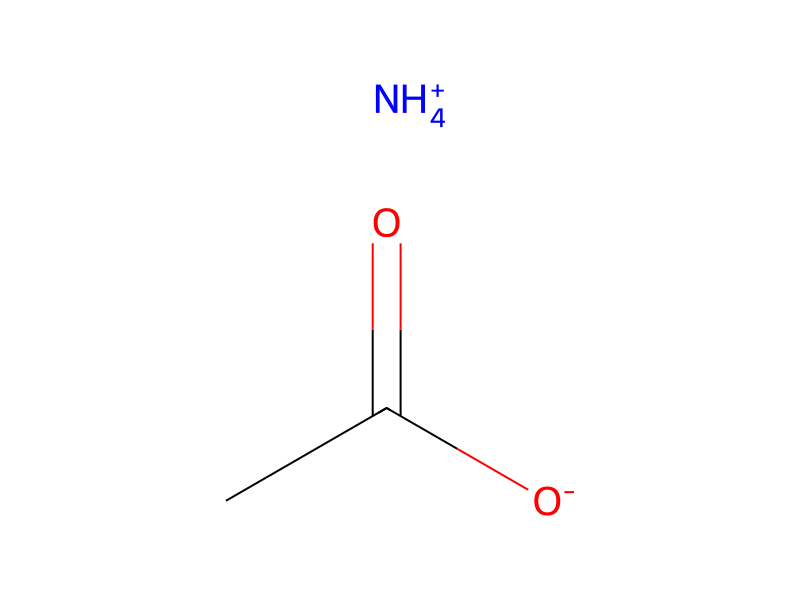
To a mixture of 3-pyridin-2-yl-benzaldehyde (290 mg, 1.6 mmol) described in Manufacturing Example 84-1-1 and acetic acid (5 mL) were added nitromethane (0.65 mL, 12 mmol) and ammonium acetate (370 mg, 4.8 mmol), which was stirred for 2 hours at 100° C. The reaction mixture was cooled to room temperature and water was added, followed by extraction with ethyl acetate. The organic layer was washed with saturated aqueous sodium chloride and dried over anhydrous magnesium sulfate, and the solvent was evaporated under a reduced pressure. A mixture of dimethyl sulfoxide (6 mL) and acetic acid (0.4 mL) was added to the resulting residue, and sodium borohydride (97 mg, 2.6 mmol) was added at room temperature while cooling appropriately. The reaction mixture was stirred for 10 minutes at the same temperature. Water was added to the reaction mixture at room temperature, which was then extracted with ethyl acetate. The organic layer was washed with saturated aqueous sodium chloride, and was concentrated under a reduced pressure. The resulting residue was purified by NH silica gel column chromatography (heptane:ethyl acetate=2:1) to obtain the title compound (260 mg, 71%).