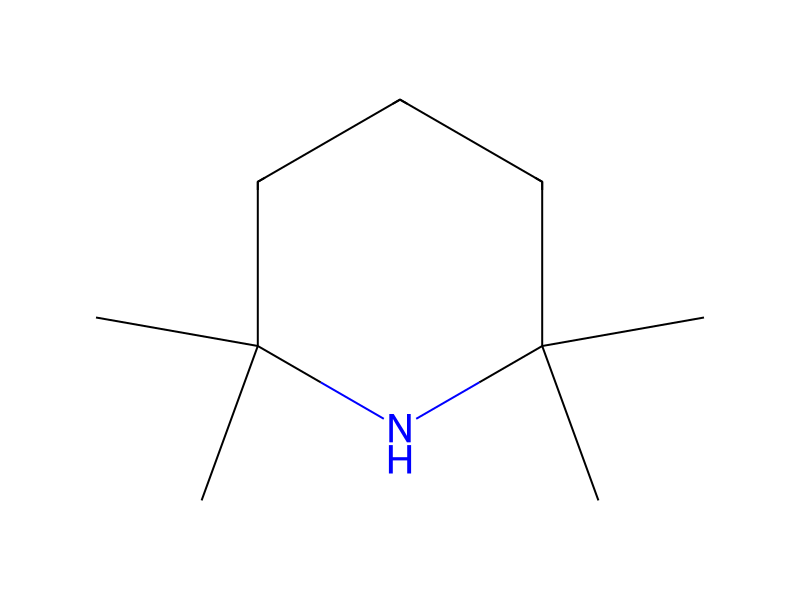
C([Li])CCC.CC1(C)CCCC(C)(C)N1.[Cl:16][C:17]1[C:25]([F:26])=[N:24][CH:23]=[CH:22][C:18]=1[C:19]([OH:21])=[O:20].[O:27]1[C:31]2([CH2:36][CH2:35][C:34](=O)[CH2:33][CH2:32]2)[O:30][CH2:29][CH2:28]1>CCCCCC.O.O1CCCC1>[Cl:16][C:17]1[C:18]2[C:19](=[O:21])[O:20][C:34]3([CH2:35][CH2:36][C:31]4([O:30][CH2:29][CH2:28][O:27]4)[CH2:32][CH2:33]3)[C:22]=2[CH:23]=[N:24][C:25]=1[F:26]At −60° C., n-butyllithium (1.50 M hexane solution) (75.9 mL) was dropwise added to tetrahydrofuran (100 mL) solution of 2,2,6,6-tetramethylpiperidine (12.5 g), and stirred at −78° C. for 30 minutes. At −78° C., 3-chloro-2-fluoroisonicotinic acid (5.00 g) was added to the reaction liquid, and stirred at −78° C. for 2 hours. Then, at −78° C., tetrahydrofuran (50 mL) solution of 1,4-dioxaspiro[4.5]decan-8-one (5.78 g) was added to the reaction liquid, and stirred for 30 minutes at −78° C. The reaction liquid was warmed up under cooling with ice, and water and hexane were added thereto in that order. The aqueous layer and the organic layer were separated from each other, then the aqueous layer was made acidic (pH of 1 to 2) with 2 M hydrochloric acid added thereto and the stirred at room temperature for 2 hours. The formed solid was taken out through filtration, washed with water, and dried under reduced pressure to obtain the entitled compound (4.39 g, 49%) as a pale brown solid.