HomeMCPWorkbenchSkills
HomeWorkbenchNotificationsMe
llms.txt · MCP GuidePrivacy Policy · Terms of Service · Supportv1.8.3
  1. Home
  2. /Reaction

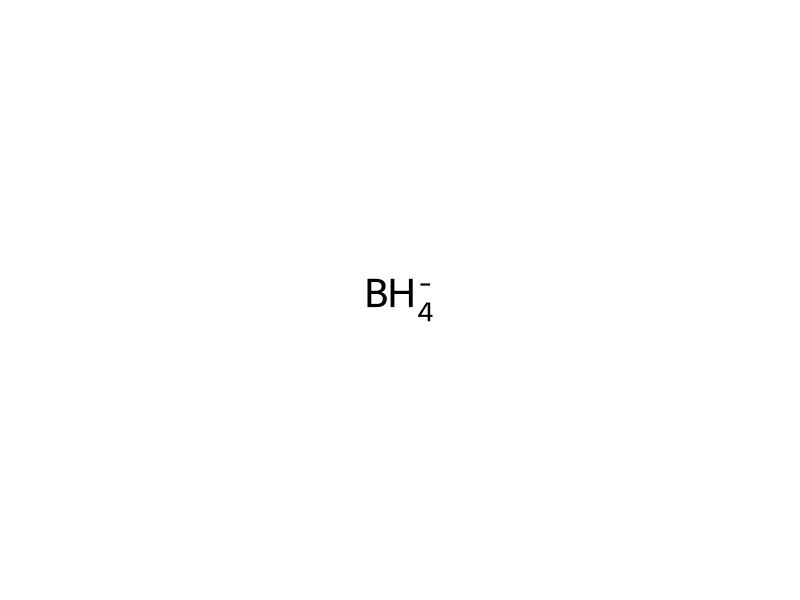
Borohydride → 1-ethyl-3-(4-(4-((S)-3-methylmorpholino)-7-((tetrahydrofuran-3-yl)methyl)-5,6,7,8-tetrahydropyrido[3,4-d]pyrimidin-2-yl)phenyl)urea

HRID 1697949
Print

Reaction equation

HRID 1697949 reaction equation
Cl.[CH2:2]([NH:4][C:5]([NH:7][C:8]1[CH:13]=[CH:12][C:11]([C:14]2[N:15]=[C:16]([N:24]3[CH2:29][CH2:28][O:27][CH2:26][C@@H:25]3[CH3:30])[C:17]3[CH2:23][CH2:22][NH:21][CH2:20][C:18]=3[N:19]=2)=[CH:10][CH:9]=1)=[O:6])[CH3:3].[O:31]1[CH2:35][CH2:34][CH:33]([CH:36]=O)[CH2:32]1.[BH-](OC(C)=O)(OC(C)=O)OC(C)=O.[Na+].[BH4-]>C1COCC1>[CH2:2]([NH:4][C:5]([NH:7][C:8]1[CH:9]=[CH:10][C:11]([C:14]2[N:15]=[C:16]([N:24]3[CH2:29][CH2:28][O:27][CH2:26][C@@H:25]3[CH3:30])[C:17]3[CH2:23][CH2:22][N:21]([CH2:36][CH:33]4[CH2:34][CH2:35][O:31][CH2:32]4)[CH2:20][C:18]=3[N:19]=2)=[CH:12][CH:13]=1)=[O:6])[CH3:3]
ParticipantsProcedureWorkupSources & evidenceReaction notes

Participants

6

Reactant 4

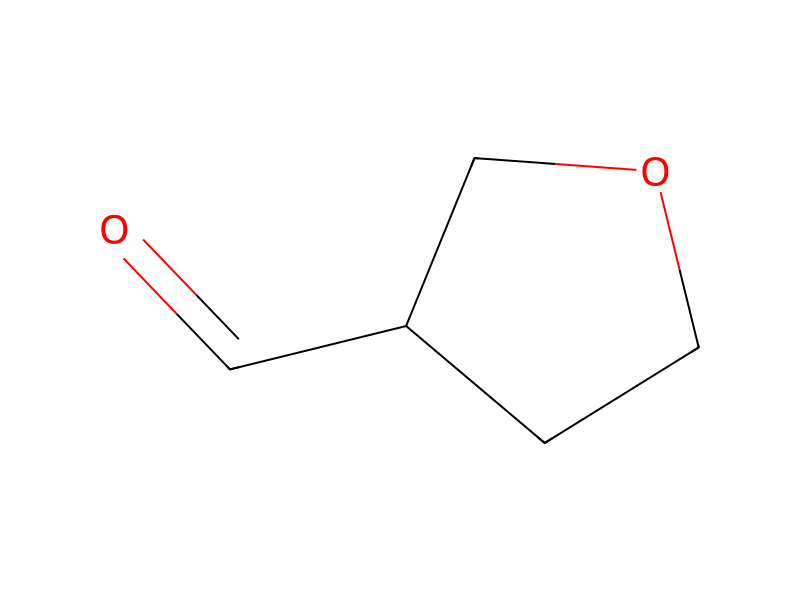
HCID 28123BorohydrideHCID 1575683-Furancarboxaldehyde, tetrahydro-HCID 5049666Sodium triacetoxyborohydrideHCID 66687899(S)-1-ethyl-3-(4-(4-(3-methylmorpholino)-5,6,7,8-tetrahydropyrido[3,4-d]pyrimidin-2-yl)phenyl)urea hydrochloride

Product 1

HCID 59239060
1-ethyl-3-(4-(4-((S)-3-methylmorpholino)-7-((tetrahydrofuran-3-yl)methyl)-5,6,7,8-tetrahydropyrido[3,4-d]pyrimidin-2-yl)phenyl)urea
Yield 57.2%

Reagents, catalysts & solvents 1

HCID 8028TetrahydrofuranSolvent

Procedure

To a suspension of (S)-1-ethyl-3-(4-(4-(3-methylmorpholino)-5,6,7,8-tetrahydropyrido[3,4-d]pyrimidin-2-yl)phenyl)urea hydrochloride (ca) (174 mg, 0.4 mmol) and tetrahydrofuran-3-carbaldehyde (55 μL, 0.6 mmol) in THF (3 mL) was added Na(OAc)3BH in portions. After 2 hrs, more aldehyde (18 μL) and borohydride (71 mg) were added, and the resultant mixture was stirred for 1 h. The reaction mixture was quenched by addition of MeOH and few drops of AcOH, and concentrated in vacuo. The crude solid was redissolved in H2O, extracted with EtOAc (4×10 mL). The combined EtOAc were dried over Magnesium sulfate, filtered, and purified by RP-HPLC to afford 110 mg (57%) of compound ng as a yellow solid. 1H NMR (400 MHz, DMSO) δ 8.65 (s, 1H), 8.15 (d, J=8.8, 2H), 7.47 (d, J=8.8, 2H), 6.16 (t, J=5.5, 1H), 4.13 (d, J=6.6, 1H), 3.87 (d, J=11.3, 1H), 3.80-3.39 (m, 12H), 3.16-3.07 (m, 2H), 2.75-2.64 (m, 3H), 2.55 (d, J=8.6, 1H), 2.46 (d, J=7.4, 2H), 1.98 (td, J=12.7, 7.7, 1H), 1.57 (td, J=13.5, 7.1, 1H), 1.24 (d, J=6.6, 3H), 1.06 (t, J=7.2, 3H). LC-MS: m/z=+481 (M+H)+.

Workup

  1. customThe reaction mixture was quenched by addition of MeOH and few drops of AcOH
  2. concentrationconcentrated in vacuo
  3. dissolutionThe crude solid was redissolved in H2O
  4. extractionextracted with EtOAc (4×10 mL)
  5. dry with materialThe combined EtOAc were dried over Magnesium sulfate
  6. filtrationfiltered
  7. custompurified by RP-HPLC

Sources & evidence

ORD record
ord-24403b850fd64a6ead3e212a8b763457
Source dataset
uspto-grants-2012_04
DOI
10.6084/m9.figshare.5104873.v1
Patent number
US08163763B2

Reaction notes

On this pageParticipantsProcedureWorkupSources & evidenceReaction notes

