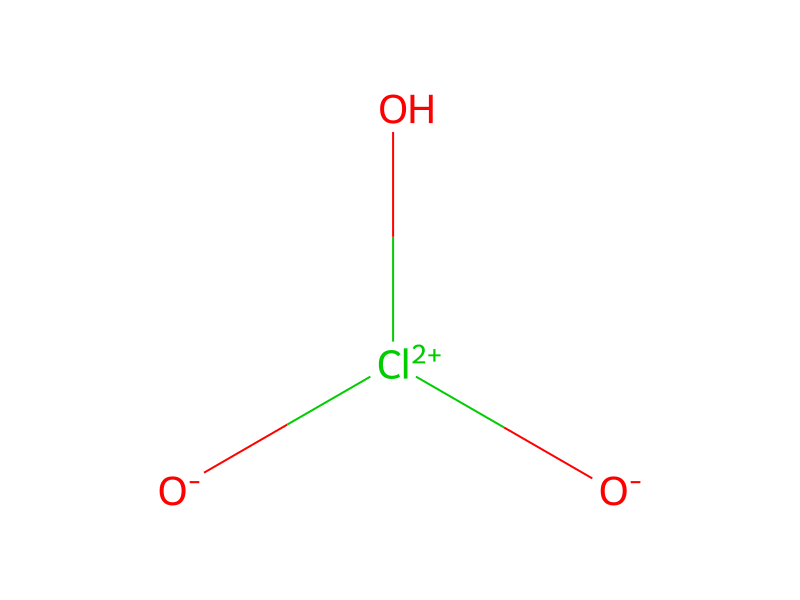
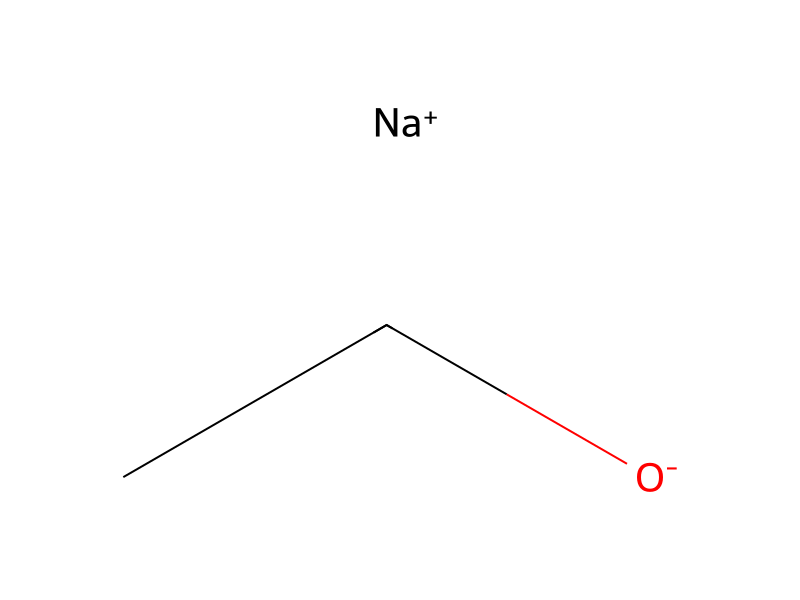
[Cl:1][C:2]1[CH:3]=[C:4]([C:29]2[NH:33][N:32]=[N:31][N:30]=2)[N:5]([C:7]2[CH:28]=[CH:27][C:10]([CH2:11][N:12]3[C:16]4=[N:17][CH:18]=[CH:19][C:20]([CH3:21])=[C:15]4[N:14]=[C:13]3S(CC)(=O)=O)=[CH:9][CH:8]=2)[CH:6]=1.[O-:34][CH2:35][CH3:36].[Na+].Cl(O)(=O)=O>C(O)C.ClCCl>[Cl:1][C:2]1[CH:3]=[C:4]([C:29]2[NH:30][N:31]=[N:32][N:33]=2)[N:5]([C:7]2[CH:8]=[CH:9][C:10]([CH2:11][N:12]3[C:16]4=[N:17][CH:18]=[CH:19][C:20]([CH3:21])=[C:15]4[N:14]=[C:13]3[O:34][CH2:35][CH3:36])=[CH:27][CH:28]=2)[CH:6]=1To a stirred solution of 3-[4-[4-chloro-2-(1H-tetrazol-5-yl)-1-pyrrolyl]benzyl]-2-ethylsulfonyl-7-methyl-3H-imidazo[4,5-b]pyridine (209 mg) in ethanol(2 ml) was added 1N sodium ethoxide solution in ethanol (1.02 ml) and dichloromethane(30 ml) at room temperature and the resulting mixture was heated under reflux for two hours. After cooling, the mixture was treated with 7% aqueous hydrogenchloric acid and the organic phase was washed with water and dried over anhydrous magnesium sulfute. After filtration the solvent was removed in vauo and the residue was purified by preparative thin layer chromatography eluting with dichloromethane-methanol(8:1 v/v) to give 3-[4-[4-chloro-2-(1H-tetrazol-5-yl)-1-pyrrolyl]benzyl]-2-ethoxy-7-methyl-3H-imidazo[4,5-b]pyridine(97 mg) as a amorphous solid which was powderized by treating with diethylether.