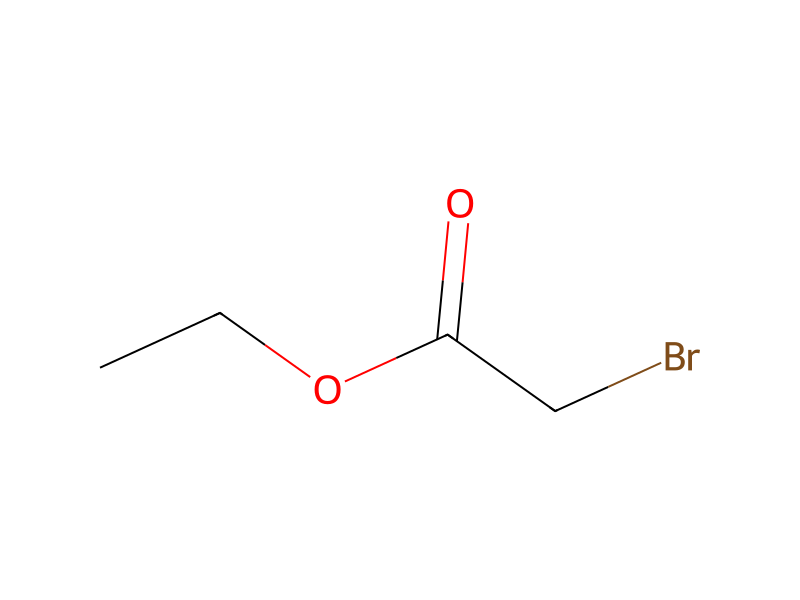
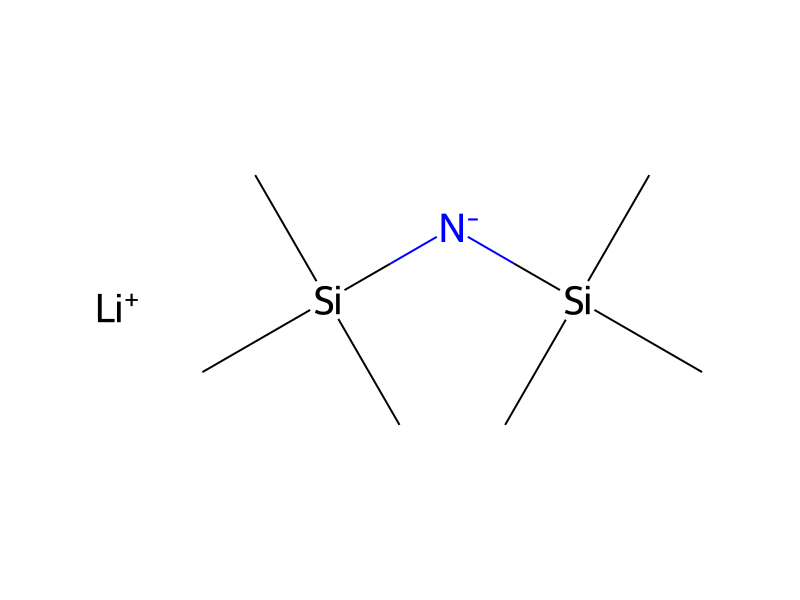
Water → [3-(4-Cyano-3-trifluoromethyl-phenoxy)-4,4-dimethyl-2-oxo-pyrrolidin-1-yl]-acetic acid ethyl ester
HRID 1715330
Reaction equation
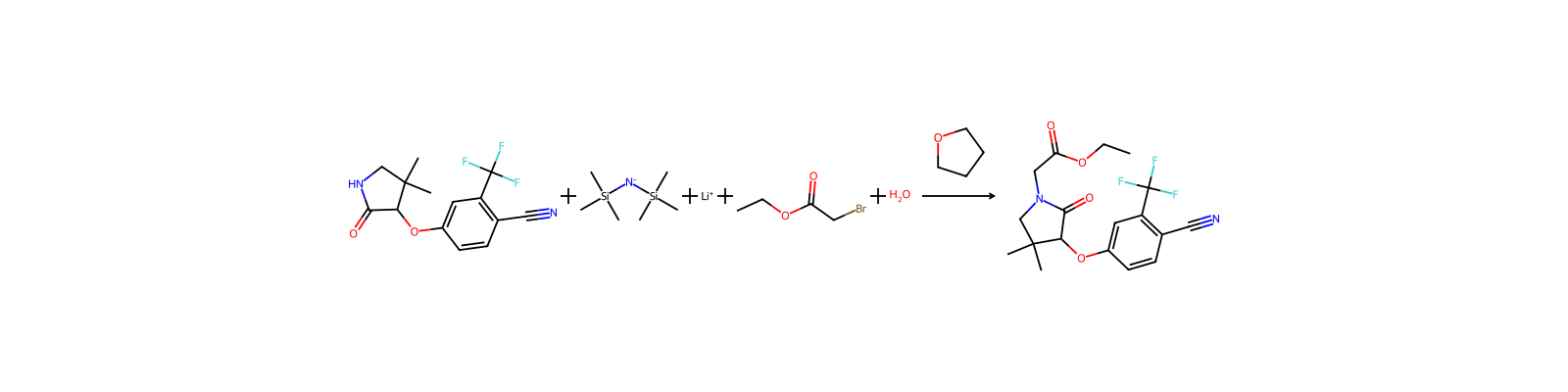
[CH3:1][C:2]1([CH3:21])[CH2:6][NH:5][C:4](=[O:7])[CH:3]1[O:8][C:9]1[CH:16]=[CH:15][C:12]([C:13]#[N:14])=[C:11]([C:17]([F:20])([F:19])[F:18])[CH:10]=1.C[Si]([N-][Si](C)(C)C)(C)C.[Li+].[CH2:32]([O:34][C:35](=[O:38])[CH2:36]Br)[CH3:33].O>C1COCC1>[CH2:32]([O:34][C:35](=[O:38])[CH2:36][N:5]1[CH2:6][C:2]([CH3:21])([CH3:1])[CH:3]([O:8][C:9]2[CH:16]=[CH:15][C:12]([C:13]#[N:14])=[C:11]([C:17]([F:18])([F:20])[F:19])[CH:10]=2)[C:4]1=[O:7])[CH3:33]Participants
6