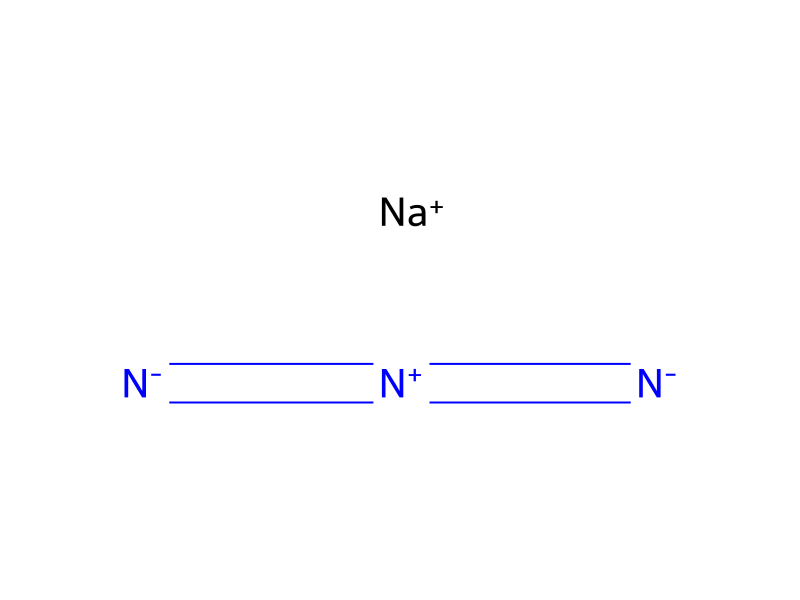
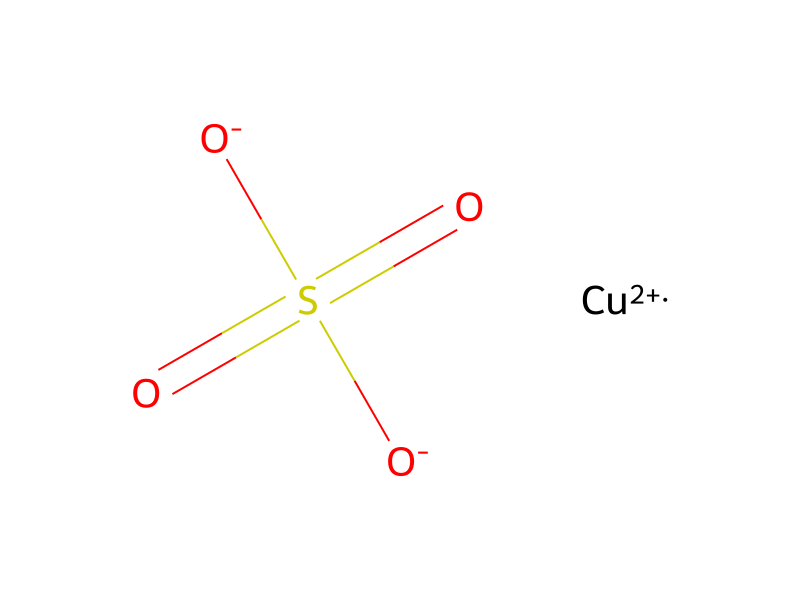
Benzyl bromide (1.0 eq), D2 (1.05 eq) and NaN3 (1.05 eq) were suspended in a 1:1 mixture of H2O and t-BuOH (0.1M) in a 10-mL glass vial equipped with a small magnetic stirring bar. To this was added Cu powder (0.8 eq) and CuSO4 solution (1.0M, 0.2 eq) and the vial was tightly sealed with an aluminum/Teflon crimp top. The mixture was then irradiated for 10 min at 125° C., using an irradiation power of 100 W. After completion of the reaction, the vial was cooled to 50° C. with air jet cooling before it was opened. It was then diluted with H2O and precipitated product was collected by filtration, and washed with cold H2O, followed by 0.25M HCl and finally with Petroleum ether to furnish a crude material which was purified by preparative RP-HPLC, using H2O (+0.1% TFA) and MeCN (+0.1% TFA) as eluents (column: C18) and the desired fractions were freeze dried to yield the product (D3). 1H NMR (400 MHz, DMSO, 300). δ 8.92 (1H, s), 8.16-8.12 (1H, m), 7.73 (1H, d, J=4.4 Hz), 7.44-7.33 (5H, m), 5.70 (2H, s). MS (ES) C15H10F3N3OS requires: 337, found: 338 (M+H+) and 356 (M+H2O+H)+.