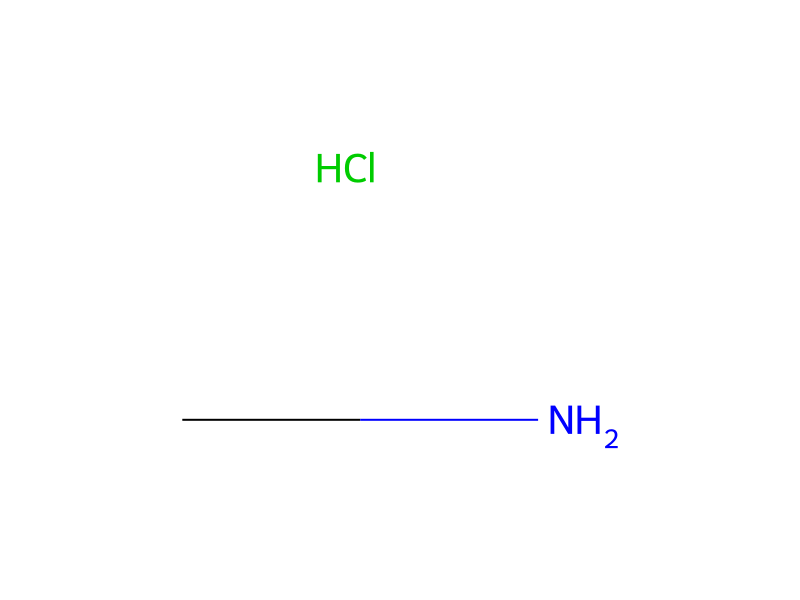
Methylamine hydrochloride (0.200 g, 2.96 mmol) and potassium carbonate (0.400 g, 2.89 mmol), and acetonitrile (5 ml) as a solvent were placed into a round bottom flask (25 cc), followed by stirring at room temperature. After confirming the generation of carbon dioxide gas, N-(2-fluoro-4-chloro-5-cyclopentyloxyphenyl)-3,4,5,6-tetrahydroisophthalimide (0.650 g, 1.79 mmol) was added thereto, followed by stirring overnight at room temperature. After completion of the reaction, the reaction mixture was poured into 1N hydrochloric acid (20 ml), and the mixture was extracted with ethyl acetate (40 ml x 3 portions). After drying the organic layer over anhydrous magnesium sulfate, the drying agent was removed, and the solvent was distilled off under reduced pressure. The precipitated crystals were isolated by filtration, thoroughly washed with hexane and dried to obtain N-(2-fluoro-4-chloro-5-cyclopentyloxyphenyl)-N'-methyl-3,4,5,6-tetrahydrophthalamide as white crystals (0.380 g, 53.8% yield). The melting point and the spectral data thereof are shown in Example 37.