HomeMCPWorkbenchSkills
HomeWorkbenchNotificationsMe
llms.txt · MCP GuidePrivacy Policy · Terms of Service · Supportv1.8.0
  1. Home
  2. /Reaction

Benzene → 1,6-Dihydro-1-[[methyl(phenylmethyl)amino]carbonyl]-2-methoxy-4-methyl-6-(3-nitrophenyl)-5-pyrimidinecarboxylic acid, 1-methylethyl ester

HRID 1722399
Notes
Print preview

Reaction equation

HRID 1722399 reaction equation
[CH3:1][O:2][C:3]1[NH:4][C:5]([CH3:24])=[C:6]([C:18]([O:20][CH:21]([CH3:23])[CH3:22])=[O:19])[CH:7]([C:9]2[CH:14]=[CH:13][CH:12]=[C:11]([N+:15]([O-:17])=[O:16])[CH:10]=2)[N:8]=1.[CH2:25]([N:27]([CH2:30]C)[CH2:28][CH3:29])C.C(Cl)(Cl)=[O:33].[CH:36]1C=[CH:40][CH:39]=[CH:38][CH:37]=1.C(CN)C1C=CC=CC=1>ClCCl>[CH3:30][N:27]([CH2:28][C:29]1[CH:40]=[CH:39][CH:38]=[CH:37][CH:36]=1)[C:25]([N:8]1[CH:7]([C:9]2[CH:14]=[CH:13][CH:12]=[C:11]([N+:15]([O-:17])=[O:16])[CH:10]=2)[C:6]([C:18]([O:20][CH:21]([CH3:22])[CH3:23])=[O:19])=[C:5]([CH3:24])[N:4]=[C:3]1[O:2][CH3:1])=[O:33]
ParticipantsConditionsProcedureWorkupSources & evidenceReaction notes

Participants

7

Reactant 5

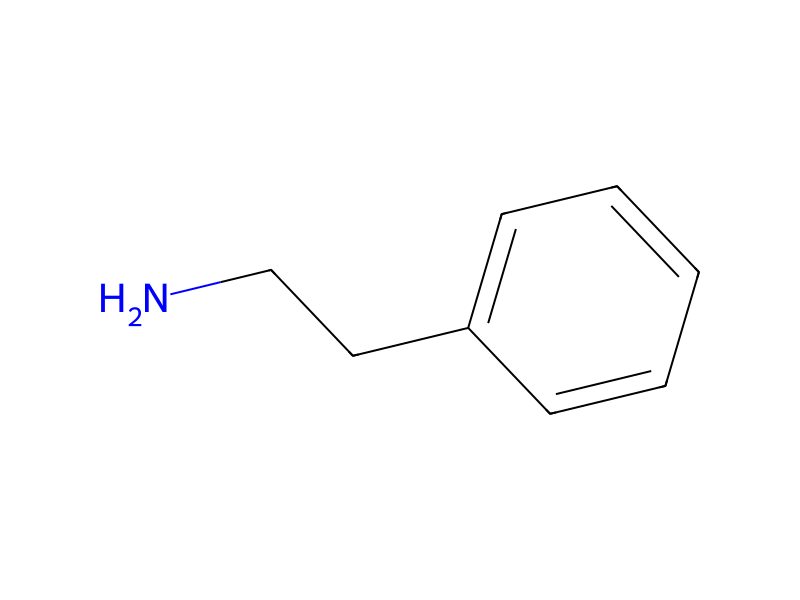
HCID 241BenzeneHCID 1001PhenethylamineHCID 6371PhosgeneHCID 8471TriethylamineHCID 146271971,4-Dihydro-2-methoxy-6-methyl-4-(3-nitrophenyl)-5-pyrimidinecarboxylic acid, 1-methyethyl ester

Product 1

HCID 14257071
1,6-Dihydro-1-[[methyl(phenylmethyl)amino]carbonyl]-2-methoxy-4-methyl-6-(3-nitrophenyl)-5-pyrimidinecarboxylic acid, 1-methylethyl ester

Reagents, catalysts & solvents 1

HCID 6344DichloromethaneSolvent2×

Conditions

Temperature
0 °C

Procedure

A solution of 1,4-dihydro-2-methoxy-6-methyl-4-(3-nitrophenyl)-5-pyrimidinecarboxylic acid, 1-methylethyl ester (3.34 g, 10 mmol; see Example 2A) and dry triethylamine (6.3 ml, 45 mmol) in dichloromethane (10 ml) in an ice bath under argon was treated dropwise via syringe with 1.3M phosgene in benzene solution (9.2 ml, 12 mmol). The resulting mixture was stirred in the bath for 20 hours. After cooling to 0° C. with a fresh ice bath, the mixture was treated with benzylmethylamine (1.95 ml, 15 mmol) and stirred at room temperature overnight. The reaction was then diluted with dichloromethane and washed with water, saturated sodium chloride, dried (potassium carbonate) and evaporated. The residue was passed through a short pad of silica, eluting with 20% acetone/hexanes. The fractions were combined evaporated and triturated with isopropyl ether to give white crystals (4.11 g), melting point 145°-146° C. (softens 140° C.).

Workup

  1. stirringstirred at room temperature overnight
  2. washwashed with water, saturated sodium chloride
  3. dry with materialdried (potassium carbonate)
  4. customevaporated
  5. washeluting with 20% acetone/hexanes
  6. customThe fractions were combined evaporated
  7. customtriturated with isopropyl ether

Sources & evidence

ORD record
ord-10e22d0b8d144bfc8cb77f4e8ab746d2
Source dataset
uspto-grants-1989_08
DOI
10.6084/m9.figshare.5104873.v1
Patent number
US04855301

Reaction notes

Loading…

On this pageParticipantsConditionsProcedureWorkupSources & evidenceReaction notes