Reaction equation

CN(C)C=O.ClC(OC(Cl)(Cl)Cl)=O.[C:14]([NH:33][C:34]1[S:35][CH:36]=[C:37](/[C:39](=[N:43]/[O:44][CH3:45])/[C:40]([OH:42])=O)[N:38]=1)([C:27]1[CH:32]=[CH:31][CH:30]=[CH:29][CH:28]=1)([C:21]1[CH:26]=[CH:25][CH:24]=[CH:23][CH:22]=1)[C:15]1[CH:20]=[CH:19][CH:18]=[CH:17][CH:16]=1.Cl.[NH2:47][CH:48]1[C:76](=[O:77])[N:50]2[C:51]([C:60]([O:62][CH:63]([C:70]3[CH:75]=[CH:74][CH:73]=[CH:72][CH:71]=3)[C:64]3[CH:69]=[CH:68][CH:67]=[CH:66][CH:65]=3)=[S:61])=[C:52]([CH:55]3[CH2:59][CH2:58][O:57][CH2:56]3)[CH2:53][S:54][C@H:49]12>ClCCl.O.C(O)(=O)C>[C:14]([NH:33][C:34]1[S:35][CH:36]=[C:37](/[C:39](=[N:43]/[O:44][CH3:45])/[C:40]([NH:47][CH:48]2[C:76](=[O:77])[N:50]3[C:51]([C:60]([O:62][CH:63]([C:64]4[CH:69]=[CH:68][CH:67]=[CH:66][CH:65]=4)[C:70]4[CH:75]=[CH:74][CH:73]=[CH:72][CH:71]=4)=[S:61])=[C:52]([CH:55]4[CH2:59][CH2:58][O:57][CH2:56]4)[CH2:53][S:54][C@H:49]23)=[O:42])[N:38]=1)([C:21]1[CH:26]=[CH:25][CH:24]=[CH:23][CH:22]=1)([C:15]1[CH:16]=[CH:17][CH:18]=[CH:19][CH:20]=1)[C:27]1[CH:28]=[CH:29][CH:30]=[CH:31][CH:32]=1Participants
Reactant 4



Product 1

Reagents, catalysts & solvents 3



Conditions
- Temperature
- -40 °C
Procedure
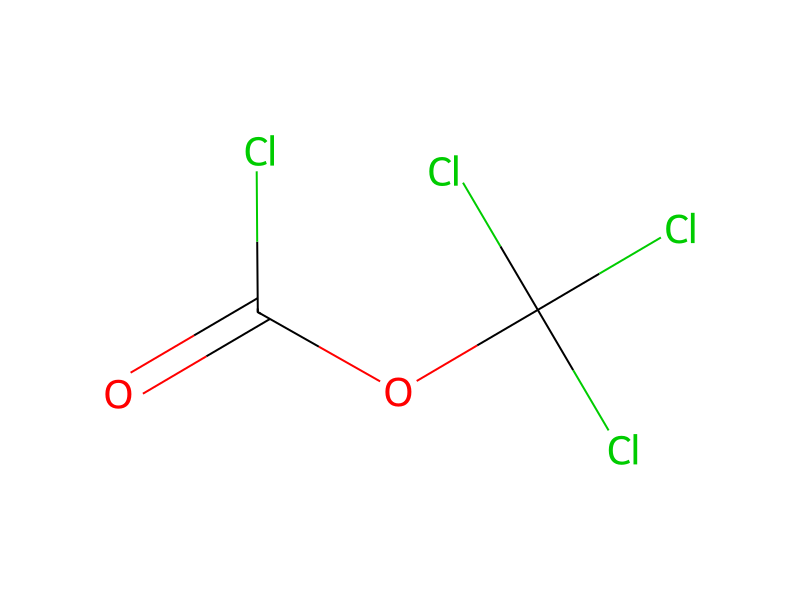
Vilthmyer reagent was prepared from dimethylformamide (52 mg) and trichloromethyl chloroformate (60 mg) in dichloromethane (1 ml) according to standard method. The Vilsmier reagent as prepared was cooled to -40° C., to which was then added a suspension of (Z)-2-(2-tritylaminothiazol-4-yl)-2-methoxyiminoacetic acid (266 mg) in dichloromethane (2 ml) and the resulting mixture was further stirred at -20° C. for 30 minutes to give a first solution. On the other hand, the diphenylmethyl 7-amino-3-(tetrahydrofuran-3-yl)thio-3-cephem-4-carboxylate hydrochloride (255 mg) was suspended in dichloromethane (2 ml), to which was added N,O-bistrimethylsilylacetamide (0.25 ml) to give a second, clear solution. The latter, second solution was added to the former, first solution, i.e. the solution containing the acetic acid derivative as activated with the Vilthmyer reagent as above, and the resulting mixture was stirred under ice-cooling for 60 minutes to effect the N-acylation reaction. The resulting reaction solution, after adding ice-cooled water thereto, was stirred well and then separated into organic and aqueous layers.
Workup
- customThe Vilsmier reagent as prepared
- additionwas then added
- customto give a first solution
- customto give a second, clear solution
- additionThe latter, second solution was added to the former, first solution, i.e. the solution
- stirringwas stirred under ice-
- temperaturecooling for 60 minutes
- customthe N-acylation reaction
- customThe resulting reaction solution
- additionafter adding ice-
- stirringwas stirred well
- customseparated into organic and aqueous layers
Sources & evidence
- ORD record
- ord-bdb029b8496f4f7b9f4cf713f6f85153
- Source dataset
- uspto-grants-1994_07
- Patent number
- US05332731
Linked notes
Loading…