HomeMCPSkillsWorkbenchOpenChem
HomeWorkbenchNotificationsMe
llms.txt · skill.md · MCP GuidePrivacy Policy · Terms of Service · Supportv1.8.4
  1. Home
  2. /Reaction

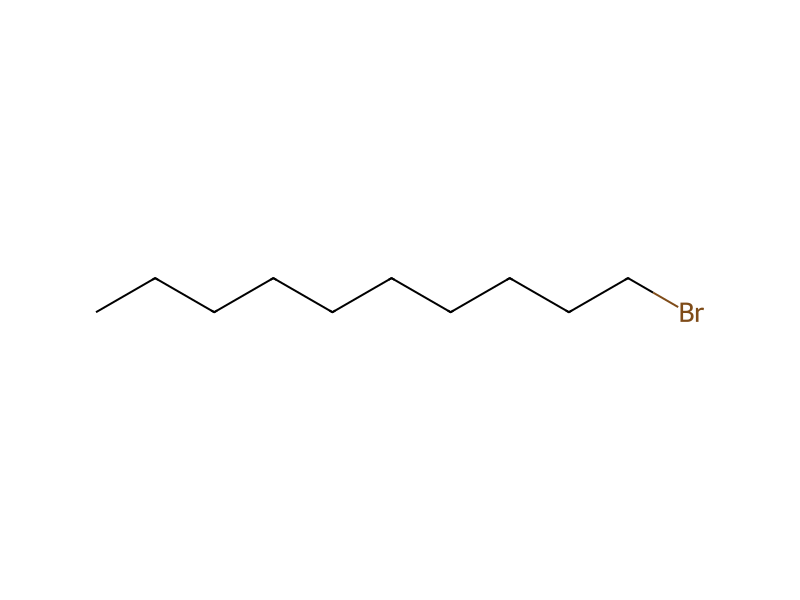
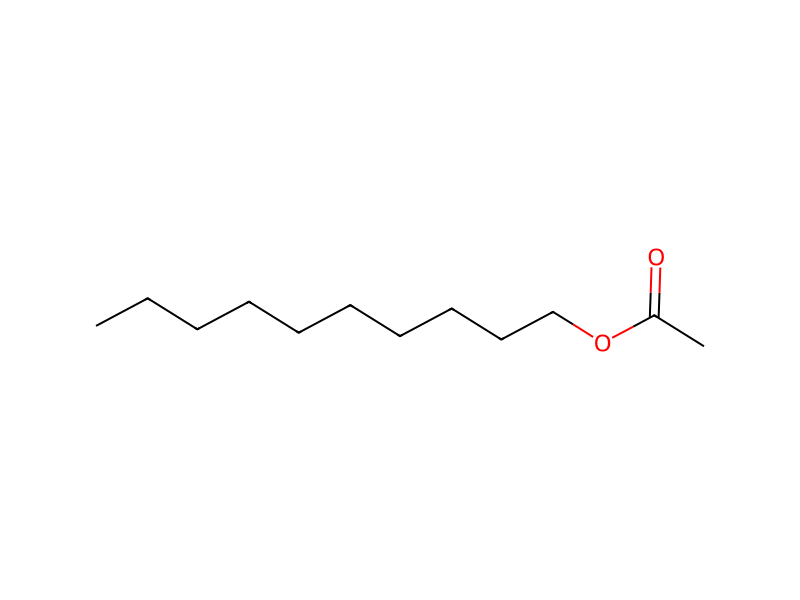
1-Bromodecane → Decyl acetate

HRID 1730381
Print

Reaction equation

Br[CH2:2][CH2:3][CH2:4][CH2:5][CH2:6][CH2:7][CH2:8][CH2:9][CH2:10][CH3:11].O.O.O.[C:15]([O-:18])(=[O:17])[CH3:16].[Na+].C=CCCCCCCCC.[Cl-].C(C([NH3+])(C(=O)CCCCCCC)C(=O)CCCCCCC)(=O)CCCCCCC>>[C:15]([O:18][CH2:2][CH2:3][CH2:4][CH2:5][CH2:6][CH2:7][CH2:8][CH2:9][CH2:10][CH3:11])(=[O:17])[CH3:16]
ParticipantsConditionsProcedureWorkupSources & evidenceReaction notes

Participants

5

Reactant 4

HCID 81731-BromodecaneHCID 133811-DeceneHCID 23665404Sodium Acetate TrihydrateHCID 77620884Tricaprylylmethyl ammonium chloride

Product 1

HCID 8167Decyl acetate

Conditions

Temperature
105 °C

Procedure

A reaction mixture containing 55 grams of 1-bromodecane (0.25 mole), 270 grams of sodium acetate trihydrate (1.98 moles) 12.5 ml of 1-decene and 10grams of tricaprylylmethylammonium chloride was heated to 105° C for2 hours with mechanical stirring. The progress of the reaction was followedby periodic sampling and gas liquid partition chromatography analysis of the organic layer. The reaction forming decyl acetate was essentially complete after 1 hour. A plot of the data showed reasonably good first-order kinetics.

Workup

  1. aliquotfollowedby periodic sampling
  2. customgas liquid partition chromatography analysis of the organic layer

Sources & evidence

ORD record
ord-56651604649d4ab28d78dfd6e14c4c57
Source dataset
uspto-grants-1976_11
DOI
10.6084/m9.figshare.5104873.v1
Patent number
US03992432

Reaction notes

On this pageParticipantsConditionsProcedureWorkupSources & evidenceReaction notes