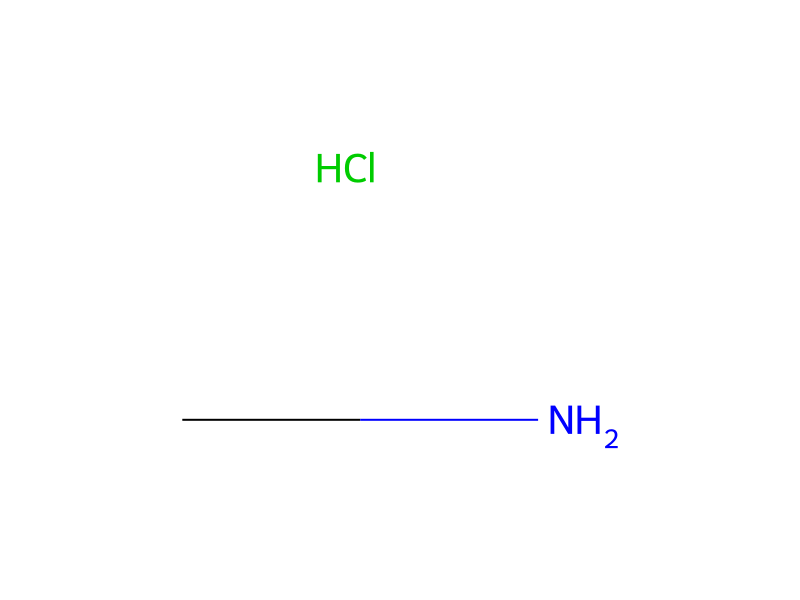
Cl[C:2]1[O:3][C:4]2[C:5](=[C:7]([C:19]#[N:20])[C:8]([CH3:18])=[C:9]([C:12]3[CH:17]=[CH:16][CH:15]=[CH:14][CH:13]=3)[C:10]=2[F:11])[N:6]=1.Cl.CN.[CH2:24]([N:26](CC)[CH2:27][CH3:28])[CH3:25].C(=O)([O-])O.[Na+]>ClCCl>[CH2:24]([N:26]([CH2:27][CH3:28])[C:2]1[O:3][C:4]2[C:5](=[C:7]([C:19]#[N:20])[C:8]([CH3:18])=[C:9]([C:12]3[CH:17]=[CH:16][CH:15]=[CH:14][CH:13]=3)[C:10]=2[F:11])[N:6]=1)[CH3:25]2-Chloro-7-fluoro-5-methyl-6-phenyl-1,3-benzoxazole-4-cabonitrile (I-130) (100 mg, 0.35 mmol) was dissolved in dichloromethane (5 ml) in a sealed tube, then methylamine hydrochloride (26 mg, 0.38 mmol) and triethylamine (122 μl, 0.87 mmol) were successively added. The reaction system was heated at 45° C. for 3 hours. After cooling to room temperature, the reaction liquid was fractionated with dichloromethane and an aqueous saturated sodium hydrogencarbonate solution. The aqueous layer was separated, this was extracted twice with dichloromethane. The organic layers were combined, washed with saturated brine, then dried over anhydrous sodium sulfate. The insoluble matter was separated by filtration, the solvent was evaporated away, and the resulting residue was purified by preparative TLC (eluent, chloroform) to obtain the entitled compound (80 mg, 82%) as a white solid.
Loading…