HomeMCPWorkbenchSkills
HomeWorkbenchNotificationsMe
llms.txt · MCP GuidePrivacy Policy · Terms of Service · Supportv1.8.3
  1. Home
  2. /Reaction

Acetonitrile → 3-Chloro-4-hydroxybenzoic acid [2-(2-methacryloyloxyethoxy)ethyl]ester

HRID 1741803
Print

Reaction equation

HRID 1741803 reaction equation
C(#N)C.[OH:4][CH2:5][CH2:6][O:7][CH2:8][CH2:9][O:10][C:11](=[O:20])[C:12]1[CH:17]=[CH:16][C:15]([OH:18])=[C:14]([Cl:19])[CH:13]=1.[C:21](Cl)(=[O:25])[C:22]([CH3:24])=[CH2:23]>CN1CCCC1=O>[C:21]([O:4][CH2:5][CH2:6][O:7][CH2:8][CH2:9][O:10][C:11](=[O:20])[C:12]1[CH:17]=[CH:16][C:15]([OH:18])=[C:14]([Cl:19])[CH:13]=1)(=[O:25])[C:22]([CH3:24])=[CH2:23]
ParticipantsProcedureWorkupSources & evidenceReaction notes

Participants

5

Reactant 3

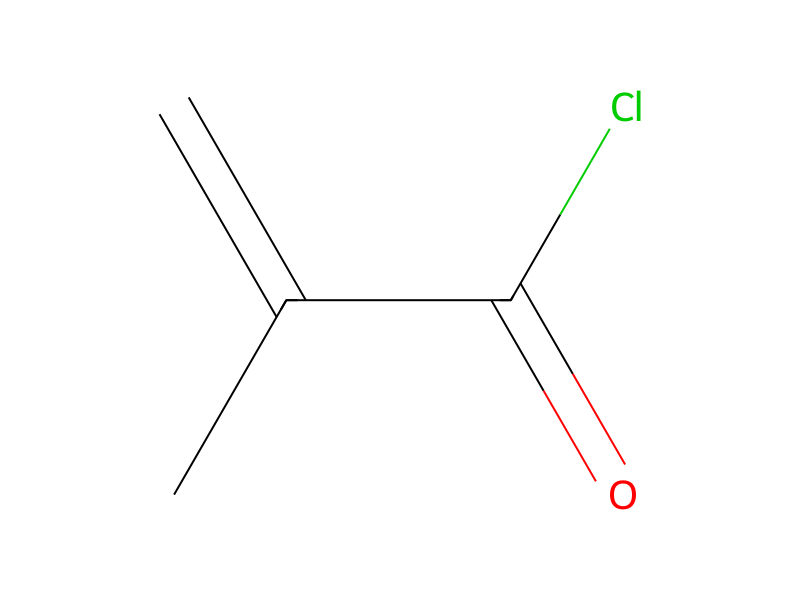
HCID 6342AcetonitrileHCID 13528Methacryloyl chlorideHCID 17142362-(2-Hydroxyethoxy)ethyl 3-chloro-4-hydroxybenzoate

Product 1

HCID 152187233-Chloro-4-hydroxybenzoic acid [2-(2-methacryloyloxyethoxy)ethyl]ester

Reagents, catalysts & solvents 1

HCID 13387N-methyl-2-pyrrolidoneSolvent

Procedure

A 500-ml eggplant type flask was charged with 50 g of 3-chloro-4-hydroxybenzoic acid methyl ester, 285 g of diethyleneglycol and further with 2.5 g of PTS (p-toluenesulfonic acid monohydrate) as a catalyst to form a mixture. The mixture was heated with stirring on an oil bath, externally regulated at a temperature of 150° C., to react the mixture for 5 hours. Thereafter, excess diethylene glycol therein was removed by means of vacuum distillation. The residue therein was poured into ice water and the precipitated crystals were recrystallized using benzene/ethanol to obtain 49 g of 3-chloro-4-hydroxybenzoic acid [2-(2-hydroxyethoxy)ethyl]-ester (melting point: 77.5° to 78° C.). To 100 ml of an acetonitrile solution containing 30 g of the 3-chloro-4-hydroxybenzoic acid [2-(2-hydroxyethoxy)ethyl]ester, 57.2 g of N-methylpyrrolidone and further 36 g of methacrylic acid chloride were added with stirring to form a solution. The solution was stirred for 8 hours at 40° C. to react the solution. Thereafter, excess methacrylic acid chloride was removed by means of vacuum distillation. The reaction mixture remaining therein was poured into ice water, and the precipitated crystals were obtained by filtration. The crystals were recrystallized with ethyl acetate/n-hexane to obtain 3-chloro-4-hydroxybenzoic acid [2-(2-methacryloyloxyethoxy)ethyl]ester (melting point: 57° to 58.5° C.).


Workup

  1. additionwere added
  2. customto form a solution
  3. stirringThe solution was stirred for 8 hours at 40° C.
  4. customto react the solution
  5. customThereafter, excess methacrylic acid chloride was removed by means of vacuum distillation
  6. additionThe reaction mixture remaining therein was poured into ice water
  7. customthe precipitated crystals were obtained by filtration
  8. customThe crystals were recrystallized with ethyl acetate/n-hexane

Sources & evidence

ORD record
ord-b4ce44bb5f754db4a3abe7505e36f1de
Source dataset
uspto-grants-1994_08
DOI
10.6084/m9.figshare.5104873.v1
Patent number
US05334749

Reaction notes

On this pageParticipantsProcedureWorkupSources & evidenceReaction notes