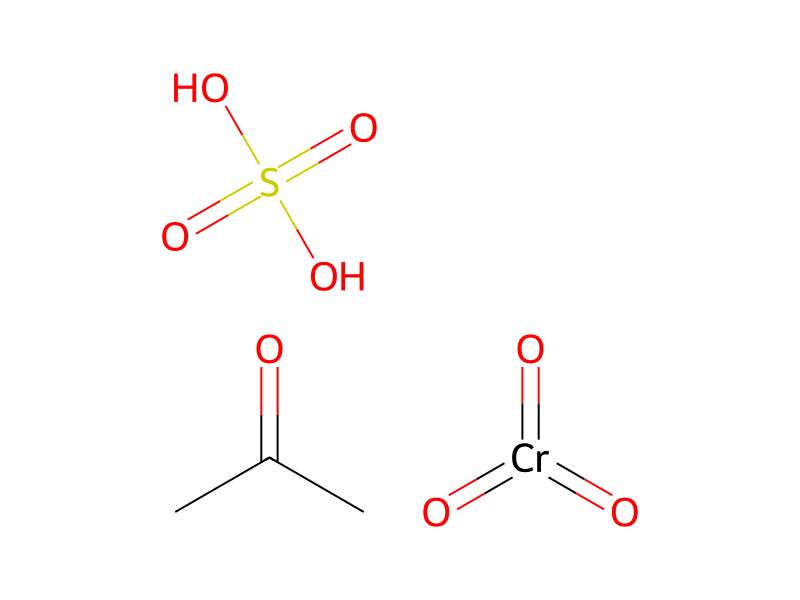
Dissolved in 50 ml of chloroform were 5.0 g (57.5 mmol) of n-butylaldoxime and 0.3 ml of pyridine, to which 7.6 g (57.1 mmol) of N-chlorosuccinimide were added in small portions while the internal temperature was controlled not to exceed 35° C. After the addition, the resultant mixture was stirred at room temperature for 1 hour. To the solution, 6.0 g (71.4 mmol) of 1-pentyn-3-ol and 5.9 g (58.4 mmol) of triethylamine were added. The stirring was continued for 2 hours at 40°-50° C. After the solvent was distilled off under reduced pressure, water was added and the reaction product was then extracted with diethyl ether. After concentration, the residue was purified by silica gel chromatography (eluent: chloroform) so that 3-propyl-5-(1-hydroxypropyl)isoxazole was obtained. It was dissolved in acetone, oxidized with Jones' reagent under ice cooling, and purified by silica gel chromatography (eluent: chloroform) , so that 3 -propyl-5-propionylisoxazole was obtained as colorless oil. Analytical results of the oil obtained: Yield: 6.9 g (72%).