HomeMCPSkillsWorkbenchOpenChem
HomeWorkbenchNotificationsMe
llms.txt · skill.md · MCP GuidePrivacy Policy · Terms of Service · Supportv1.8.5
  1. Home
  2. /Reaction

Hydrochloric Acid → 4-(5-Amino-3-methylpyridin-2-yl)cyclohex-3-en-1-ol

HRID 1748533
Print

Reaction equation

Br[C:2]1[CH:3]=[C:4]([CH3:22])[C:5]([C:8]2[CH2:13][CH2:12][CH:11]([O:14][Si](C(C)(C)C)(C)C)[CH2:10][CH:9]=2)=[N:6][CH:7]=1.C(=[NH:36])(C1C=CC=CC=1)C1C=CC=CC=1.CC(C)([O-])C.[Na+].Cl>C1(C)C=CC=CC=1.C([O-])(=O)C.[Pd+2].C([O-])(=O)C.C1(P(C2C=CC=CC=2)C2C=CC3C(=CC=CC=3)C=2C2C3C(=CC=CC=3)C=CC=2P(C2C=CC=CC=2)C2C=CC=CC=2)C=CC=CC=1.C(OCC)C.O>[NH2:36][C:2]1[CH:3]=[C:4]([CH3:22])[C:5]([C:8]2[CH2:13][CH2:12][CH:11]([OH:14])[CH2:10][CH:9]=2)=[N:6][CH:7]=1
ParticipantsProcedureWorkupSources & evidenceReaction notes

Participants

10

Reactant 4

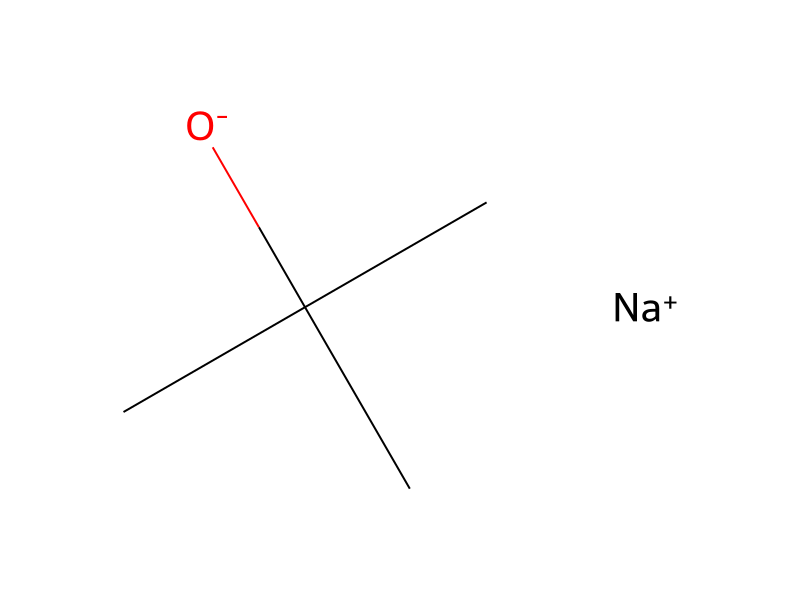
HCID 313Hydrochloric AcidHCID 136809Benzophenone imineHCID 23676156Sodium t-butoxideHCID 866924835-Bromo-2-(4-{[tert-butyl(dimethyl)silyl]oxy}cyclohex-1-en-1-yl)-3-methylpyridine

Product 1

HCID 866924844-(5-Amino-3-methylpyridin-2-yl)cyclohex-3-en-1-olYield 84.4%

Reagents, catalysts & solvents 5

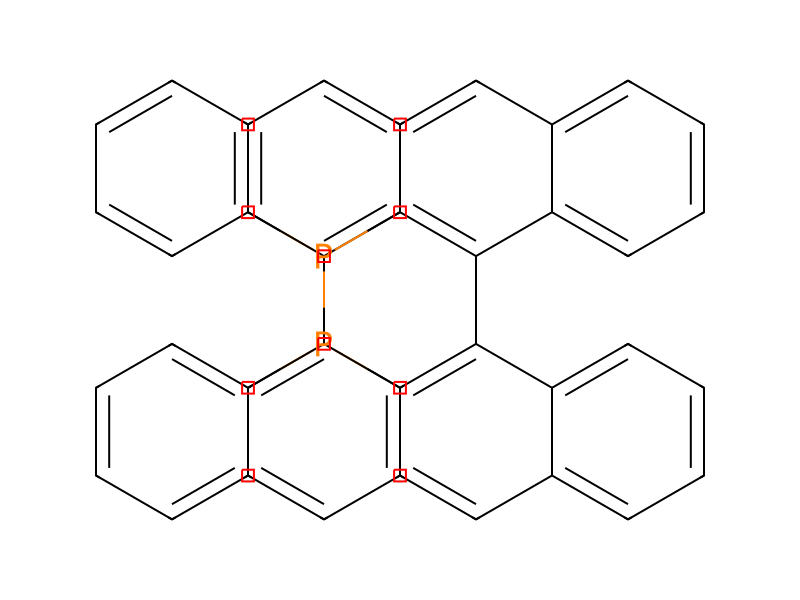
HCID 167845palladium(II) acetateCatalystHCID 634876Binap, (A+-)-CatalystHCID 962WaterSolventHCID 1140TolueneSolventHCID 3283Diethyl EtherSolvent

Procedure

A suspension of 5-bromo-2-(4-{[tert-butyl(dimethyl)silyl]oxy}cyclohex-1-en-1-yl)-3-methylpyridine (5.59 g) of Reference Example 110(1), benzophenonimine (2.77 g), palladium acetate (41 mg), (±)-2,2′-bis(diphenylphosphino)-1,1′-binaphthyl (114 mg) and sodium tert-butoxide (2.1 g) in toluene (30 ml) was stirred under reflux for two hours. After completion of the reaction, the reaction solution was left stand, concentrated hydrochloric acid (20 ml) and water (60 ml) were added and stirred at room temperature for two hours. Then, diethyl ether was added and extracted with 1N hydrochloric acid aqueous solution. The resulting aqueous layer was cooled with ice, adjusted to pH>10 by the addition of 4N aqueous solution of sodium hydroxide and extracted with chloroform. The organic layer was dried over anhydrous sodium sulfate and concentrated to give the titled compound (2.52 g) as a yellow solid.

Workup

  1. temperatureunder reflux for two hours
  2. customAfter completion of the reaction
  3. additionwere added
  4. stirringstirred at room temperature for two hours
  5. extractionextracted with 1N hydrochloric acid aqueous solution
  6. temperatureThe resulting aqueous layer was cooled with ice
  7. additionadjusted to pH>10 by the addition of 4N aqueous solution of sodium hydroxide
  8. extractionextracted with chloroform
  9. dry with materialThe organic layer was dried over anhydrous sodium sulfate
  10. concentrationconcentrated

Sources & evidence

ORD record
ord-f6c6e4fc55474f1cb5540333b67acafc
Source dataset
uspto-grants-2015_10
DOI
10.6084/m9.figshare.5104873.v1
Patent number
US09150555B2

Reaction notes

On this pageParticipantsProcedureWorkupSources & evidenceReaction notes