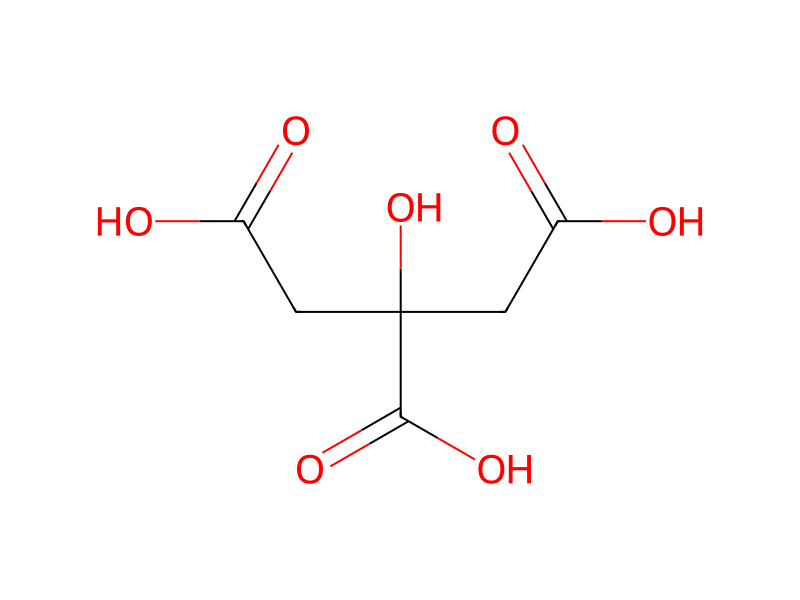
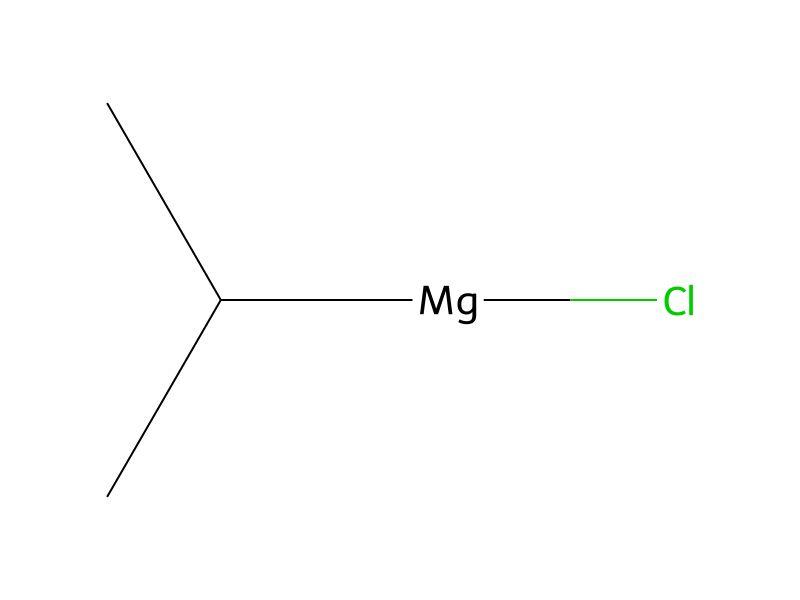
A solution of 1,4-dibromo-2,5-dimethylbenzene (5.0 g, 18.94 mmol, Aldrich) in anhydrous THF (20 mL) was cooled to about −10° C. Isopropyl magnesium chloride (3.95 mL, 2.0 M in THF, 7.9 mmol) was added. The mixture was allowed to stir at about −10° C. for about 0.25 h. Next n-butyl lithium (6.31 mL, 2.5 M in hexanes, 15.8 mmol) was added dropwise keeping the temperature at or below about 0° C. Once the addition was complete the reaction was stirred at about −10° C. for about 1 h. Next a solution of DMF in 10 mL anhydrous THF (20.52 mmol) was added dropwise keeping the temperature at or below about 0° C. The reaction was stirred at ambient temperature for about 3 hours. The reaction was poured into about 50 mL of about 5 M aqueous citric acid solution (exothermic) and stirred at room temperature for about 10 minutes. The layers were separated and the aqueous layer was extracted once with toluene (50 mL). The combined organic layers were washed with water (20 mL), then concentrated in vacuo. The residue was purified by column chromatography (SiO2, diethyl ether/petroleum ether 5:95) to give 4-bromo-2,5-dimethylbenzaldehyde (3.66 g, 17.18 mmol, 91%) as a pale crystalline solid: 1H-NMR (CDCl3, Bruker 400 MHz) δ 2.43 (3 H, s); 2.60 (3 H, s); 7.47 (1 H, s); 7.63 (1 H, s) 10.2 (1 H, s).