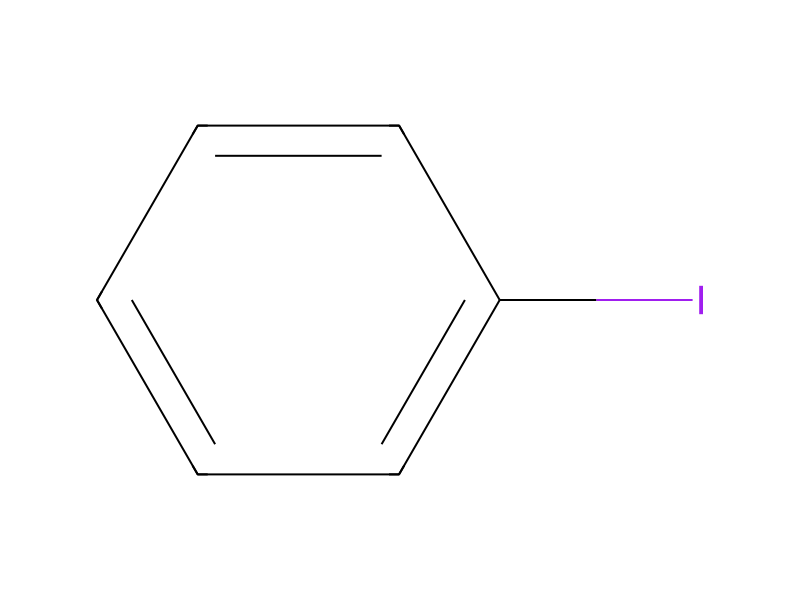
[Br:1][C:2]1[CH:14]=[CH:13][C:12]2[C:11]3[C:6](=[CH:7][C:8]([Br:15])=[CH:9][CH:10]=3)[NH:5][C:4]=2[CH:3]=1.I[C:17]1[CH:22]=[CH:21][CH:20]=[CH:19][CH:18]=1.C(=O)([O-])[O-].[K+].[K+]>[Cu].CN(C)C=O>[Br:1][C:2]1[CH:14]=[CH:13][C:12]2[C:11]3[C:6](=[CH:7][C:8]([Br:15])=[CH:9][CH:10]=3)[N:5]([C:17]3[CH:22]=[CH:21][CH:20]=[CH:19][CH:18]=3)[C:4]=2[CH:3]=1A mixture of 32.5 g (100 mmole) 2,7-dibromo-9H-carbazole, 20.4 g (100 mmole) iodobenzene, 9.5 g (150 mmole) of copper powder, 27.6 g (200 mmole) of potassium carbonate, and 600 ml dimethylformamide were heated at 130° C. under nitrogen overnight, then cooled to room temperature, the solution was filtered. The filtrate was extracted three times with dichloromethane and water, dried with anhydrous magnesium sulfate, the solvent was evaporated in vacuum. The residue was purified by column chromatography on silica(hexane-dichloromethane) afforded a white solid (31.3 g, 78 mmol, 78%).
Loading…