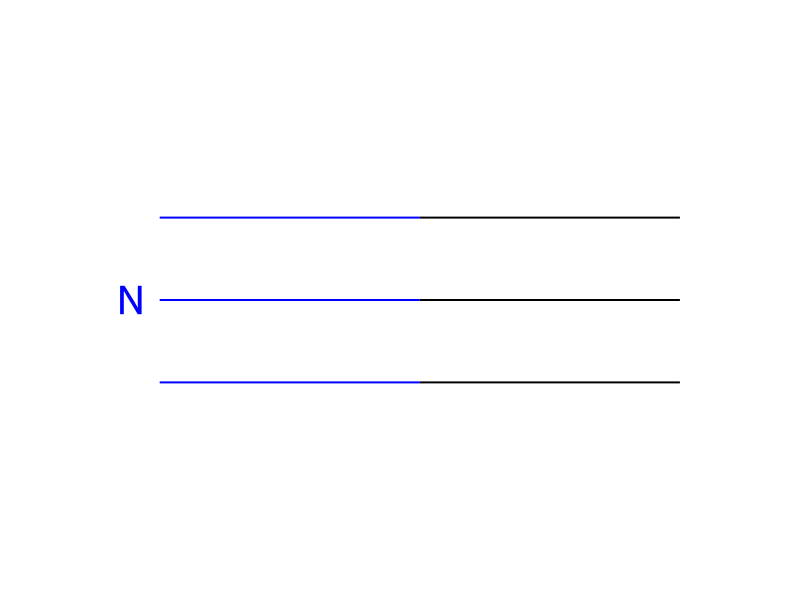
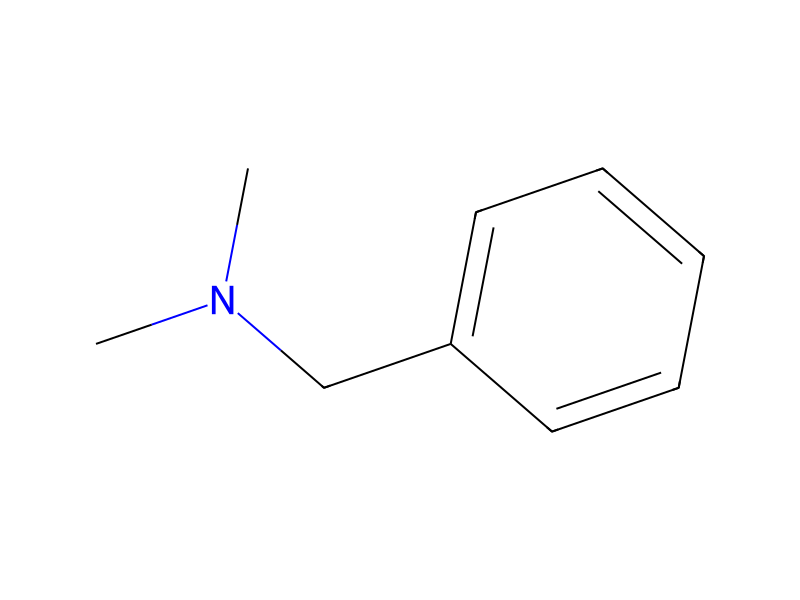
50 ml of hydrogen cyanide, dissolved in 150 ml of methylene chloride, are added dropwise at -10° C. to -20° C. to a solution of 275 g of p-trichloromethylbenzoyl chloride and 2 g of dimethylbenzylamine in 1.5 l of methylene chloride. Subsequently, a solution of 60 g of potassium cyanide in 120 ml of water is slowly added dropwise at the same temperature and, finally, the mixture is stirred for a further two hours. The solids which have precipitated are filtered off with suction, the phases are separated and the organic phase is washed several times with water, dried over Na2SO4 and concentrated. A little ether is added to the remaining oily residue, whereupon 52 g (20%) of dimeric p-trichloromethylbenzoyl cyanide crystallize out, and the crystals are filtered off with suction. 127 g (48% of theoretical) of p-trichloromethylbenzoyl cyanide can be obtained from the filtrate by vacuum distillation.