Reaction equation

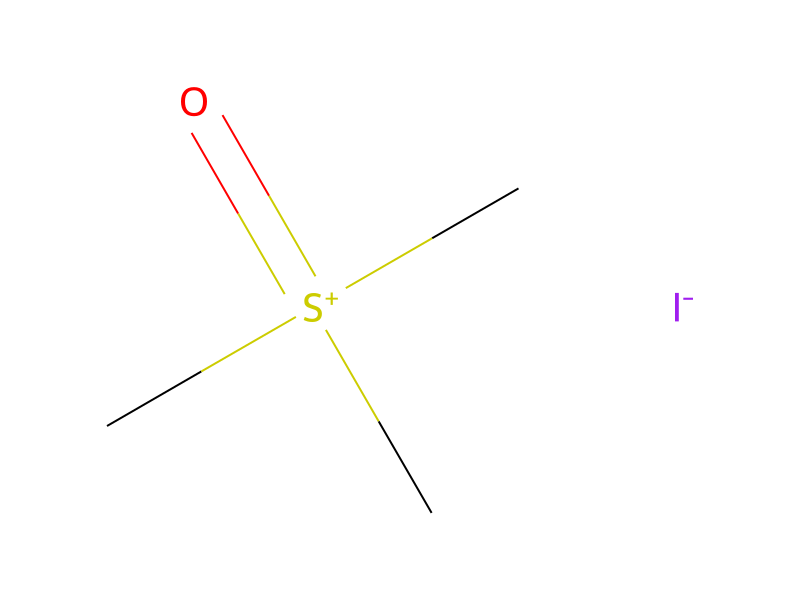
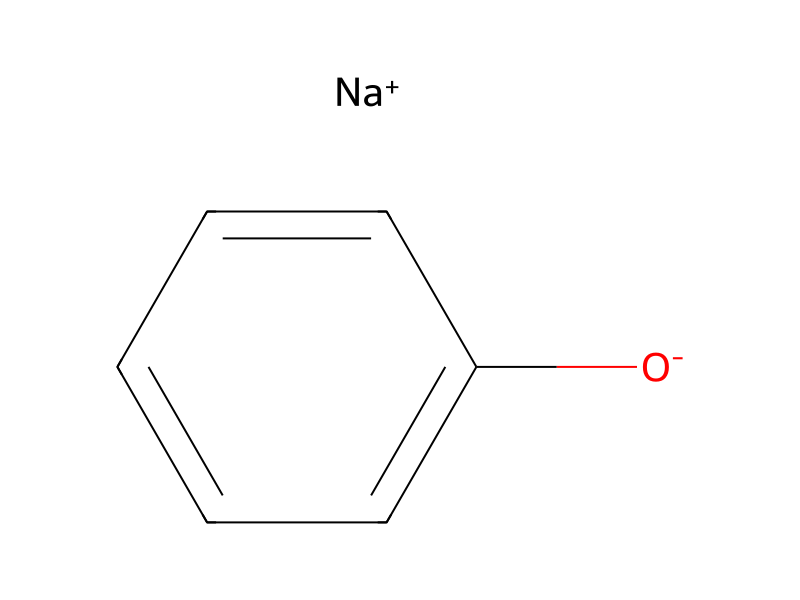
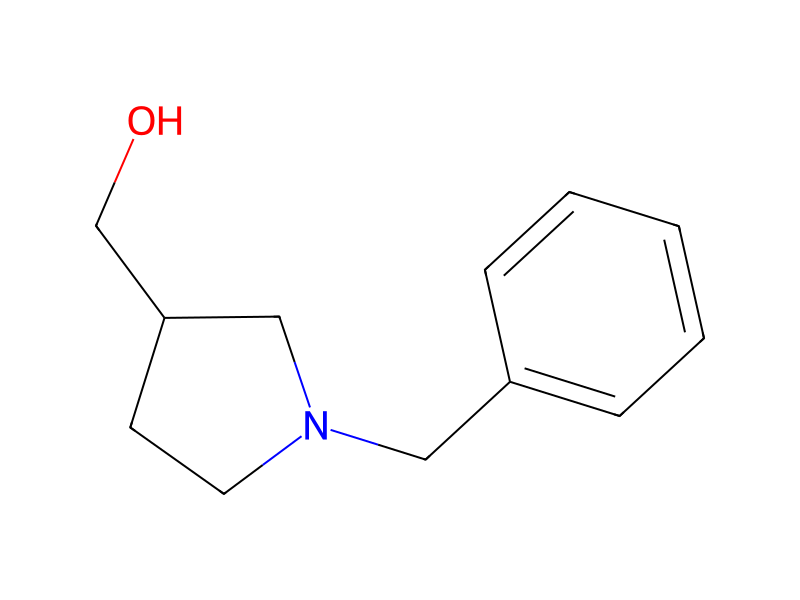
[C:1]1([CH2:7][N:8]2[CH2:12][CH2:11][CH:10]([CH2:13][OH:14])[CH2:9]2)[CH:6]=[CH:5][CH:4]=[CH:3][CH:2]=1.[Cr](Cl)([O-])(=O)=O.[NH+]1[CH:25]=[CH:24]C=CC=1.CS(C)(=O)=C.[I-].C[S+](C)(C)=[O:34].[H-].[Na+].[O-:39][C:40]1[CH:45]=[CH:44][CH:43]=[CH:42][CH:41]=1.[Na+]>>[C:1]1([CH2:7][N:8]2[CH2:12][CH2:11][CH:10]([CH:13]=[O:14])[CH2:9]2)[CH:2]=[CH:3][CH:4]=[CH:5][CH:6]=1.[C:1]1([CH2:7][N:8]2[CH2:9][CH2:10][CH2:11][CH:12]2[CH:24]([CH2:25][O:39][C:40]2[CH:45]=[CH:44][CH:43]=[CH:42][CH:41]=2)[OH:34])[CH:2]=[CH:3][CH:4]=[CH:5][CH:6]=1Participants
8
Reactant 6



Product 2


Procedure
1-Phenylmethyl-3-formylpyrrolidine is prepared from 1-phenylmethyl-3-hydroxymethyl pyrrolidine (source: method of U.S. Pat. No. 3,318,908) by reacting it with pyridinium chlorochromate and converted to the corresponding 3-epoxide using dimethyloxosulfonium methylide obtained by mixing trimethylsulfoxonium iodide and sodium hydride in aprotic solvent. The epoxide is reacted with sodium phenoxide and the reaction mixture is acidified to give 1-phenylmethyl-α-phenoxymethyl-2-pyrrolidinemethanol which is hydrogenated over palladium on carbon to give the free base of the title compound. The free base is converted to the hydrochloride salt as in Example 38.
Workup
- customobtained
Sources & evidence
- ORD record
- ord-00ddace851d442d699fafbac4cf28083
- Source dataset
- uspto-grants-1989_05
- Patent number
- US04835164
Linked notes
Loading…