Ammonium Hydroxide → 1-(1H-Benzimidazol-2-yl)ethanone
Reaction equation

[NH:1]1[C:5]2[CH:6]=[CH:7][CH:8]=[CH:9][C:4]=2[N:3]=[C:2]1[CH:10]([OH:12])[CH3:11].[Cr](O[Cr]([O-])(=O)=O)([O-])(=O)=O.[K+].[K+].[NH4+].[OH-]>OS(O)(=O)=O>[NH:1]1[C:5]2[CH:6]=[CH:7][CH:8]=[CH:9][C:4]=2[N:3]=[C:2]1[C:10](=[O:12])[CH3:11]Participants
5
Reactant 3

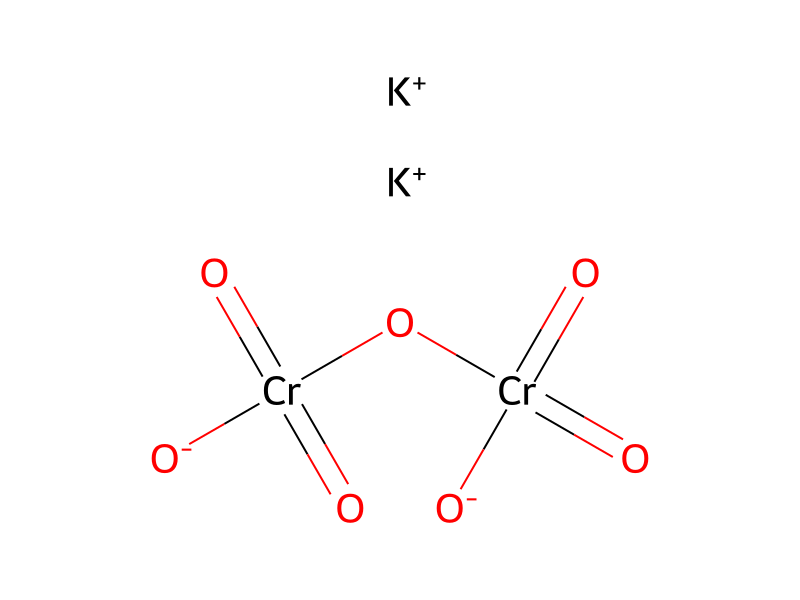

Product 1

Reagents, catalysts & solvents 1

Procedure
A solution of 16.2 g (0.1 mol) 1-(1H-benzimidazol-2-yl)ethanol (synthesised according to as described in A. Katrizky et al. Tetrahedron Assymetry, 8 (1997), 1491) in 200 ml 5% H2SO4 was treated with a solution of 39.6 g (75.5 mmol) potassium dichromate in 40% sulphuric acid. The reaction mixture was stirred at room temperature for 18 hours and neutralised with 190 ml conc. NH4OH. The formed precipitate was filtered, washed with 700 ml water and extracted with 700 ml 96% ethanol. The solvent was evaporated to c.a. 50–80 ml, the formed suspension cooled to −40° C., stirred for 10 min and filtered while cold. The solid was washed with 2×10 ml cold ethanol and dried under reduced pressure. Yield—9.3 g (58.1%). 1H NMR (250 MHz, CDCl3), δ, ppm: 2.84 (s, 3H), 7.38 (m, 2H), 7.56 (d, JHH=7.3 Hz, 1H), 7.89 (d, JHH=7.6 Hz, 1H), 11.08 (br.s 1H).