HomeMCPSkillsWorkbenchOpenChem
HomeWorkbenchNotificationsMe
llms.txt · skill.md · MCP GuidePrivacy Policy · Terms of Service · Supportv1.8.5
  1. Home
  2. /Reaction

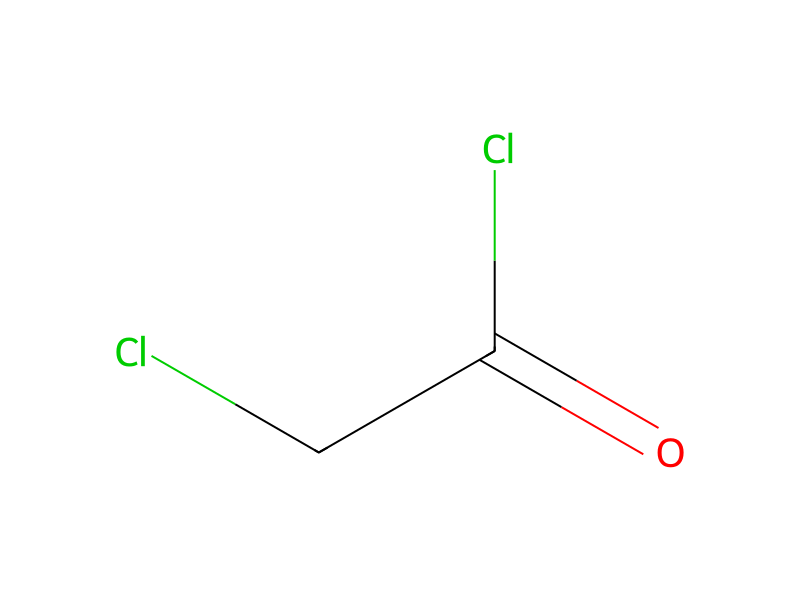
Chloroacetyl chloride → (2S,5S)-1-(2-Chloroacetyl)-5-ethynyl-pyrrolidine-2-carboxylic acid

HRID 1774478
Print

Reaction equation

C[O:2][C:3]([C@@H:5]1[CH2:9][CH2:8][C@@H:7]([C:10]#[C:11][Si](C)(C)C)[NH:6]1)=[O:4].O[Li].O.[Cl:19][CH2:20][C:21](Cl)=[O:22]>O1CCCC1>[Cl:19][CH2:20][C:21]([N:6]1[C@H:7]([C:10]#[CH:11])[CH2:8][CH2:9][C@H:5]1[C:3]([OH:2])=[O:4])=[O:22]
ParticipantsConditionsProcedureWorkupSources & evidenceReaction notes

Participants

5

Reactant 3

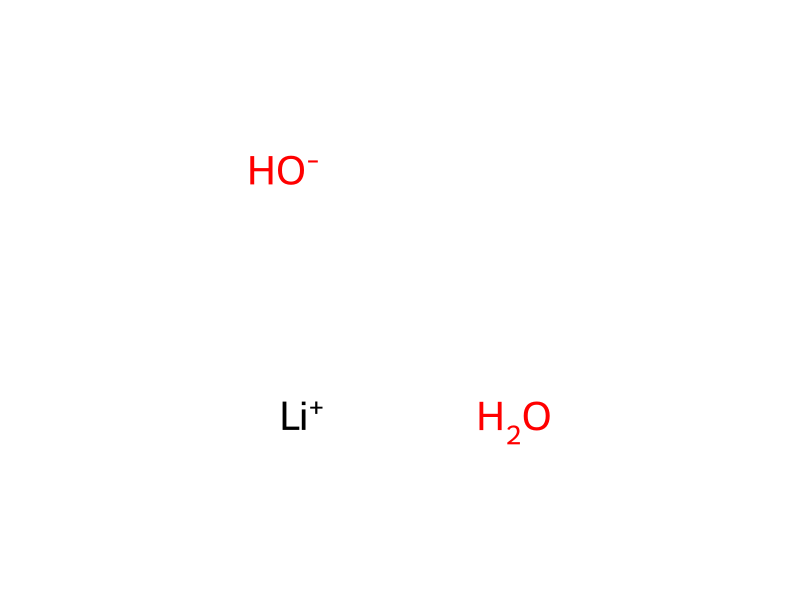
HCID 6577Chloroacetyl chlorideHCID 168937Lithium hydroxide, monohydrateHCID 16090840(2S,5S)-5-Trimethylsilanylethynyl-pyrrolidine-2-carboxylic acid methyl ester

Product 1

HCID 86618968(2S,5S)-1-(2-Chloroacetyl)-5-ethynyl-pyrrolidine-2-carboxylic acidYield 86.3%

Reagents, catalysts & solvents 1

HCID 8028
Tetrahydrofuran
Solvent

Conditions

Temperature
0 °C

Procedure

A solution of the product from Example 19 (11.9 kg total, 308.1 g active, 1.37 mol) was concentrated to about 1240 grams and transferred to a 5-L flask. Tetrahydrofuran (1800 mL) was added and the mixture was cooled to less than 10° C. LiOH—H2O (127 g, 3.03 mol) was added over 5 minutes. After 1 hour the mixture was cooled to 0° C. and chloroacetyl chloride (339.8 g, 3.01 mol) was added over about 60 minutes. After 1.5 hours, the reaction was quenched by the addition of a 1/9 mixture of 6 M HCl and 25% aq NaCl (1.8 kg) and isopropyl acetate (1.9 L). The layers were separated and the organic layer was washed with a 1/9 mixture of 6 M HCl and 25% aq NaCl (1.1 kg). The combined aqueous layers were extracted with isopropyl acetate (2×2 L). The combined organic layers were concentrated several times from isopropyl acetate to dry and then to about 800 grams total weight. Solids had come out of solution during the concentration. Heptane (200 mL) was added slowly, causing more solid to precipitate. After stirring for 2-3 h, the mixture was filtered and the solids were washed with 1:1 isopropyl acetate/heptane (250 mL) and dried at 40° C. in a vacuum oven to give 255 g (86% yield) of white solid. The 1H NMR spectrum of the product exhibited 2 rotomers. Rotomer (a) was the major rotomer and rotomer (U) was the minor rotomer. 1H NMR (400 MHz, DMSO-d6) δ ppm 1.78-2.07 (m, 2H) 2.08-2.30 (m, 2H) rotomer b: 3.13 (d, J=2.20 Hz, 1H) rotomer a: 3.46 (d, J=2.20 Hz, 1H) rotomer b: 4.09 (d, J=14.13 Hz, 1H) rotomer a: 4.32 (d, J=14.41 Hz, 1H) 4.21 (t, J=741 Hz, 7H) rotomer b; 4.40 (d, J=14.00 Hz, 1H) rotomer a: 4.59 (d, J=14.27 Hz, 1H) rotomer b; 4.61-467 (m, 1H) rotomer a: 4.77-4.85 (m, 1H) 12.53-12.85 (m, 1H)

Workup

  1. customtransferred to a 5-L flask
  2. temperaturethe mixture was cooled to less than 10° C
  3. customthe reaction was quenched by the addition of a 1/9 mixture of 6 M HCl and 25% aq NaCl (1.8 kg) and isopropyl acetate (1.9 L)
  4. customThe layers were separated
  5. washthe organic layer was washed with a 1/9 mixture of 6 M HCl and 25% aq NaCl (1.1 kg)
  6. extractionThe combined aqueous layers were extracted with isopropyl acetate (2×2 L)
  7. concentrationThe combined organic layers were concentrated several times from isopropyl acetate
  8. customto dry
  9. concentrationSolids had come out of solution during the concentration
  10. additionHeptane (200 mL) was added slowly
  11. customto precipitate
  12. filtrationthe mixture was filtered
  13. washthe solids were washed with 1:1 isopropyl acetate/heptane (250 mL)
  14. customdried at 40° C. in a vacuum oven

Sources & evidence

ORD record
ord-fba7e8afbed94e00aa6552fed7c14a82
Source dataset
uspto-grants-2016_02
DOI
10.6084/m9.figshare.5104873.v1
Patent number
US09260411B2

Reaction notes

On this pageParticipantsConditionsProcedureWorkupSources & evidenceReaction notes