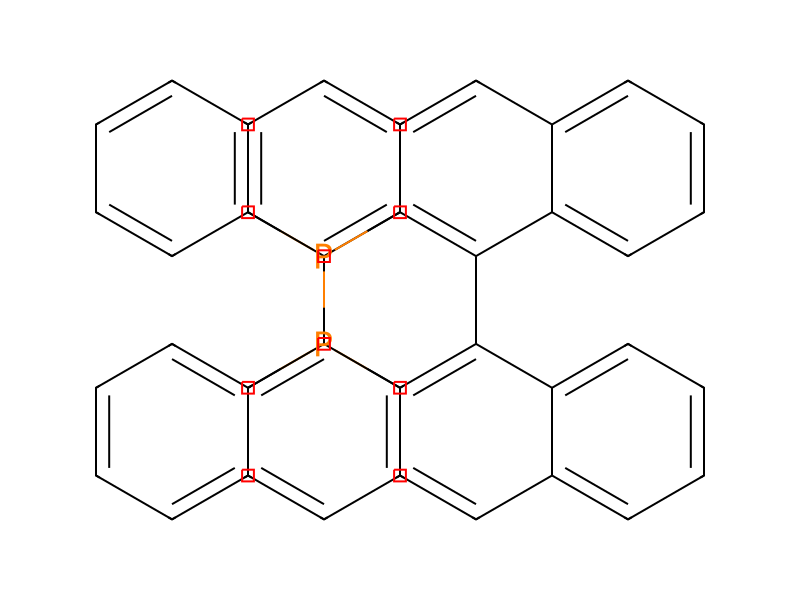
C1C=CC(P(C2C(C3C(P(C4C=CC=CC=4)C4C=CC=CC=4)=CC=C4C=3C=CC=C4)=C3C(C=CC=C3)=CC=2)C2C=CC=CC=2)=CC=1.C(=O)([O-])[O-].[Cs+].[Cs+].Cl[C:54]1[CH:63]=[CH:62][C:61]2[C:56](=[CH:57][CH:58]=[CH:59][CH:60]=2)[N:55]=1.[N:64]1([C:70]([O:72][C:73]([CH3:76])([CH3:75])[CH3:74])=[O:71])[CH2:69][CH2:68][NH:67][CH2:66][CH2:65]1>O1CCOCC1.C(OCC)(=O)C.C([O-])(=O)C.[Pd+2].C([O-])(=O)C>[CH:56]1[C:61]2[C:62](=[CH:57][CH:58]=[CH:59][CH:60]=2)[CH:63]=[C:54]([N:67]2[CH2:66][CH2:65][N:64]([C:70]([O:72][C:73]([CH3:76])([CH3:75])[CH3:74])=[O:71])[CH2:69][CH2:68]2)[N:55]=1Palladium acetate (63 mg, 0.8 mmol), BINAP (250 mg, 0.4 mmol) and caesium carbonate (1.3 g, 4 mmol) were suspended in anhydrous 1,4-dioxane (9 ml) under an argon atmosphere and sonicated for 40 minutes. 2-Chloroquinoline (343 mg, 2 mmol) and tert-butyl piperazine-1-carboxylate (373 mg, 2 mmol) were dissolved in anhydrous 1,4-dioxane (3 ml) and the resulting solution was added to the catalyst-containing mixture. The resulting mixture was stirred at 110° C. for three hours, cooled to room temperature and diluted with ethyl acetate. The solids were removed by centrifugation and decantation, the supernatant was evaporated to dryness under reduced pressure and the resulting residue was dissolved in DCM and filtered through a silica column. The product was eluted with a mixture of DCM and diethylether. After removal of the solvent under reduced pressure, 201 mg of a solid were obtained (0.64 mmol, 32%) MS (ESI) m/z=314.2 [M+1]+.