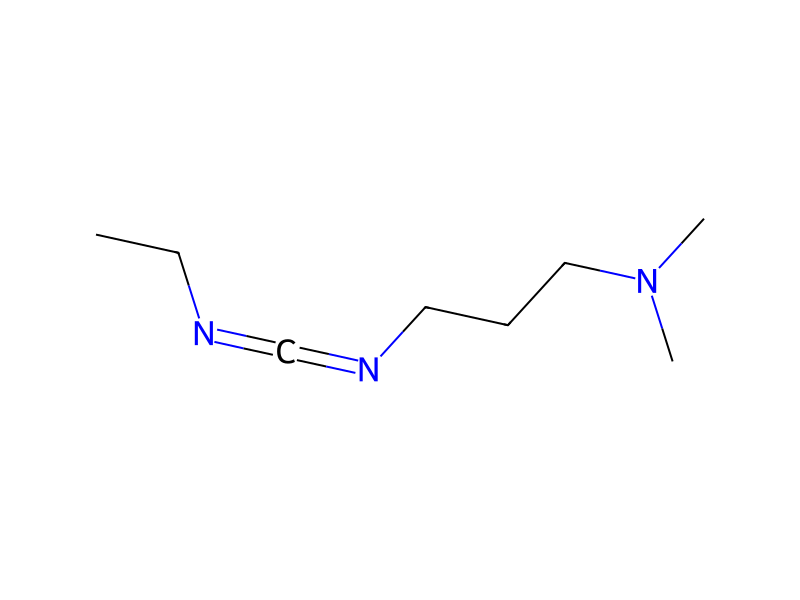
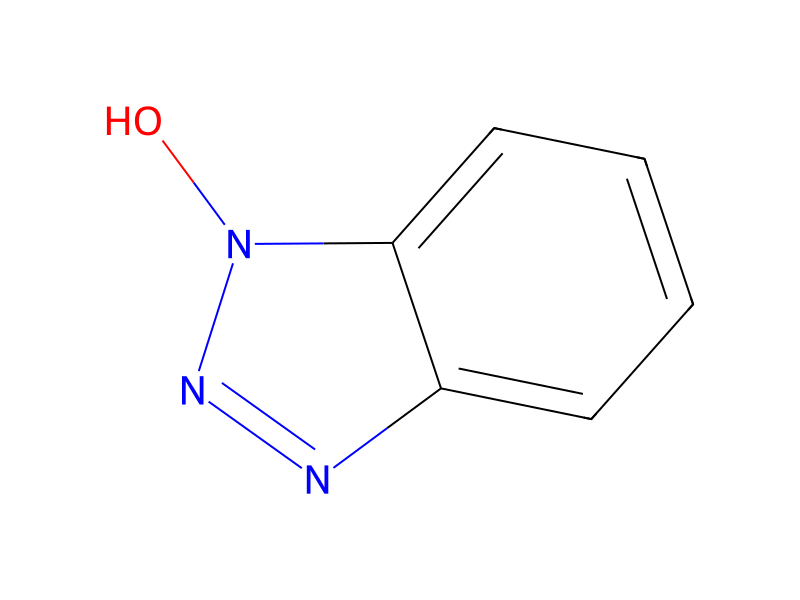
C[C:2]1([CH3:20])[CH2:15][N:14]2[C:5](=NC3C([C:13]2=O)=CC=C(C(O)=O)C=3)[CH2:4][CH2:3]1.[OH:21][NH:22][C:23](=[NH:30])C1C=CC=CN=1.CC[N:33]=C=NCCCN(C)C.C1C=CC2N(O)N=NC=2C=1>CN(C=O)C.O>[CH2:4]1[CH:3]2[CH:2]([C:20]3[O:21][N:22]=[C:23]([NH2:30])[N:33]=3)[CH2:15][N:14]([CH2:13]2)[CH2:5]1A solution of an acid (e.g., 8,8-dimethyl-11-oxo-7,8,9,11-tetrahydro-6H-pyrido[2,1-b]quinazoline-3-carboxylic acid, 1 equiv), N-hydroxypicolinimidamide (1.5 equiv), EDCI (1.5 equiv) and HOBt (1.5 equiv) in DMF was stirred at 80° C. overnight. The reaction was cooled to room temperature, then the reaction mixture was diluted with H2O and extracted with EtOAc. The combined organic layers were washed with brine and dried over Na2SO4. After filtration and concentration, the crude residue was purified by preparative chromatography to give the desired oxadiazole-containing product (e.g., 8,8-dimethyl-3-(3-(pyridin-2-yl)-1,2,4-oxadiazol-5-yl)-6,7,8,9-tetrahydropyrido[2,1-b]quinazolin-11-one).