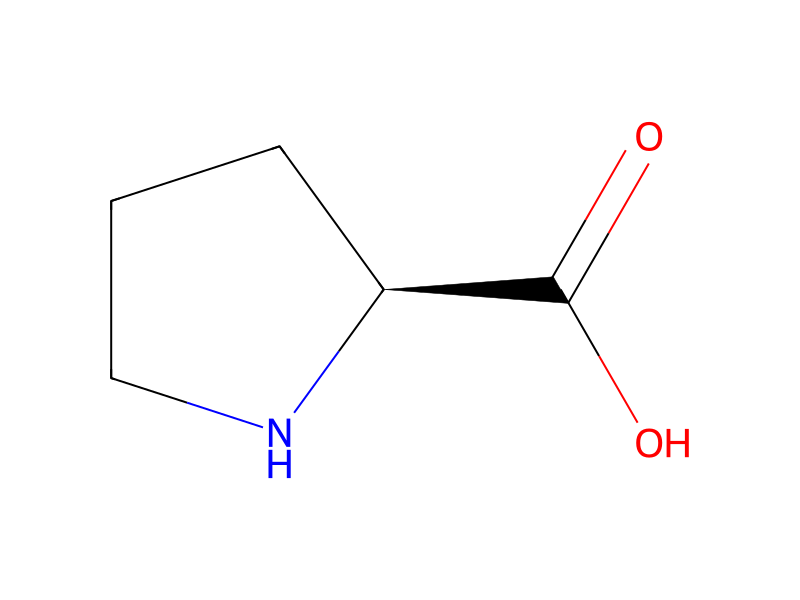
[Cl:1][C:2]1[CH:3]=[C:4]2[C:8](=[CH:9][CH:10]=1)[NH:7][C:6]1[CH2:11][N:12]([CH3:15])[CH2:13][CH2:14][C:5]2=1.N1CCC[C@H]1C(O)=O.[O-]P([O-])([O-])=O.[K+].[K+].[K+].Br[CH:33]=[C:34]([C:36]1[CH:41]=[CH:40][C:39]([Cl:42])=[CH:38][CH:37]=1)[CH3:35]>CN(C=O)C.[Cu]I>[Cl:1][C:2]1[CH:3]=[C:4]2[C:8](=[CH:9][CH:10]=1)[N:7]([CH:33]=[C:34]([C:36]1[CH:41]=[CH:40][C:39]([Cl:42])=[CH:38][CH:37]=1)[CH3:35])[C:6]1[CH2:11][N:12]([CH3:15])[CH2:13][CH2:14][C:5]2=16-chloro-2-methyl-2,3,4,9-tetrahydro-1H-pyrido[3,4-b]indole (79 mg, 0.36 mmol) was dissolved in DMF (5 mL). To this solution was added CuI (6 mg, 0.0362 mmol), L-proline (8 mg, 0.072 mmol), and K3PO4 (154 mg, 0.724 mmol). The reaction mixture was stirred for 10 min at room temperature followed by addition of 1-(1-bromoprop-1-en-2-yl)-4-chlorobenzene (100 mg, 0.434 mmol). The reaction mixture was heated at 80° C. overnight. Solvent was evaporated under reduced pressure, the residue was diluted with brine and extracted with ethyl acetate. Organic layer was dried over Na2SO4, and concentrated under reduced pressure. The crude product was purified by silica gel chromatography to obtain 85 mg of 6-chloro-9-(2-(4-chlorophenyl)prop-1-enyl)-2-methyl-2,3,4,9-tetrahydro-1H-pyrido[3,4-b]indole. 1H NMR (CDCl3) FREE BASE 7.53-7.44 (m, 2H), 7.43-7.38 (m, 2H), 7.18-7.03 (m, 2H), 6.93 (d, 1H), 6.84 (s, 1H), 3.63-3.58 (m, 2H), 3.32-3.26 (m, 1H), 2.88 (s, 3H), 2.83-2.80 (m, 1H), 2.60 (s, 2H), 1.99 (s, 3H).