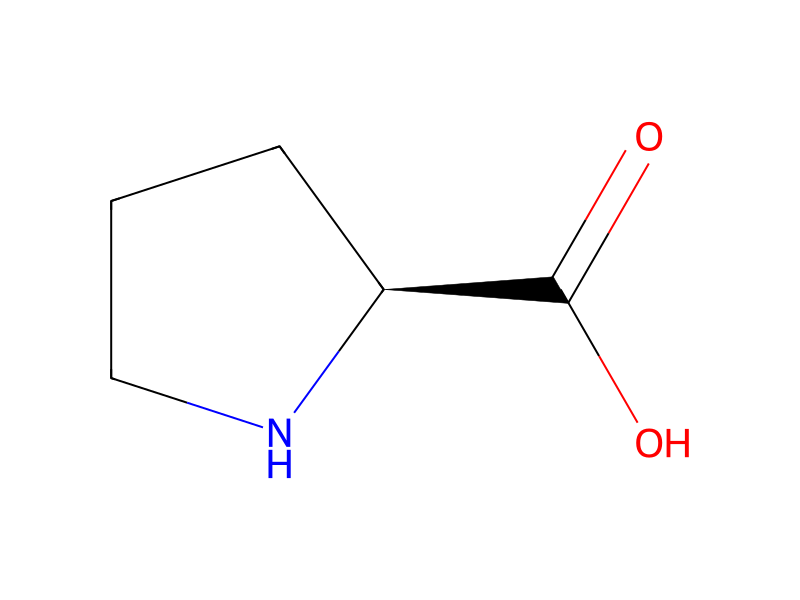
[Cl:1][C:2]1[CH:3]=[C:4]2[C:8](=[CH:9][CH:10]=1)[NH:7][C:6]1[CH:11]([CH2:16][CH3:17])[N:12]([CH3:15])[CH2:13][CH2:14][C:5]2=1.N1CCC[C@H]1C(O)=O.[O-]P([O-])([O-])=O.[K+].[K+].[K+].Br[CH:35]=[C:36]([C:38]1[CH:43]=[CH:42][C:41]([O:44][CH3:45])=[CH:40][CH:39]=1)[CH3:37]>CN(C=O)C.[Cu]I>[Cl:1][C:2]1[CH:3]=[C:4]2[C:8](=[CH:9][CH:10]=1)[N:7]([CH:35]=[C:36]([C:38]1[CH:39]=[CH:40][C:41]([O:44][CH3:45])=[CH:42][CH:43]=1)[CH3:37])[C:6]1[CH:11]([CH2:16][CH3:17])[N:12]([CH3:15])[CH2:13][CH2:14][C:5]2=16-chloro-1-ethyl-2-methyl-2,3,4,9-tetrahydro-1H-pyrido[3,4-b]indole (91 mg, 0.36 mmol) was dissolved in DMF (5 mL). To this solution was added CuI (7 mg, 0.036 mmol), L-proline (8 mg, 0.073 mmol), K3PO4 (156 mg, 0.734 mmol). The reaction mixture was stirred for 10 min at room temperature followed by addition of 1-(1-bromoprop-1-en-2-yl)-4-methoxybenzene (100 mg, 0.44 mmol). The reaction mixture was heated at 80° C. for 18 h. Solvent was evaporated under reduced pressure, the residue was diluted with brine and extracted with ethyl acetate. Organic layer was dried over Na2SO4, and concentrated under reduced pressure. The crude product was purified by silica gel chromatography to obtain 12 mg of 6-chloro-1-ethyl-9-(2-(4-methoxyphenyl)prop-1-enyl)-2-methyl-2,3,4,9-tetrahydro-1H-pyrido[3,4-b]indole. 1H NMR (DMSO) OXALATE SALT 7.60 (m, 3H), 7.18 (s, 2H), 7.05 (s, 1H), 7.0 (d, 2H), 3.80 (s, 3H), 3.70 (m, 1H), 2.90 (m, 4H), 2.70 (m, 3H), 1.80 (m, 5H), 0.95 (t, 3H).