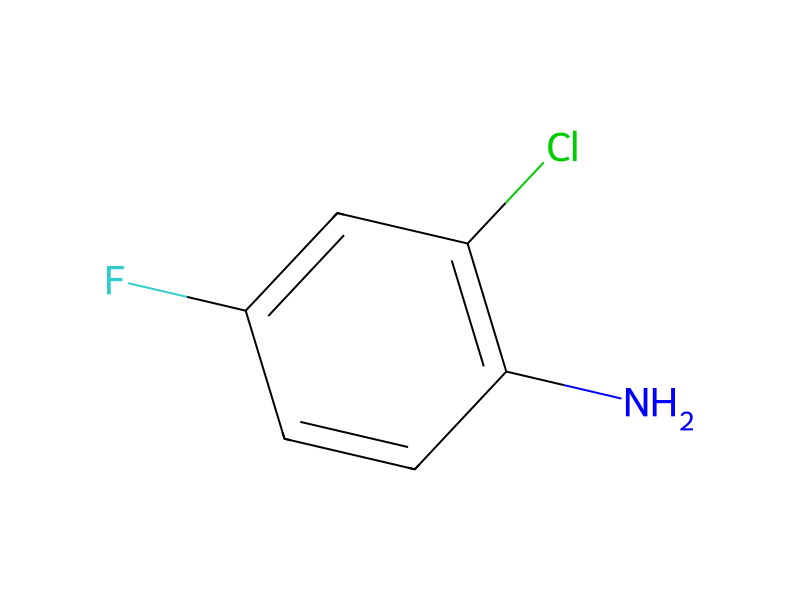
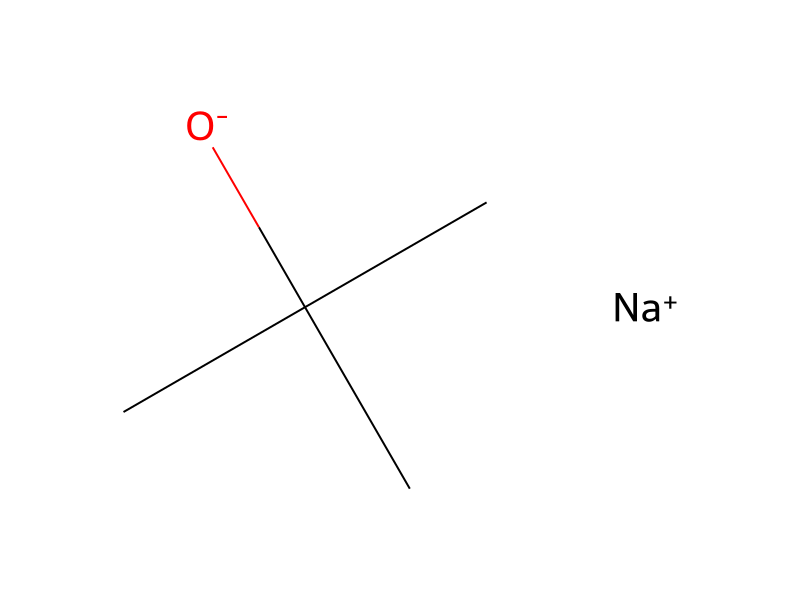
Br[C:2]1[CH:7]=[CH:6][C:5]([F:8])=[CH:4][CH:3]=1.[Cl:9][C:10]1[CH:16]=[C:15]([F:17])[CH:14]=[CH:13][C:11]=1[NH2:12].CC(C)([O-])C.[Na+]>C1C=CC(/C=C/C(/C=C/C2C=CC=CC=2)=O)=CC=1.C1C=CC(/C=C/C(/C=C/C2C=CC=CC=2)=O)=CC=1.C1C=CC(/C=C/C(/C=C/C2C=CC=CC=2)=O)=CC=1.[Pd].[Pd].CC1(C)C2C(=C(P(C3C=CC=CC=3)C3C=CC=CC=3)C=CC=2)OC2C(P(C3C=CC=CC=3)C3C=CC=CC=3)=CC=CC1=2.C1(C)C=CC=CC=1>[Cl:9][C:10]1[CH:16]=[C:15]([F:17])[CH:14]=[CH:13][C:11]=1[NH:12][C:2]1[CH:7]=[CH:6][C:5]([F:8])=[CH:4][CH:3]=1A round bottom flask was charged with 1-bromo-4-fluorobenzene (6.011 g, 34.4 mmol), 2-chloro-4-fluoroaniline (5.000 g, 34.3 mmol), Xantphos (0.795 g, 1.4 mmol), anhydrous toluene (200 mL), and sodium tert-butoxide (4.952 g, 51.5 mmol). The mixture was degassed and filled with nitrogen, and then tris(dibenzylideneacetone)dipalladium(0) (0.944 g, 1.0 mmol) was added and the reaction was stirred under nitrogen at 100° C. for 16 hrs. After cooling to room temperature, the mixture was filtered through Celite and the filter cake washed with methylene chloride. The filtrate was concentrated and the residue purified by silica gel chromatography (0-20% ethyl acetate/hexanes) to afford a yellowish oil (5.63 g, 68%). 1H NMR (300 MHz, CDCl3) δ 7.14 (dd, 1H, J=8.4, 3.0 Hz), 7.12-6.98 (m, 5H), 6.88 (td, 1H, J=8.7, 3.0 Hz), 5.80 (br s, 1H).