HomeMCPSkillsWorkbenchOpenChem
HomeWorkbenchNotificationsMe
llms.txt · skill.md · MCP GuidePrivacy Policy · Terms of Service · Supportv1.8.5
  1. Home
  2. /Reaction

Furan → 3-Furan-2-yl-5-((S)-1-methyl-pyrrolidin-2-ylmethoxy)-pyridine

HRID 1780299
Print

Reaction equation

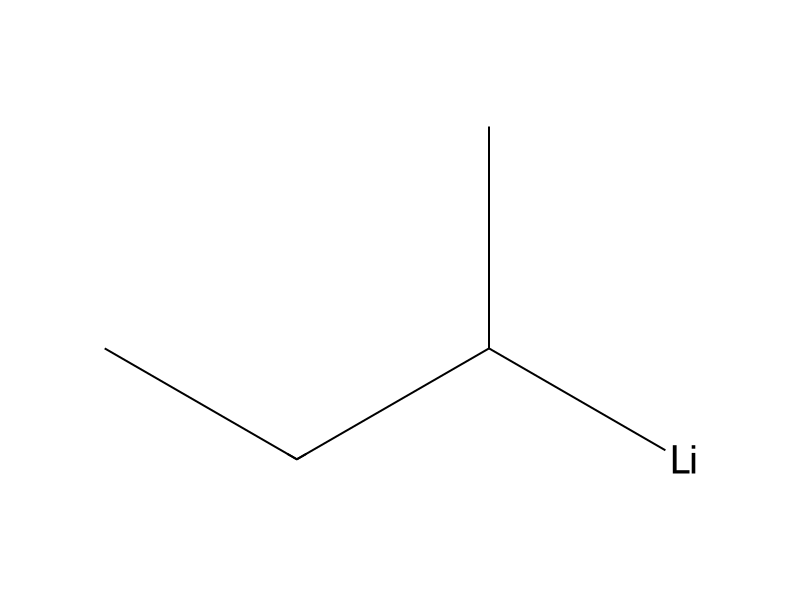
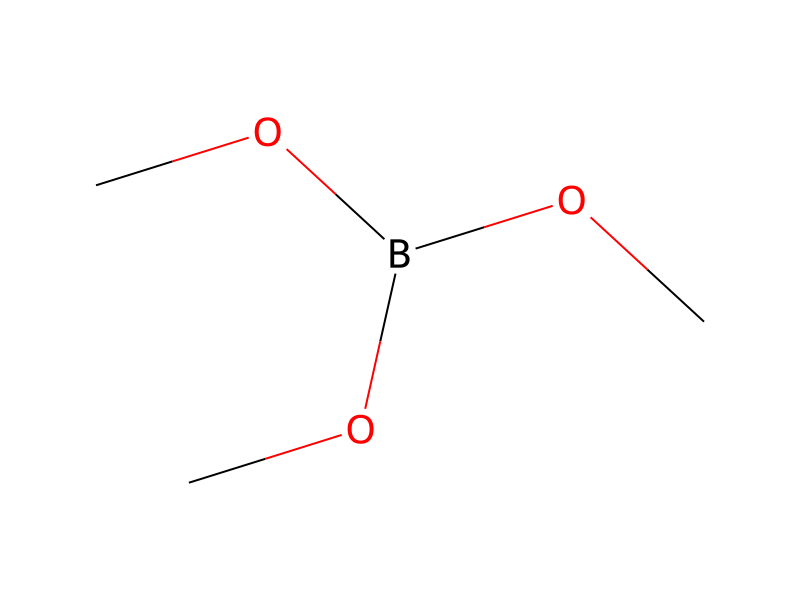
[O:1]1[CH:5]=[CH:4][CH:3]=[CH:2]1.C([Li])(CC)C.B(OC)(OC)OC.C(=O)([O-])[O-].[Na+].[Na+].Br[C:25]1[CH:26]=[C:27]([O:31][CH2:32][C@@H:33]2[CH2:37][CH2:36][CH2:35][N:34]2[CH3:38])[CH:28]=[N:29][CH:30]=1.C(=O)(O)[O-].[Na+]>C1COCC1.C1C=CC([P]([Pd]([P](C2C=CC=CC=2)(C2C=CC=CC=2)C2C=CC=CC=2)([P](C2C=CC=CC=2)(C2C=CC=CC=2)C2C=CC=CC=2)[P](C2C=CC=CC=2)(C2C=CC=CC=2)C2C=CC=CC=2)(C2C=CC=CC=2)C2C=CC=CC=2)=CC=1.O.C1C=CC=CC=1>[O:1]1[CH:5]=[CH:4][CH:3]=[C:2]1[C:25]1[CH:26]=[C:27]([O:31][CH2:32][C@@H:33]2[CH2:37][CH2:36][CH2:35][N:34]2[CH3:38])[CH:28]=[N:29][CH:30]=1
ParticipantsConditionsProcedureWorkupSources & evidenceReaction notes

Participants

11

Reactant 6

HCID 8029FuranHCID 8470Trimethyl borateHCID 10340Sodium CarbonateHCID 516892Sodium BicarbonateHCID 112887213-Bromo-5-((S)-1-methyl-pyrrolidin-2-ylmethoxy)-pyridineHCID 178418400CID 53628100

Product 1

HCID 15480239
3-Furan-2-yl-5-((S)-1-methyl-pyrrolidin-2-ylmethoxy)-pyridine
Yield 99%

Reagents, catalysts & solvents 4

HCID 178418397HCID 178418397, compoundCatalystHCID 241BenzeneSolventHCID 962WaterSolventHCID 8028TetrahydrofuranSolvent

Conditions

Temperature
-78 °C

Procedure

To a solution of furan (1.45 mL, 20.0 mmol) in THF (30.0 mL) was added sec-butyllithium (1.3M, 7.69 mL, 10.0 mmol) at -78° C. After half an hour at this temperature, trimethyl borate (2.27 mL, 20.0 mmol) was added. The reaction mixture was stirred at -78° C. for one hour and slowly warmed up to room temperature. Solvent was removed, and benzene (10.0 mL), sodium carbonate (2.0M, 5.0 mL), tetrakis(triphenylphosphine)palladium(0) (175 mg) and 5-bromo-3-(1-methyl-2-(S)-pyrrolidinylmethoxy)pyridine (1.36 g, 5.0 mmol) were added. The reaction mixture was refluxed overnight, then cooled to room temperature. Water (2 mL) was added, and solid sodium bicarbonate was added until the aqueous layer was saturated. The mixture was extracted with EtOAc, which was dried over MgSO4, filtered and concentrated. The residue was chromatographed on a silica gel column, eluting with NH4OH/MeOH/EtOAc 0:1:9 and 1:10:90 to afford an oil (1.27 g, 99%). MS (CI/NH3) m/z 259 (M+H)+. 1H NMR (CDCl3, 300 MHz) δ1.70-2.22 (m, 4H), 2.28-2.40 (m, 1H), 2.51 (s, 3H), 2.66-2.75 (m, 1H), 3.10-3.18 (m, 1H), 3.97-4.11 (m, 2H), 6.51 (dd, J=4.8 Hz, J=3.6 Hz, 1H), 6.74 (d, J=4.9 Hz, 1H), 7.47 (dd, J=3.0 Hz, J=2.1 Hz, 1H), 7.53 (d, J=3.6 Hz, 1H), 8.22 (d, J=3.0 Hz, 1H), 8.54 (d, J=2.1 Hz, 1H).

Workup

  1. temperatureslowly warmed up to room temperature
  2. customSolvent was removed
  3. temperatureThe reaction mixture was refluxed overnight
  4. temperaturecooled to room temperature
  5. extractionThe mixture was extracted with EtOAc, which
  6. dry with materialwas dried over MgSO4
  7. filtrationfiltered
  8. concentrationconcentrated
  9. customThe residue was chromatographed on a silica gel column
  10. washeluting with NH4OH/MeOH/EtOAc 0:1:9 and 1:10:90

Sources & evidence

ORD record
ord-c1ea9d07f34d4617901ea43ab1609779
Source dataset
uspto-grants-1997_05
DOI
10.6084/m9.figshare.5104873.v1
Patent number
US05629325

Reaction notes

On this pageParticipantsConditionsProcedureWorkupSources & evidenceReaction notes