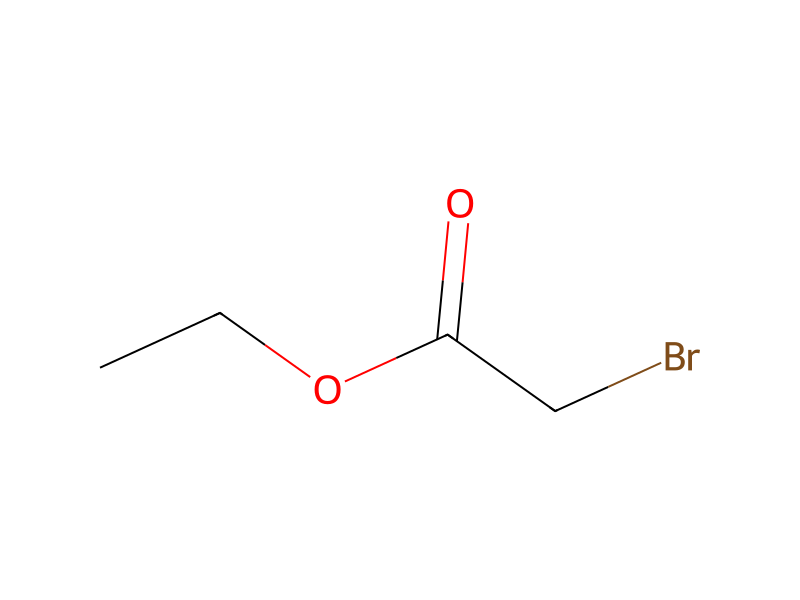
[Cl:1][CH2:2][CH2:3][C:4]([C:22]1[CH:27]=[CH:26][CH:25]=[CH:24][CH:23]=1)=[C:5]([C:12]1[CH:21]=[CH:20][C:15]([O:16][CH2:17][CH2:18][OH:19])=[CH:14][CH:13]=1)[C:6]1[CH:11]=[CH:10][CH:9]=[CH:8][CH:7]=1.[H-].[Na+].[CH3:30][CH2:31][O:32][C:33]([CH2:35]Br)=[O:34]>O1CCCC1>[CH2:31]([O:32][C:33](=[O:34])[CH2:35][O:19][CH2:18][CH2:17][O:16][C:15]1[CH:14]=[CH:13][C:12]([C:5]([C:6]2[CH:7]=[CH:8][CH:9]=[CH:10][CH:11]=2)=[C:4]([C:22]2[CH:23]=[CH:24][CH:25]=[CH:26][CH:27]=2)[CH2:3][CH2:2][Cl:1])=[CH:21][CH:20]=1)[CH3:30]2-[4-(4-Chloro-1,2-diphenyl-but-1-enyl)-phenoxy]-ethanol (Compound II) (0.3 g, 0.79 mmol) was dissolved in tetrahydrofuran (5 ml) under a nitrogen atmosphere. Sodium hydride (0.058 g, 1.21 mmol) was added in THF (5 ml) to the solution and the mixture was stirred at room temperature for an hour. Then the mixture was cooled to 0° C., ethyl bromo acetate (0.4 g, 2.38 mmol) was added and the stirring was continued for 5 hours at 0-5° C. The mixture was allowed to warm up to room temperature and stirring was continued overnight. Then the reaction is quenched with water and ethyl acetate. The aqueous layer was separated and extracted with ethyl acetate. The organic phase was washed with water, dried with sodium sulphate and evaporated to dryness. The residue was used in the next reaction step without further purification.