HomeMCPSkillsWorkbenchOpenChem
HomeWorkbenchNotificationsMe
llms.txt · skill.md · MCP GuidePrivacy Policy · Terms of Service · Supportv1.8.5
  1. Home
  2. /Reaction

Carbon Dioxide → N-(Bromoacetyl)-4-arsanilic acid

HRID 1791111
Print

Reaction equation

C(=O)([O-])[O-].[Na+].[Na+].C(=O)([O-])[O-].[CH:11]1[C:16]([NH2:17])=[CH:15][CH:14]=[C:13]([As:18]([OH:21])([OH:20])=[O:19])[CH:12]=1.[Br:22][CH2:23][C:24](Br)=[O:25].C(=O)=O.S(=O)(=O)(O)O>ClCCl.O>[Br:22][CH2:23][C:24]([NH:17][C:16]1[CH:11]=[CH:12][C:13]([As:18](=[O:20])([OH:21])[OH:19])=[CH:14][CH:15]=1)=[O:25]
ParticipantsProcedureWorkupSources & evidenceReaction notes

Participants

9

Reactant 6

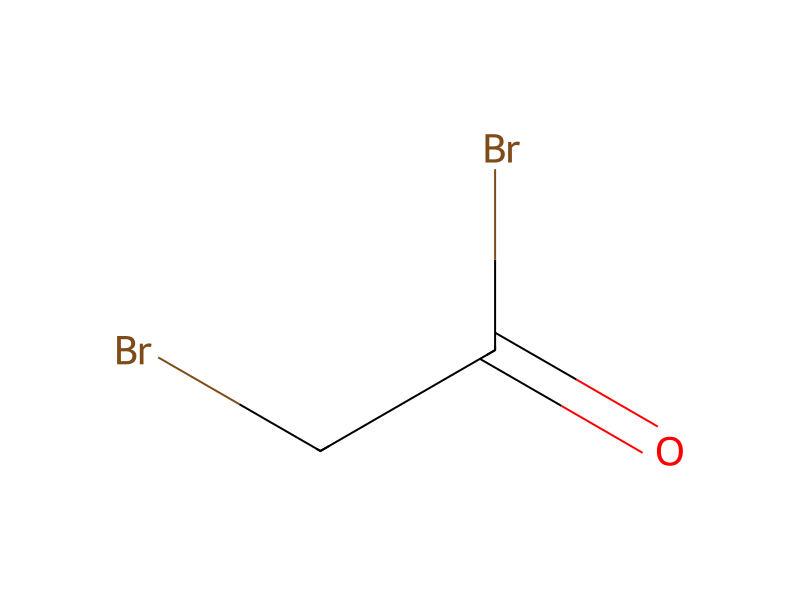
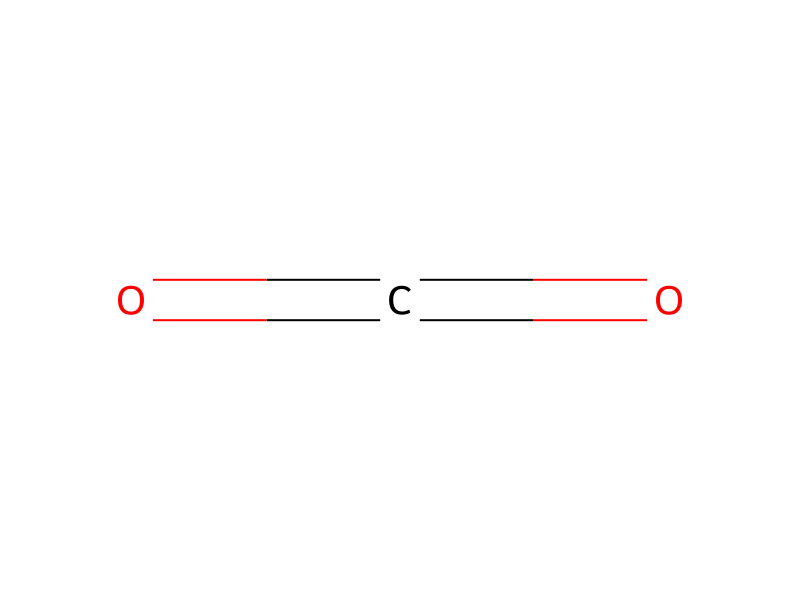
HCID 280Carbon DioxideHCID 1118Sulfuric AcidHCID 7389Arsanilic AcidHCID 10340Sodium CarbonateHCID 19660Carbonate IonHCID 61147Bromoacetyl bromide2×

Product 1

HCID 193853
N-(Bromoacetyl)-4-arsanilic acid

Reagents, catalysts & solvents 2

HCID 962WaterSolvent2×HCID 6344DichloromethaneSolvent3×

Procedure

Sodium carbonate (40.14 g, 378.7 mmol) was added to water (200 mL) and stirred at room temperature until all solids had dissolved. To the stirred carbonate solution was added p-arsanilic acid (29.99 g, 138.2 mmol), portionwise, and the volume of the solution made up to 300 mL with addition of more water. The solution (pH 10 to 11) was allowed to stir for 30 mins, and if necessary, was filtered to remove any undissolved solid before being refridgerated for 2 to 3 hours. The solution was transferred to a separating funnel and ice chips were added. Bromoacetyl bromide (15 mL, 34.76 g, 172.1 mmol) was diluted in dichloromethane (50 mL) and approximately half of the dichloromethane solution was added carefully to the cold aqueous solution. The mixture was cautiously shaken, with frequent venting to avoid excessive build up of pressure. After 1 to 2 mins, the evolution of carbon dioxide had subsided, and more vigorous shaking was undertaken. The remaining portion of bromoacetyl bromide was carefully added and the procedure repeated. When the reaction was over, the solution was found to be pH 7. The lower dichloromethane layer was discarded, and the aqueous layer transferred to a 1 L flask and carefully acidified by dropwise addition of 98% sulfuric acid. Complete precipitation of the white product required addition of acid until the solution was approximately pH 1. The crude product was collected and dried at the pump, typically in yields of 50% to 75%. 1H-NMR (d6-DMSO): δ 4.09 (s, 2H), 7.73 (d, J=9 Hz, 2H), 7.83 (d, J=9 Hz, 2H), 10.87 (s, 1H). 13C-NMR (d6-DMSO): δ 30.53, 119.97, 127.34, 131.56, 143.08, 166.00 ppm.

Workup

  1. dissolutionhad dissolved
  2. stirringto stir for 30 mins
  3. filtrationif necessary, was filtered
  4. customto remove any undissolved solid
  5. customThe solution was transferred to a separating funnel
  6. additionice chips were added
  7. stirringThe mixture was cautiously shaken, with frequent venting
  8. waitAfter 1 to 2 mins
  9. stirringmore vigorous shaking
  10. customthe aqueous layer transferred to a 1 L flask
  11. customprecipitation of the white product required
  12. additionaddition of acid until the solution
  13. customThe crude product was collected
  14. customdried at the pump
  15. customtypically in yields of 50% to 75%

Sources & evidence

ORD record
ord-d413e2e553a4450385370e823e4fa83a
Source dataset
uspto-grants-2006_07
DOI
10.6084/m9.figshare.5104873.v1
Patent number
US07074766B1

Reaction notes

On this pageParticipantsProcedureWorkupSources & evidenceReaction notes