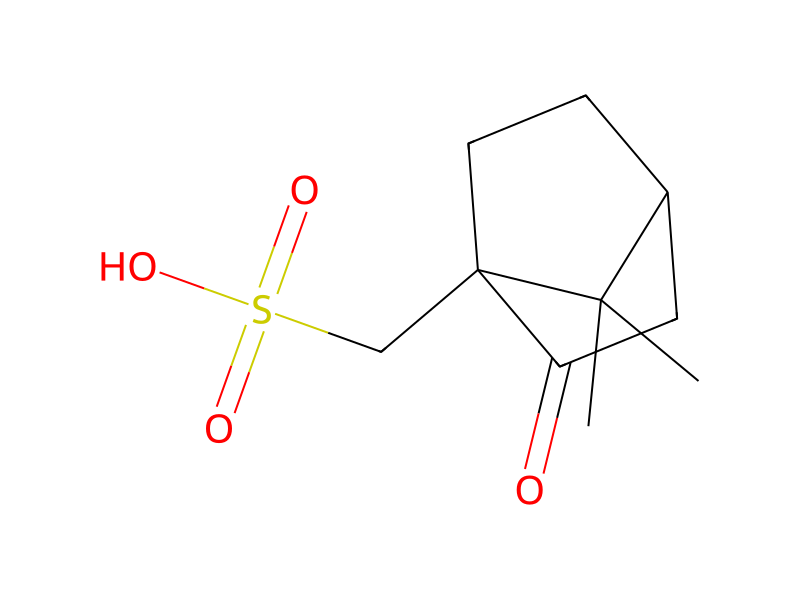
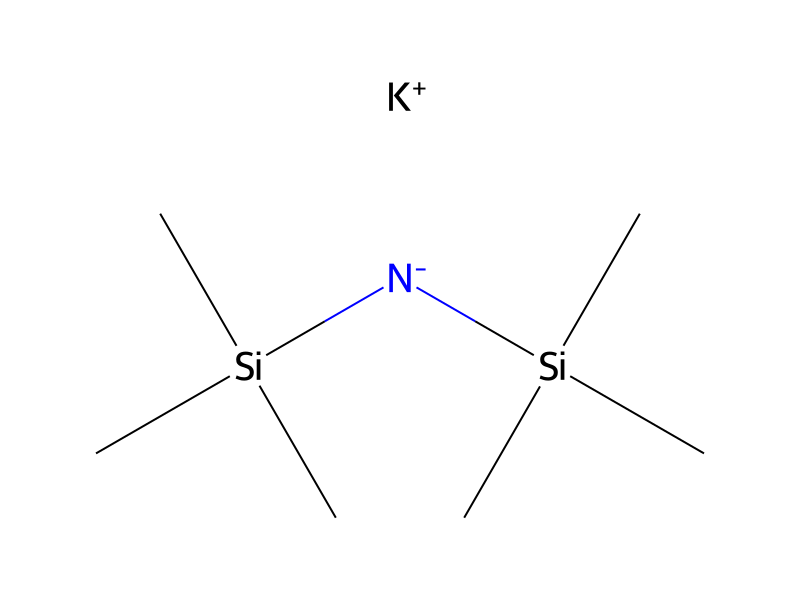
To a solution of 2-ethyl 2-amino-1-(2,4,6-trimethylphenyl)indolizine-3-carboxylate (19.2 g; 59.6 mmol) in 2,2-dimethoxypropane (100 mL), add dl-camphorsulfonic acid (0.2 g). Stir the mixture at reflux for 30 min and then distill slowly to remove ca. 60 mL of volatiles over a 30-minute period. Cool the solution to ambient temperature under inert atmosphere, dilute with anhydrous toluene (50 mL), and concentrate in vacuo. Dissolve the residue in toluene (50 mL) and add dropwise over a 1-hour period a 0.5 M solution of potassium bis(trimethylsilyl)amide in toluene (250 mL; 125 mmol) to the stirred solution. After the addition, stir the mixture for 2 h at ambient temperature, concentrate in vacuo to a small volume and dilute with aqueous NH4Cl. Filter the resulting biphasic mixture and wash successively with water, MeOH, and Et2O. Dry under vacuum to obtain the title compound as a pale yellow solid.