HomeMCPWorkbenchSkills
HomeWorkbenchNotificationsMe
llms.txt · MCP GuidePrivacy Policy · Terms of Service · Supportv1.8.0
  1. Home
  2. /Reaction

3-Hydroxyazetidine hydrochloride → 5-[2,6-Difluoro-4-(1-hydroxy-1-methylethyl)phenyl]-2-({2-[(3-hydroxyazetidin-1-yl)carbonyl]imidazo[1,2-b]pyridazin-6-yl}amino)thiophene-3-carboxamide

HRID 1799587
Notes
Print preview

Reaction equation

HRID 1799587 reaction equation
[NH2:1][C:2]([C:4]1[CH:8]=[C:7]([C:9]2[C:14]([F:15])=[CH:13][C:12]([C:16]([OH:19])([CH3:18])[CH3:17])=[CH:11][C:10]=2[F:20])[S:6][C:5]=1[NH:21][C:22]1[CH:23]=[CH:24][C:25]2[N:26]([CH:28]=[C:29]([C:31](OCC)=[O:32])[N:30]=2)[N:27]=1)=[O:3].C[Al](C)C.Cl.[OH:41][CH:42]1[CH2:45][NH:44][CH2:43]1>O1CCCC1>[F:15][C:14]1[CH:13]=[C:12]([C:16]([OH:19])([CH3:18])[CH3:17])[CH:11]=[C:10]([F:20])[C:9]=1[C:7]1[S:6][C:5]([NH:21][C:22]2[CH:23]=[CH:24][C:25]3[N:26]([CH:28]=[C:29]([C:31]([N:44]4[CH2:45][CH:42]([OH:41])[CH2:43]4)=[O:32])[N:30]=3)[N:27]=2)=[C:4]([C:2]([NH2:1])=[O:3])[CH:8]=1
ParticipantsConditionsProcedureWorkupSources & evidenceReaction notes

Participants

5

Reactant 3

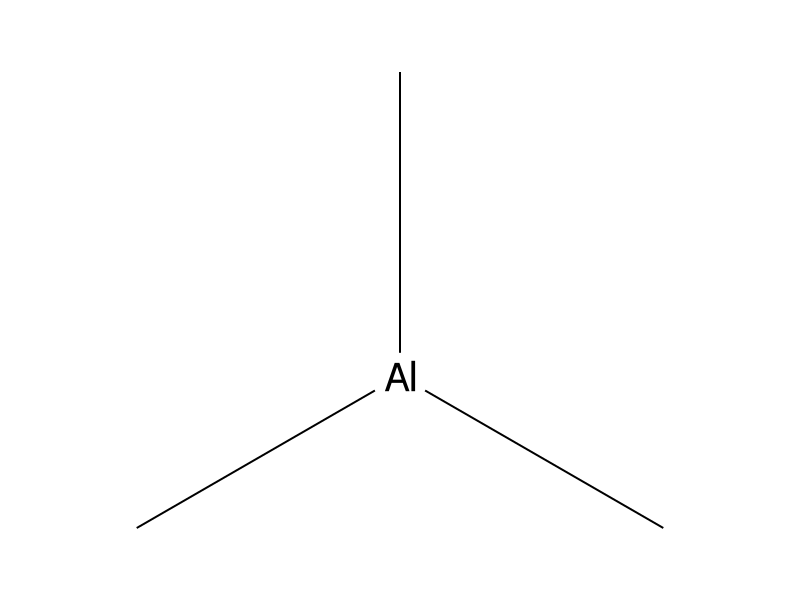
HCID 27592903-Hydroxyazetidine hydrochlorideHCID 16682925TrimethylaluminumHCID 58216619Ethyl 6-({3-(aminocarbonyl)-5-[2,6-difluoro-4-(1-hydroxy-1-methylethyl)phenyl]-2-thienyl}amino)imidazo[1,2-b]pyridazine-2-carboxylate

Product 1

HCID 445527375-[2,6-Difluoro-4-(1-hydroxy-1-methylethyl)phenyl]-2-({2-[(3-hydroxyazetidin-1-yl)carbonyl]imidazo[1,2-b]pyridazin-6-yl}amino)thiophene-3-carboxamide

Reagents, catalysts & solvents

1
HCID 8028TetrahydrofuranSolvent

Conditions

Temperature
0 °C

Procedure

Ethyl 6-({3-(aminocarbonyl)-5-[2,6-difluoro-4-(1-hydroxy-1-methylethyl)phenyl]-2-thienyl}amino)imidazo[1,2-b]pyridazine-2-carboxylate (33 mg, 0.07 mmol) was taken up in tetrahydrofuran and cooled to 0° C. Trimethylaluminum (0.53 ml, 1.06 mmol) was added dropwise, followed by 3-hydroxyazetidine hydrochloride (7 mg, 0.07 mmol). The reaction was stirred at 0° C. for one hour, warmed to room temperature and allowed to react overnight. The reaction was then quenched slowly with methanol, followed by stirring for 10 minutes at room temperature. The resulting mixture was filtered, washing the solids with ethyl acetate and water. The filtrate was collected, the phases were separated and the aqueous layer was extracted with ethyl acetate. The combined organics were concentrated under and purified via flash chromatography (0-15% methanol in dichloromethane) to afford the title compound.

Workup

  1. temperaturewarmed to room temperature
  2. customto react overnight
  3. customThe reaction was then quenched slowly with methanol
  4. stirringby stirring for 10 minutes at room temperature
  5. filtrationThe resulting mixture was filtered
  6. washwashing the solids with ethyl acetate and water
  7. customThe filtrate was collected
  8. customthe phases were separated
  9. extractionthe aqueous layer was extracted with ethyl acetate
  10. concentrationThe combined organics were concentrated under and
  11. custompurified via flash chromatography (0-15% methanol in dichloromethane)

Sources & evidence

ORD record
ord-6c378fd4918844458bd2491ef6f67885
Source dataset
uspto-grants-2013_01
DOI
10.6084/m9.figshare.5104873.v1
Patent number
US08344144B2

Reaction notes

Loading…

On this pageParticipantsConditionsProcedureWorkupSources & evidenceReaction notes