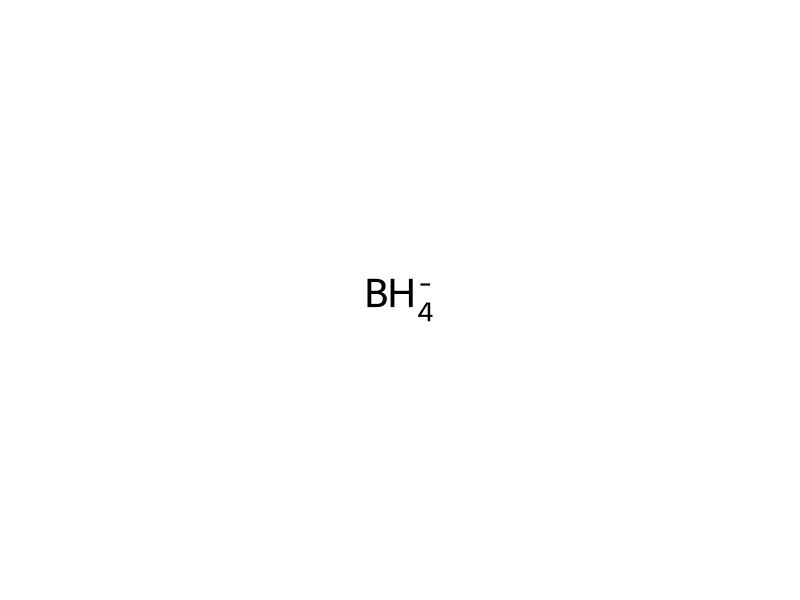
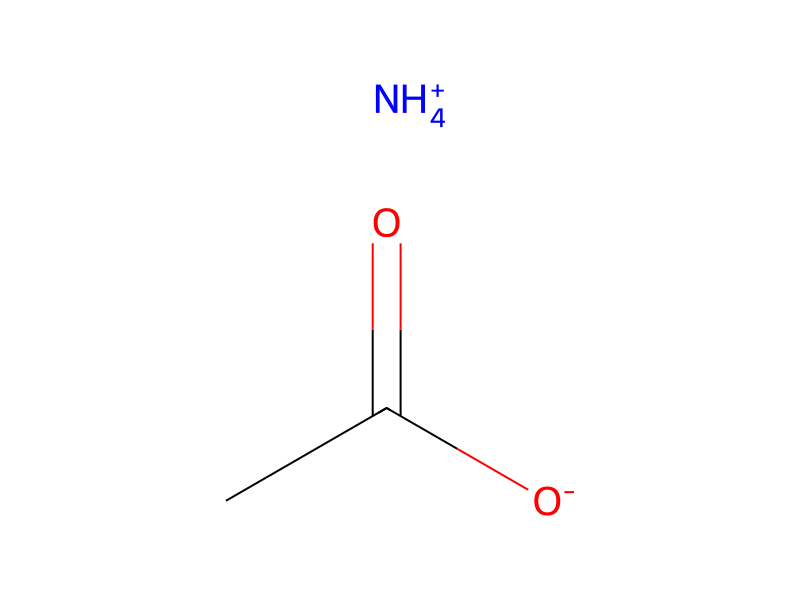
C([O-])(=O)C.[NH4+:5].[BH4-].[Na+].[Cl:8][C:9]1[N:10]=[CH:11][N:12]([C:14]2[CH:19]=[CH:18][C:17]([NH:20][C:21]3[S:22][C:23]4[CH2:29][C:28](=O)[CH2:27][CH:26]([C:31]5[CH:36]=[CH:35][C:34]([F:37])=[CH:33][CH:32]=5)[C:24]=4[N:25]=3)=[CH:16][C:15]=2[O:38][CH3:39])[CH:13]=1.Cl.[BH4-]>CO>[Cl:8][C:9]1[N:10]=[CH:11][N:12]([C:14]2[CH:19]=[CH:18][C:17]([NH:20][C:21]3[S:22][C:23]4[CH2:29][CH:28]([NH2:5])[CH2:27][CH:26]([C:31]5[CH:36]=[CH:35][C:34]([F:37])=[CH:33][CH:32]=5)[C:24]=4[N:25]=3)=[CH:16][C:15]=2[O:38][CH3:39])[CH:13]=1Ammonium acetate (123 mg, 1.599 mmol) and sodium borohydride (46.9 mg, 0.746 mmol) were added to a solution of 2-(4-(4-chloro-1H-imidazol-1-yl)-3-methoxyphenylamino)-4-(4-fluorophenyl)-4,5-dihydrobenzo[d]thiazol-6(7H)-one (50 mg, 0.107 mmol, from example 75) in MeOH (1.1 mL). The mixture was heated at 65° C. for 20 hours. Several drops of aqueous 1 M HCl were added to the reaction mixture to decompose the excess borohydride reagent. The solvent was removed in vacuo. The residue was made basic with 1N NaOH solution and extracted with dichloromethane. The crude product was purified using preparatory HPLC (Column: Phenomenex Luna C18 30×100 mm, Solvent A=10 mM Ammonium Acetate in 95:5 water/ACN, Solvent B=10 mM Ammonium Acetate in 5:95 water/ACN, flow rate: 40 ml/min, 30-80% B, 18 min) to afford N2-(4-(4-chloro-1H-imidazol-1-yl)-3-methoxyphenyl)-4-(4-fluorophenyl)-4,5,6,7-tetrahydrobenzo[d]thiazole-2,6-diamine (21 mg, 0.040 mmol, 37.7% yield) as a white solid. LC-MS (M+H)+ 470.2. 1H NMR (400 MHz, methanol-d4) δ ppm 7.82 (d, J=2.52 Hz, 1 H) 7.63 (d, J=1.51 Hz, 1H) 7.33 (s, 1 H) 7.17-7.24 (m, 3 H) 7.13 (d, J=8.56 Hz, 1 H) 6.97-7.06 (m, 2 H) 6.64 (dd, J=8.56, 2.27 Hz, 1H) 4.00-4.23 (m, 3H) 3.31 (s, 3 H) 2.99-3.09 (m, 1 H) 2.70 (ddd, J=15.23, 9.69, 3.27 Hz, 1 H) 2.30-2.41 (m, 1 H).