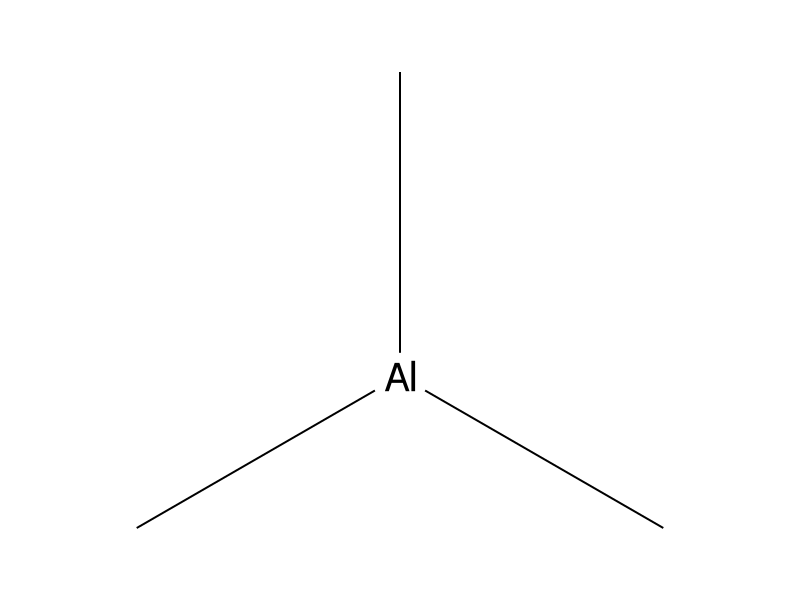
A stirred solution of 2-[2-(2-dimethylamino-ethylamino)-ethyl]-4-methyl-1H-pyrrole-3-carboxylic acid ethyl ester (267 mg, 1 mmol) in 5 ml of toluene was added dropwise with 2M trimethyl aluminum in toluene (1 ml, 2 mmol) under an argon atmosphere. The mixture was stirred for 1 hour at room temperature and heated to reflux for another 4 hours. The reaction mixture was cooled down to or in an ice-water bath, added with 1N hydrochloric acid (10 ml) and cold water (10 ml). The mixture was adjusted to pH12 with 10% aqueous sodium hydroxide solution and extracted with dichloromethane (25 ml×5). The combined organic extracts were filtered through a pad of Celite. The filtrate was dried with anhydrous sodium sulfate, filtered and concentrated under reduced pressure to give 5-(2-dimethylamino-ethyl)-3-methyl-1,5,6,7-tetrahydro-pyrrolo[3,2-c]pyridin-4-one (242 mg, 97%) as a brown oil which was used as such.