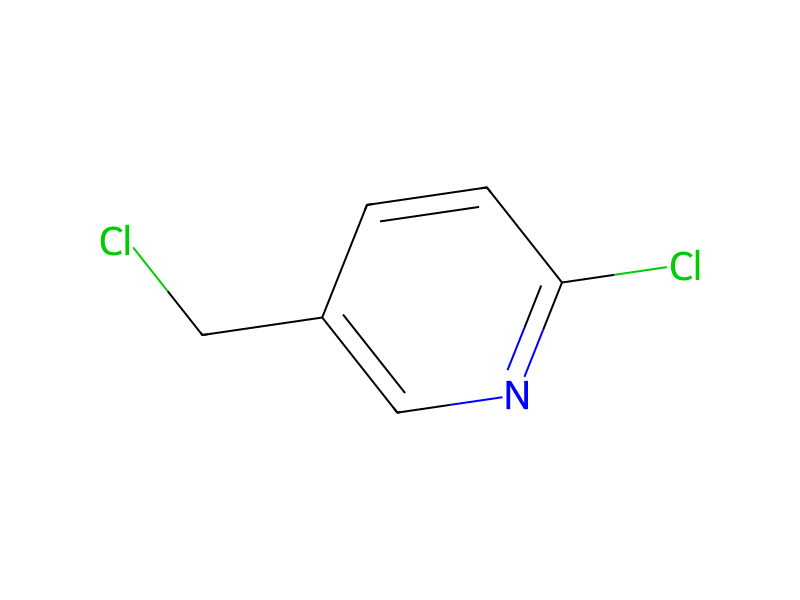
[H-].[Na+].[O:3]1[CH2:7][CH2:6][O:5][CH:4]1[C:8]1[CH:17]=[CH:16][C:15]([O:18][CH3:19])=[C:14]2[C:9]=1[CH2:10][CH2:11][C:12](=[O:20])[NH:13]2.[H][H].[Cl:23][C:24]1[CH:29]=[CH:28][C:27]([CH2:30]Cl)=[CH:26][N:25]=1>CN(C=O)C>[Cl:23][C:24]1[N:25]=[CH:26][C:27]([CH2:30][N:13]2[C:14]3[C:9](=[C:8]([CH:4]4[O:5][CH2:6][CH2:7][O:3]4)[CH:17]=[CH:16][C:15]=3[O:18][CH3:19])[CH2:10][CH2:11][C:12]2=[O:20])=[CH:28][CH:29]=1Sodium hydride (55% in oil) (2.1 g) was added in small portions under ice cooling to a DMF solution (70 ml) of 5-(1,3-dioxolan-2-yl)-8-methoxy-3,4-dihydro-1H-quinolin-2-one (10 g), and stirring was carried out at room temperature until the generation of hydrogen stopped. The resulting mixture was cooled with ice again, and a DMF solution (30 ml) of 2-chloro-5-chloromethyl pyridine (9.74 g) was added dropwise. After stirring at room temperature for 4 hours, the reaction mixture was poured into ice water, and the produced insoluble matter was collected by filtration. The solid was washed with water and diethyl ether and dried to thereby obtain 11.84 g (yield: 79%) of 1-(6-chloropyridin-3-ylmethyl)-5-(1,3-dioxolan-2-yl)-8-methoxy-3,4-dihydro-1H-quinolin-2-one as a light yellow solid.