Reaction equation

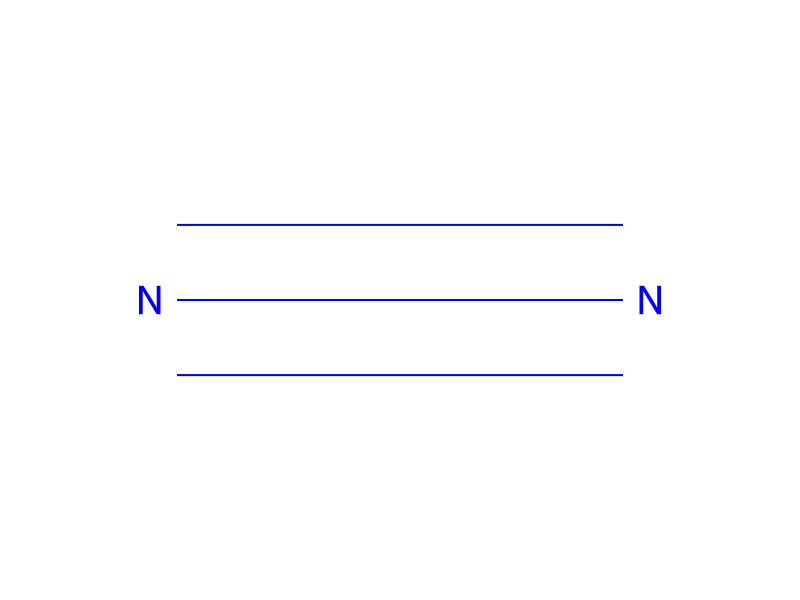
Br[C:2]1[CH:8]=[CH:7][C:5]([NH2:6])=[C:4]([F:9])[C:3]=1[C:10]([F:13])([F:12])[F:11].[CH2:14](C([Sn](Cl)(Cl)Cl)=C(CCCC)CCCC)[CH2:15]CC.N#N>CN(C=O)C>[F:9][C:4]1[C:3]([C:10]([F:13])([F:12])[F:11])=[C:2]([CH:14]=[CH2:15])[CH:8]=[CH:7][C:5]=1[NH2:6]Participants
5
Reactant 3


Product 1

Reagents, catalysts & solvents 1

Conditions
- Temperature
- 120 °C
Procedure
4-Bromo-2-fluoro-3-trifluoromethylaniline described above (5.0 g, 19.4 mmol) and tributylvinyltin chloride (7.1 g, 20.4 mmol) are added to anhydrous DMF (100 mL). The solution is degassed with N2, palladium tetrakistriphenylphosphine (1.5 g, 1.3 mmol) is added, and the reaction is heated at 120° C. for 18 hours. After cooling, the reaction mixture is partitioned between Et2O and saturated aqueous NaCl. The separated ether layer is washed with fresh saturated aqueous NaCl (2×), dried with Na2SO4, and concentrated under reduced pressure. The residue is purified by flash chromatography eluting with 5, then 10, then 20% EtOAc in hexanes to give the desired product, 2-fluoro-3-trifluoromethyl-4-vinylaniline.
Workup
- additionis added
- temperatureAfter cooling
- customthe reaction mixture is partitioned between Et2O and saturated aqueous NaCl
- washThe separated ether layer is washed with fresh saturated aqueous NaCl (2×)
- dry with materialdried with Na2SO4
- concentrationconcentrated under reduced pressure
- customThe residue is purified by flash chromatography
- washeluting with 5
Sources & evidence
- ORD record
- ord-b23fb36a00544ed0bba69c20bf831d51
- Source dataset
- uspto-grants-2013_01
- Patent number
- US08362294B2
Linked notes
Loading…