Reaction equation

C([N:8]1[CH2:12][CH2:11][C@H:10]([NH:13][C@@H:14]([C:16]2[CH:21]=[CH:20][CH:19]=[C:18]([O:22][CH3:23])[CH:17]=2)[CH3:15])[CH2:9]1)C1C=CC=CC=1.[ClH:24]>CO.O1CCOCC1.[OH-].[Pd+2].[OH-]>[ClH:24].[ClH:24].[CH3:23][O:22][C:18]1[CH:17]=[C:16]([C@H:14]([NH:13][C@H:10]2[CH2:11][CH2:12][NH:8][CH2:9]2)[CH3:15])[CH:21]=[CH:20][CH:19]=1Participants
6
Reactant 2


Product 1

Reagents, catalysts & solvents 3


Procedure
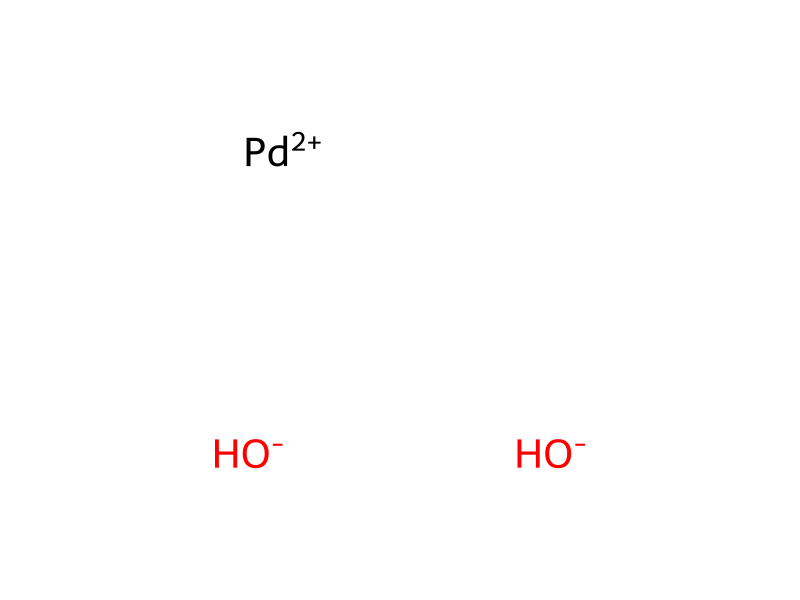
To a solution of 3.67 g of (S)-(1-benzylpyrrolidin-3-yl)-[(R)-1-(3-methoxyphenyl)ethyl]amine dissolved in 100 ml of methanol were added 830 mg of palladium hydroxide and 8.85 ml of a solution of 4M hydrochloric acid in dioxane, and the mixture was shaked under hydrogen atmosphere at 3 atm at room temperature for 3 days. Palladium hydroxide was removed, and the solvent was evaporated. To the residue was added methanol, and the resulting precipitates were collected by filtration, washed with methanol and dried to obtain 1.14 g of (S)-3-[(R)-1-(3-methoxyphenyl)ethylamino]pyrrolidine dihydrochloride (the following Reference example Table, Reference example 1.001).
Workup
- customPalladium hydroxide was removed
- customthe solvent was evaporated
- additionTo the residue was added methanol
- customthe resulting precipitates
- filtrationwere collected by filtration
- washwashed with methanol
- customdried
Sources & evidence
- ORD record
- ord-6e9fee769062453794fd522f467877a0
- Source dataset
- uspto-grants-2013_01
- Patent number
- US08362274B2
Linked notes
Loading…