HomeMCPWorkbenchSkills
HomeWorkbenchNotificationsMe
llms.txt · MCP GuidePrivacy Policy · Terms of Service · Supportv1.8.3
  1. Home
  2. /Reaction

Neopentyl glycol → 2-(4-Bromophenyl)-5,5-dimethyl-1,3-dioxane

HRID 1821452
Print

Reaction equation

HRID 1821452 reaction equation
[Br:1][C:2]1[CH:9]=[CH:8][C:5]([CH:6]=[O:7])=[CH:4][CH:3]=1.[OH:10][CH2:11][C:12]([CH3:16])([CH2:14]O)[CH3:13]>C1C=CC=CC=1.C1(C)C=CC(S(O)(=O)=O)=CC=1>[Br:1][C:2]1[CH:9]=[CH:8][C:5]([CH:6]2[O:10][CH2:11][C:12]([CH3:16])([CH3:14])[CH2:13][O:7]2)=[CH:4][CH:3]=1
ParticipantsProcedureWorkupSources & evidenceReaction notes

Participants

5

Reactant 2

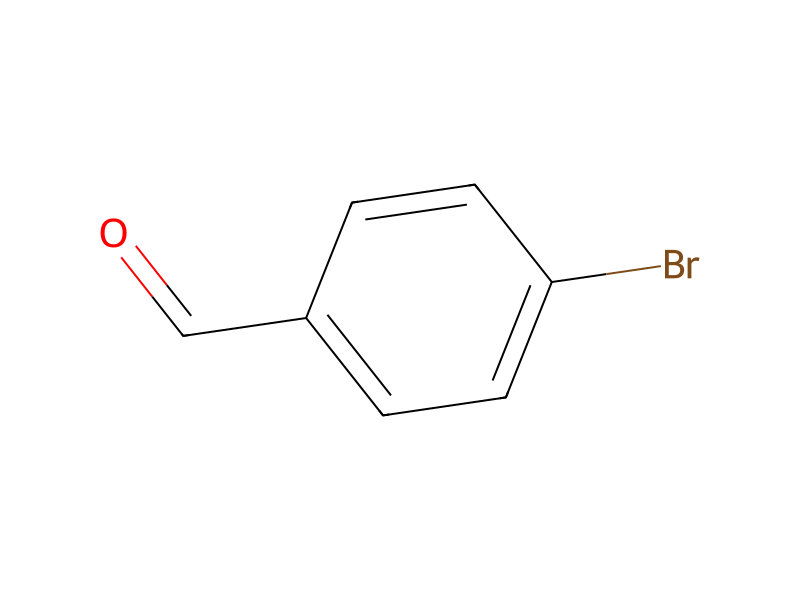
HCID 31344Neopentyl glycolHCID 707414-Bromobenzaldehyde

Product 1

HCID 137145152-(4-Bromophenyl)-5,5-dimethyl-1,3-dioxaneYield 93%

Reagents, catalysts & solvents 2

HCID 6101p-Toluenesulfonic acidCatalystHCID 241BenzeneSolvent2×

Procedure

A mixture of 4-bromobenzaldehyde (100 g, 0.54 mole), neopentyl glycol (115 g, 1.10 mole), and p-toluenesulfonic acid (800 mg, 4 mmole) in benzene (800 mL) was heated to reflux using a Dean Stark apparatus for 16h. The reaction mixture was cooled to room temperature and most of the benzene was removed. The residue was partitioned between ethyl acetate (500 mL) and cold water (150 mL). The organic phase was washed with water (2×150 mL) and brine (1×150 mL), then dried (Na2SO4) and concentrated to give the desired product (136 g, 93%).

Workup

  1. temperaturewas heated
  2. temperatureto reflux
  3. customfor 16h
  4. customwas removed
  5. customThe residue was partitioned between ethyl acetate (500 mL) and cold water (150 mL)
  6. washThe organic phase was washed with water (2×150 mL) and brine (1×150 mL)
  7. dry with materialdried (Na2SO4)
  8. concentrationconcentrated

Sources & evidence

ORD record
ord-c4e7b5832ca3412f800b6b678a48024d
Source dataset
uspto-grants-2009_10
DOI
10.6084/m9.figshare.5104873.v1
Patent number
US07605175B2

Reaction notes

On this pageParticipantsProcedureWorkupSources & evidenceReaction notes