Sodium Hydroxide → HCID 131725722, compound
HRID 1822749
Reaction equation

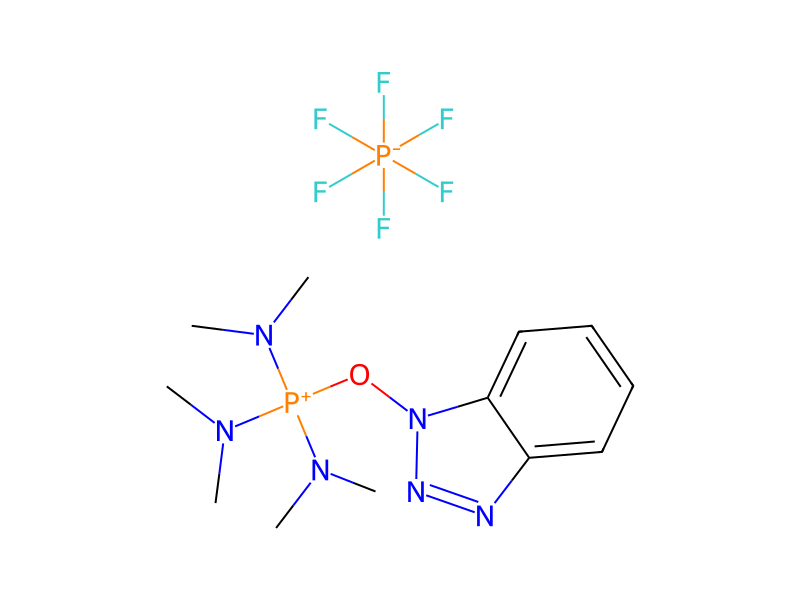
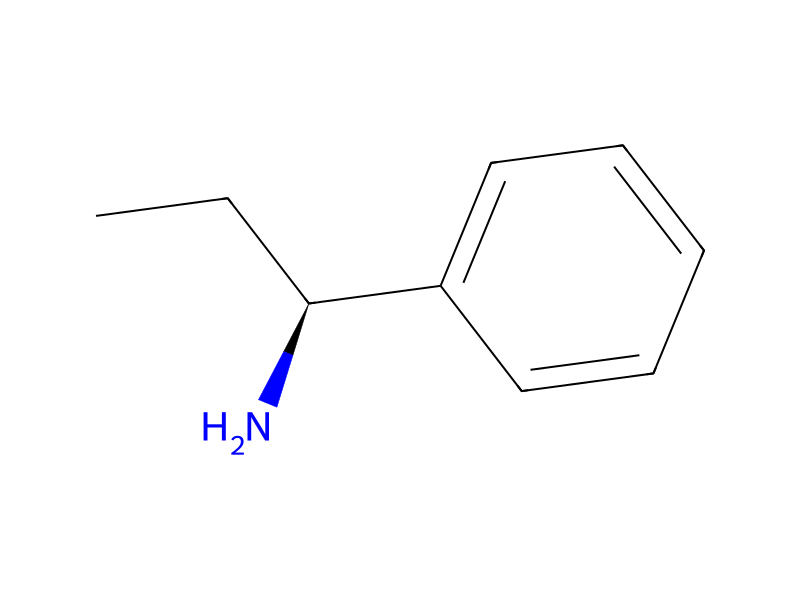
[C:1]1([C:7]2[N:12]=[C:11]3[CH:13]=[CH:14][N:15]=[CH:16][C:10]3=[C:9]([C:17]([OH:19])=O)[CH:8]=2)[CH:6]=[CH:5][CH:4]=[CH:3][CH:2]=1.F[P-](F)(F)(F)(F)F.[N:27]1(O[P+](N(C)C)(N(C)C)N(C)C)C2C=CC=CC=2N=N1.C1([C@@H](N)CC)C=CC=CC=1.[OH-].[Na+]>CC(N(C)C)=O.ClC(Cl)C.C(N(CC)CC)C>[C:1]1([C:7]2[N:12]=[C:11]3[CH:13]=[CH:14][N:15]=[CH:16][C:10]3=[C:9]([C:17]([NH2:27])=[O:19])[CH:8]=2)[CH:6]=[CH:5][CH:4]=[CH:3][CH:2]=1Participants
8