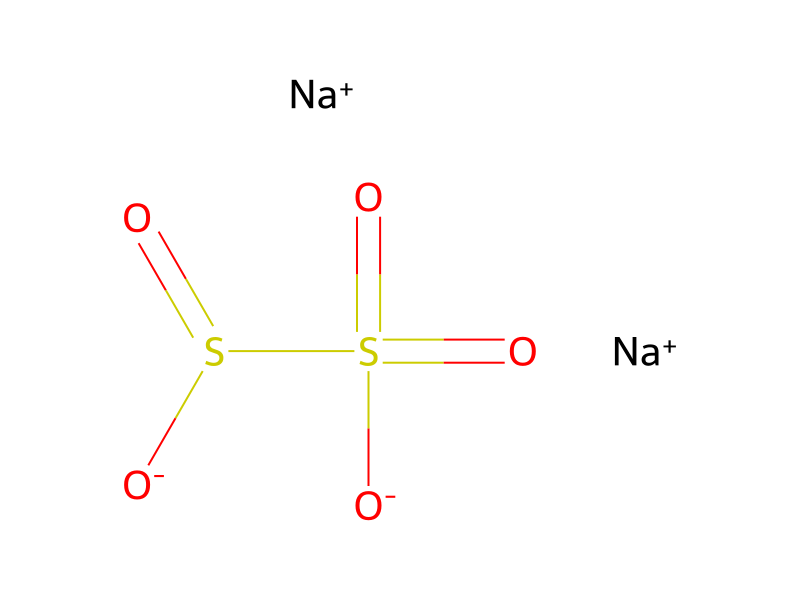
[OH:1][CH2:2][CH2:3][CH2:4][S:5][C:6]1[N:7]([CH2:21][C:22]2[C:31]3[C:26](=[CH:27][CH:28]=[CH:29][CH:30]=3)[CH:25]=[CH:24][CH:23]=2)[CH:8]=[C:9]2[C:14]([CH2:15][CH:16]([CH3:18])[CH3:17])=[N:13][N:12]([CH3:19])[C:11](=[O:20])[C:10]=12.ClC1C=C(C=CC=1)C(OO)=[O:37].C(=O)(O)[O-].[Na+].S(S([O-])=O)([O-])(=O)=O.[Na+].[Na+]>ClCCl>[OH:1][CH2:2][CH2:3][CH2:4][S:5]([C:6]1[N:7]([CH2:21][C:22]2[C:31]3[C:26](=[CH:27][CH:28]=[CH:29][CH:30]=3)[CH:25]=[CH:24][CH:23]=2)[CH:8]=[C:9]2[C:14]([CH2:15][CH:16]([CH3:18])[CH3:17])=[N:13][N:12]([CH3:19])[C:11](=[O:20])[C:10]=12)=[O:37]2,6-Dihydro-7-[(3-hydroxypropyl)thio]-2-methyl-4-(2-methylpropyl)-6-(1-naphthalenylmethyl)-1H-pyrrolo[3,4-d]pyridazin-1-one (0.34 g) prepared as described in Example 3 above was dissolved in dichloromethane (7 ml) and 3-chloroperoxybenzoic acid (229 mg) was added. After 4 hours sodium bicarbonate (aqueous) and sodium metabisulfite (aqueous) were added and the mixture was extracted thrice with dichloromethane. The combined organic extracts were washed with brine, dried, filtered and evaporated. The residue was chromatographed eluting with ethyl acetate and then ethyl acetate:ethanol (19:1-9:1) to give 2 products. The more polar product was triturated with ether to give 2,6-Dihydro-7-[(3-hydroxypropyl)sulfinyl]-2-methyl-4(2-methylpropyl)-6-(1-naphthalenylmethyl)-1H-pyrrolo[3,4-d]pyridazin-1-one (A) (48 mg) whilst the less polar product was recrystallised from isohexane-ethyl acetate to give 2,6-dihydro-7-[(3-hydroxypropyl)sulfonyl]-2-methyl-4-(2-methylpropyl)-6-(1-naphthalenylmethyl)-1H-pyrrolo[3,4-d]pyridazin-1-one (B) (94 mg).
Loading…