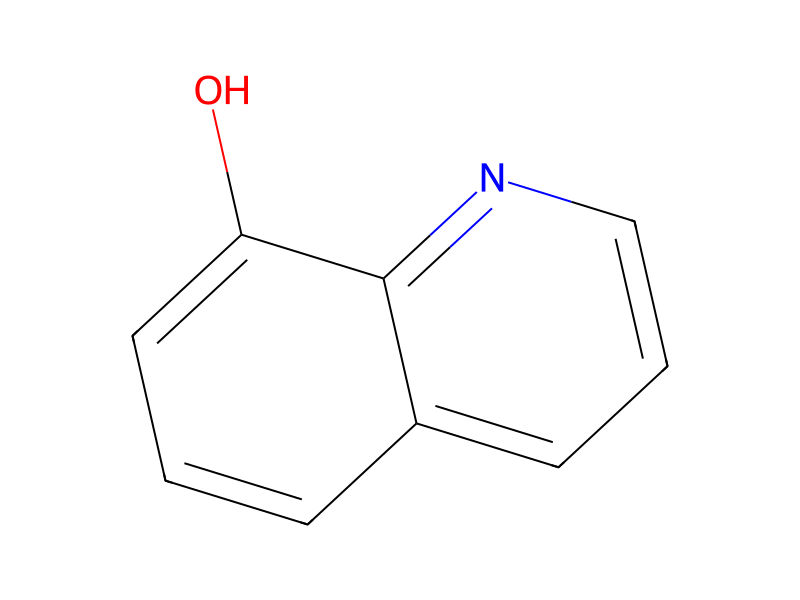
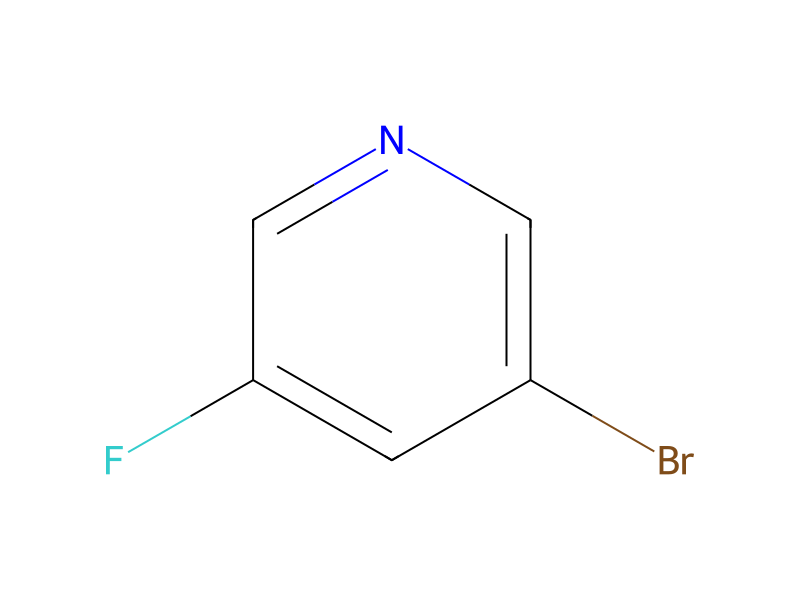
[F:1][C:2]([F:15])([F:14])[C:3]1[CH:12]=[C:11]2[C:6]([CH:7]=[CH:8][NH:9][C:10]2=[O:13])=[CH:5][CH:4]=1.Br[C:17]1[CH:18]=[N:19][CH:20]=[C:21]([F:23])[CH:22]=1.OC1C=CC=C2C=1N=CC=C2.C([O-])([O-])=O.[K+].[K+]>C(Cl)Cl.[Cu]I.O1CCOCC1>[F:23][C:21]1[CH:22]=[C:17]([N:9]2[CH:8]=[CH:7][C:6]3[C:11](=[CH:12][C:3]([C:2]([F:1])([F:14])[F:15])=[CH:4][CH:5]=3)[C:10]2=[O:13])[CH:18]=[N:19][CH:20]=17-Trifluoromethyl-2H-isoquinolin-1-one (I-29d: 0.1 g, 0.00046 mol) was reacted with 3-bromo-5-fluoropyridine (0.099 g, 0.00056 mol), 8-hydroxy quinoline (0.013 g, 0.00009 mol), K2CO3 (0.161 g, 0.0011 mol), CuI (0.017 g, 0.00009 mol) and 1,4-dioxane (5 mL) to afford the crude product. The reaction mass was cooled to room temperature, diluted with DCM, washed with ammonia solution and separated the layers. The organic layer was washed with brine solution, dried over Na2SO4 and concentrated under reduced pressure to afford the crude product. Purification by column chromatography on silica gel (0.5% methanol in DCM), followed by hexane-wash afforded 66.5 mg of the product (47.14% yield).
Loading…