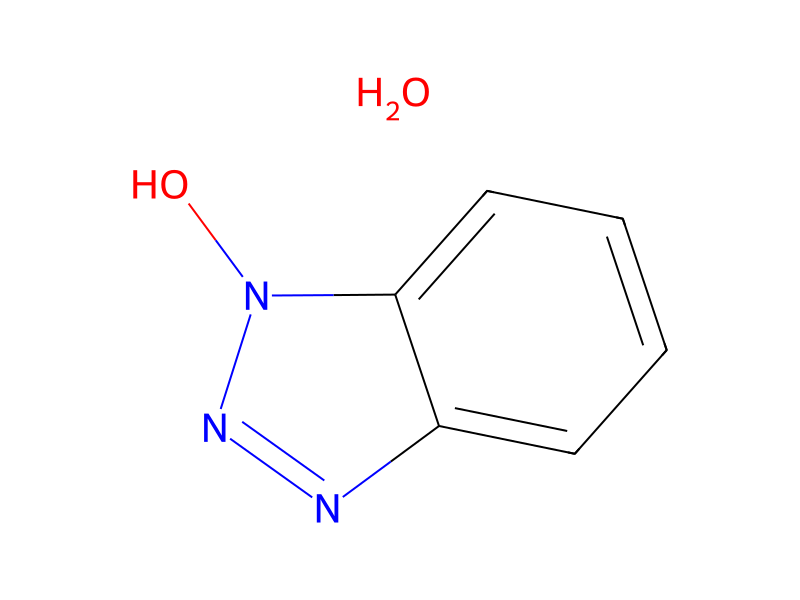
To a mixture of 3-bromo-5-(methylsulfonyl)benzoic acid (630 mg, 2.2 mmol), N-(3-dimethylaminopropyl)-N′-ethylcarbodiimide hydrochloride (860 mg, 4.5 mmol), 1-hydroxybenzotriazole hydrate (140 mg, 0.90 mmol), and CH2Cl2 (25 mL) were added (6-methylpyridin-3-yl)methanamine (550 mg, 4.5 mmol) and N,N-diisopropylethylamine (0.79 mL, 4.5 mmol). The mixture was stirred at room temperature overnight, and then diluted with CH2Cl2 (50 mL). The organic phase was washed with water and aq. Na2CO3 solution, dried (Na2SO4), and concentrated in vacuo. The residue was purified by silica gel column (50-100% EtOAc/hexane) to afford a white solid. LC-MS: 385.2 [M+1]+; 1H NMR (400 MHz, CDCl3): 8.51 (d, 1H, J=1.6 Hz), 8.28 (t, 1H, J=1.6 Hz), 8.23 (t, 1H, J=1.6 Hz), 8.19 (t, 1H, J=1.6 Hz), 7.66 (dd, 1H, J=8.0, 2.0 Hz), 7.19 (d, 1H, J=8.0 Hz), 6.93 (bs, 1H), 4.63 (d, 2H, J=5.6 Hz), 3.09 (s, 3H), 2.57 (s, 3H).