Reaction equation

Br[CH2:2][C:3](=[N:8][OH:9])[C:4]([F:7])([F:6])[F:5].[NH:10]1[C:18]2[C:13](=[CH:14][CH:15]=[CH:16][CH:17]=2)[CH:12]=[CH:11]1.C(=O)([O-])[O-].[Na+].[Na+]>C(OC)(C)(C)C>[F:5][C:4]([F:7])([F:6])[C:3](=[N:8][OH:9])[CH2:2][C:12]1[C:13]2[C:18](=[CH:17][CH:16]=[CH:15][CH:14]=2)[NH:10][CH:11]=1Participants




Procedure
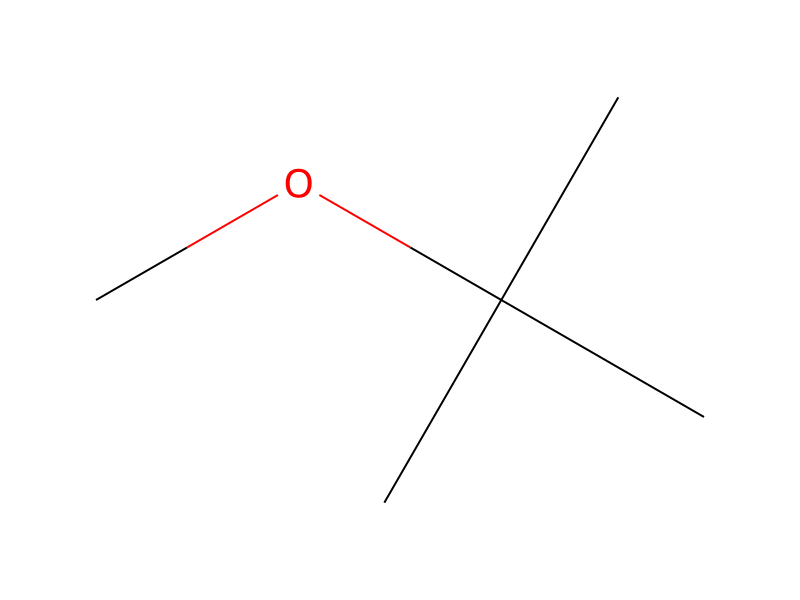
To a solution of the 1.64 g (7.96 mmol) of 3-bromo-1,1,1-trifluoropropan-2-one oxime in 250 mL of methyl tert-butyl ether was added 3.74 g (31.92 mmol) of indole followed by 5.0 g (47.62 mmol) of powdered (freshly ground) sodium carbonate. The reaction was monitored by thin layer chromatography (ethyl acetate-hexanes (2:8)) to afford a new more polar product compared to indole (PMA-stained and UV-active). The mixture was then filtered through diatomaceous earth and concentrated in vacuo. The residue was then concentrated in vacuo and diluted first with dichloromethane (1 part) and then hexanes (4 parts) and passed through a pad of silica gel using dichloromethane-hexanes (gradient: 20%-100%) to afford 1.72 g (89.2%) of 1,1,1-trifluoro-3-(1H-indol-3-yl)propan-2-one oxime as a white solid.
Workup
- customto afford a new more polar product
- filtrationThe mixture was then filtered through diatomaceous earth
- concentrationconcentrated in vacuo
- concentrationThe residue was then concentrated in vacuo
- additiondiluted first with dichloromethane (1 part)
Sources & evidence
- ORD record
- ord-b4ff9c053414483a8dc282ade2689add
- Source dataset
- uspto-grants-2010_06
- Patent number
- US07741361B2
Linked notes
Loading…