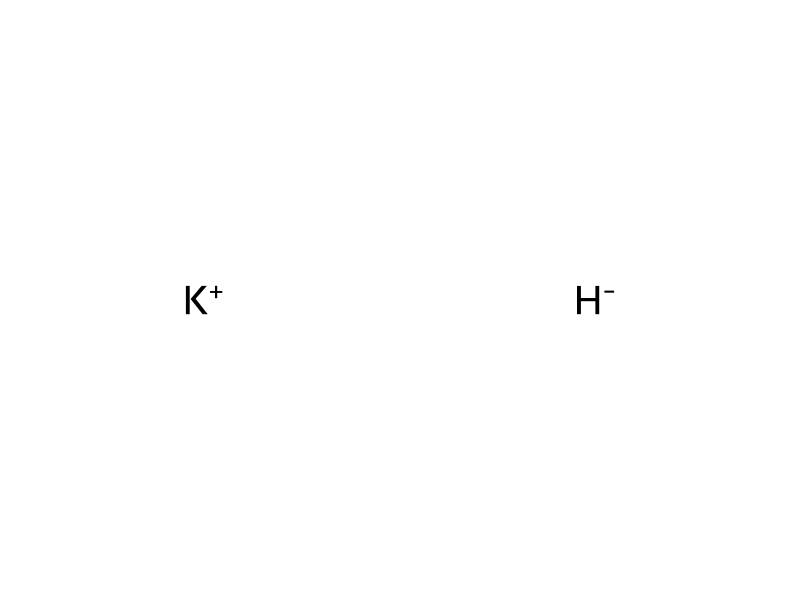
(rac)-1,1,1-Trifluoro-2-propanol (Oakwood) (0.45 g, 0.004 mole) was added to a stirred, ice-bath cooled mixture of potassium hydride (approximate 50% dispersion in mineral oil) (Aldrich) (0.32 g, 0.004 mole) and N,N-dimethylformamide (50 mL). The ice-bath was removed, and the reaction was stirred at ambient temperature for 1 hour. 3-Fluorophenoxathiin 10,10-dioxide (Example 47) (1.00 g, 0.004 mole) was added, and the mixture was heated at reflux under nitrogen for 2 hours. The reaction was cooled, and the volatiles were removed by spin evaporation in vacuo. The residue was purified by column chromatography on Silica Gel 60 using ethyl acetate-hexanes:3-7. The appropriate column fractions were combined, and the volatiles were removed by spin evaporation in vacuo to give 1.21 g (87% yield) of (rac)-3-(2,2,2-trifluoro-1-methylethoxy)phenoxathiin 10,10-dioxide. Recrystallization from ethanol gave 1.03 g (74yield) of the analytical sample, m.p. 97-98.5° C.