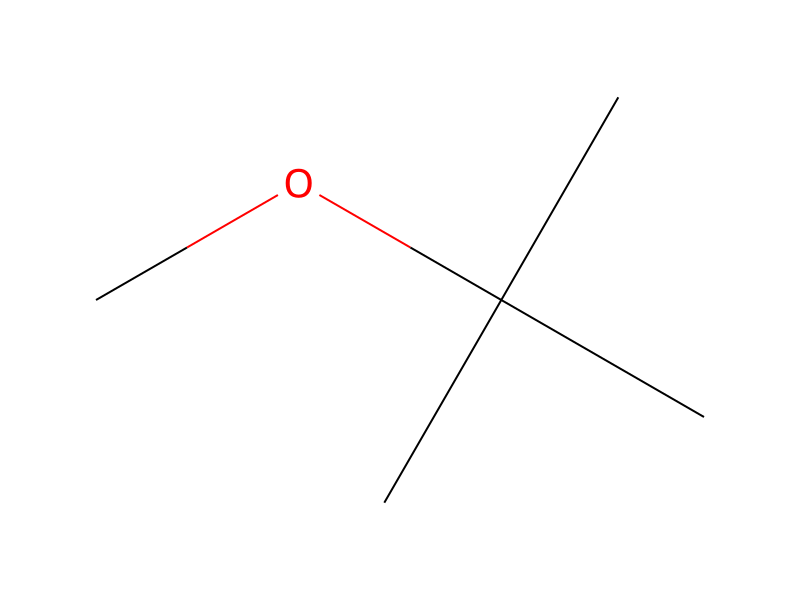
CS(O[CH2:6][C:7]1[CH:12]=[CH:11][C:10]([C:13]2[CH2:14][C:15]([C:22]3[CH:27]=[C:26]([Cl:28])[CH:25]=[C:24]([Cl:29])[CH:23]=3)([C:18]([F:21])([F:20])[F:19])[CH2:16][N:17]=2)=[CH:9][C:8]=1[Br:30])(=O)=O.[NH3:31].CO.COC(C)(C)C>C1COCC1>[Br:30][C:8]1[CH:9]=[C:10]([C:13]2[CH2:14][C:15]([C:22]3[CH:23]=[C:24]([Cl:29])[CH:25]=[C:26]([Cl:28])[CH:27]=3)([C:18]([F:20])([F:19])[F:21])[CH2:16][N:17]=2)[CH:11]=[CH:12][C:7]=1[CH2:6][NH2:31]A solution of 2-bromo-4-[3-(3,5-dichlorophenyl)-3-(trifluoromethyl)-3,4-dihydro-2H-pyrrol-5-yl]benzyl methanesulfonate (1.0 g) in THF (5 ml) was added dropwise to a mixed solution of aqueous ammonia (30%, 30 ml), methanol (30 ml) and THF (30 ml), and the reaction mixture was stirred for 20 hours at room temperature. The mixture was concentrated under reduced pressure to give residual material. The residue was dissolved with t-butyl methyl ether and washed with water and a saturated aqueous brine, subsequently dried over magnesium sulfate. After separating the drying agent by filtration, the reaction liquor was distilled off under reduced pressure, to obtain 1-{2-bromo-4-[3-(3,5-dichlorophenyl)-3-(trifluoromethyl)-3,4-dihydro-2H-pyrrol-5-yl]phenyl}methanamine (0.8 g).