HomeMCPWorkbenchSkills
HomeWorkbenchNotificationsMe
llms.txt · MCP GuidePrivacy Policy · Terms of Service · Supportv1.8.3
  1. Home
  2. /Reaction

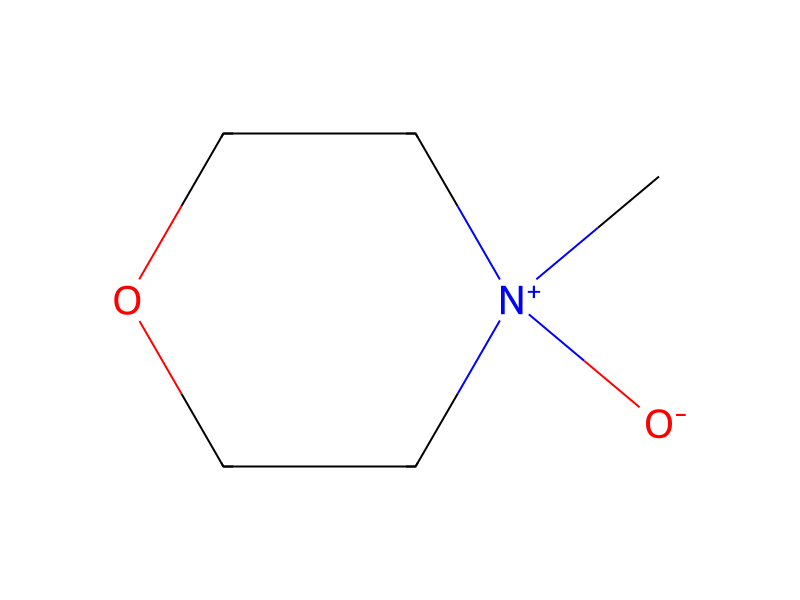
Methyl morpholine oxide → (6S,8R,9S)-6-(2,3-difluorophenyl)-6,7,8,9-tetrahydro-5H-cyclohepta[b]pyridine-8,9-diol

HRID 1879381
Print

Reaction equation

HRID 1879381 reaction equation
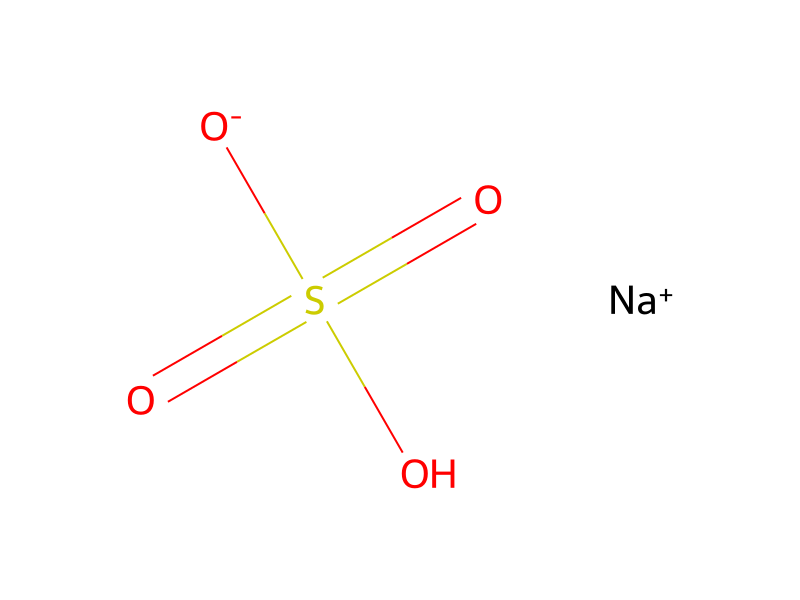
[F:1][C:2]1[C:7]([F:8])=[CH:6][CH:5]=[CH:4][C:3]=1[C@@H:9]1[CH2:19][CH:18]=CC2=NC=C[CH:16]=[C:11]2[CH2:10]1.C[N+:21]1([O-])[CH2:26][CH2:25][O:24][CH2:23][CH2:22]1.S(=O)(=O)(O)[O-:29].[Na+]>CC(C)=O.O.[Os](=O)(=O)(=O)=O>[F:1][C:2]1[C:7]([F:8])=[CH:6][CH:5]=[CH:4][C:3]=1[C@@H:9]1[CH2:19][C@@H:18]([OH:29])[C@@H:25]([OH:24])[C:26]2=[N:21][CH:22]=[CH:23][CH:16]=[C:11]2[CH2:10]1
ParticipantsProcedureWorkupSources & evidenceReaction notes

Participants

7

Reactant 3

HCID 82029Methyl morpholine oxideHCID 516919Sodium BisulfateHCID 58467997(R,Z)-6-(2,3-difluorophenyl)-6,7-dihydro-5H-cyclohepta[b]pyridine

Product 1

HCID 58467978(6S,8R,9S)-6-(2,3-difluorophenyl)-6,7,8,9-tetrahydro-5H-cyclohepta[b]pyridine-8,9-diol

Reagents, catalysts & solvents 3

HCID 30318Osmium Tetroxide
Catalyst
3×
HCID 180AcetoneSolvent
HCID 962WaterSolvent

Procedure

In a 50 mL round-bottom flask was dissolved (R,Z)-6-(2,3-difluorophenyl)-6,7-dihydro-5H-cyclohepta[b]pyridine (110 mg, 0.428 mmol) and NMO (110 mg, 0.941 mmol) in acetone (2 mL) and water (0.04 mL) to give a tan solution. Osmium tetroxide (0.021 mL, 1.710 μmol) (2.5 wt-% solution in 2-methyl-2-propanol) was added (the tan color instantly changed to very light yellow). The mixture was stirred at room temperature. 1 h: <5% conversion. 0.021 mL OsO4 was added. 22 h: ⅓ conversion. Another 0.021 mL OsO4 solution was added. 28 h (50 h total). Sodium bisulfate (1.2 g) was added and stirring continued for 30 min. Acetone was removed in vacuo and the residue was extracted with ethyl acetate three times. The combined organic layers were washed with brine, dried and concentrated to an off-white solid. FCC (a few drops of methanol helped to completely dissolve the solids in methylene chloride) up to 10% methanol/methylene chloride afforded two products: a less polar, likely the desired trans product (61 mg, 49%) and a more polar cis product (47.1 mg, 38%) as white solids. MS(ESI)[M+H+]=258.16, 1H NMR (400 MHz, CHLOROFORM-d) δ ppm 8.46 (d, J=5.04 Hz, 1H) 7.50 (dd, J=7.55, 1.26 Hz, 1H) 7.22 (dd, J=7.43, 4.91 Hz, 1H) 7.01-7.10 (m, 3H) 5.04 (s, 1H) 4.43 (br. s., 1H) 3.35 (dd, J=11.33, 3.53 Hz, 1H) 3.24 (t, J=12.97 Hz, 1H) 2.86 (d, J=14.35 Hz, 1H) 2.30-2.44 (m, 2H); 19F NMR (376 MHz, CHLOROFORM-d) δ ppm −138.07-−137.86 (m, 1F) −142.98-−142.63 (m, 1F).

Workup

  1. customto give a tan solution
  2. custom1 h
  3. custom22 h
  4. custom28 h (50 h total)
  5. stirringstirring
  6. customAcetone was removed in vacuo
  7. extractionthe residue was extracted with ethyl acetate three times
  8. washThe combined organic layers were washed with brine
  9. customdried
  10. concentrationconcentrated to an off-white solid
  11. dissolutionto completely dissolve the solids in methylene chloride) up to 10% methanol/methylene chloride
  12. customafforded two products

Sources & evidence

ORD record
ord-b110e75f760c44d0b4acfa07d1543149
Source dataset
uspto-grants-2012_11
DOI
10.6084/m9.figshare.5104873.v1
Patent number
US08314117B2

Reaction notes

On this pageParticipantsProcedureWorkupSources & evidenceReaction notes