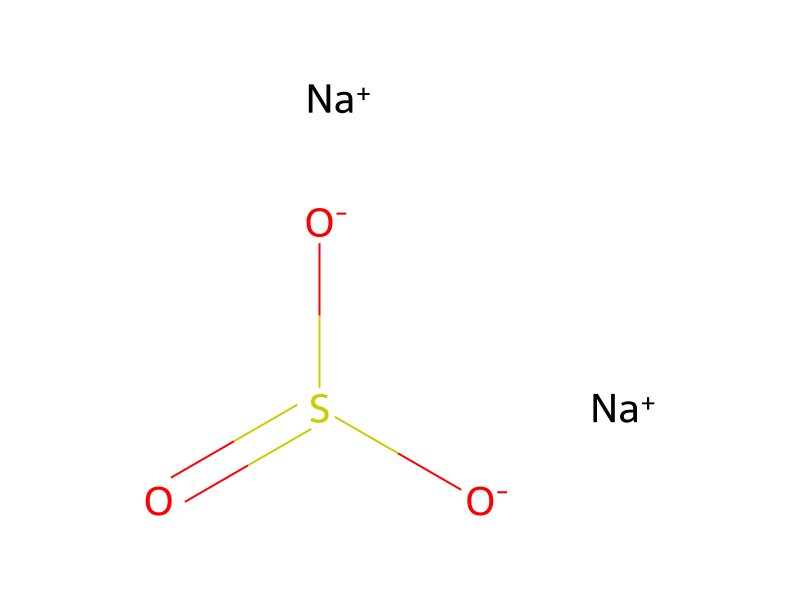
[F:1][C:2]([F:19])([F:18])[CH:3]([C:12]1[CH:17]=[CH:16][N:15]=[CH:14][CH:13]=1)[O:4][Si:5]([CH2:10][CH3:11])([CH2:8][CH3:9])[CH2:6][CH3:7].ClC1C=CC=C(C(OO)=[O:28])C=1.S([O-])([O-])=O.[Na+].[Na+]>C(Cl)(Cl)Cl>[F:19][C:2]([F:18])([F:1])[CH:3]([C:12]1[CH:17]=[CH:16][N+:15]([O-:28])=[CH:14][CH:13]=1)[O:4][Si:5]([CH2:8][CH3:9])([CH2:6][CH3:7])[CH2:10][CH3:11]To 40 ml of chloroform were added 5.5 g of 4-[2,2,2-trifluoro-1-(triethylsilyloxy)ethyl]pyridine, and 7.5 g of meta-chloroperbenzoic acid, and the mixture was stirred at 0° C. for 2 hours, and at room temperature for 3 hours. Thereafter, the reaction solution was poured into an aqueous saturated sodium sulfite solution, followed by extraction with chloroform three times. The organic layers were combined, washed with an aqueous saturated sodium chloride solution, dried with anhydrous magnesium sulfate, and concentrated. The residue was subjected to silica gel column chromatography to obtain 5 g of 4-[2,2,2-trifluoro-1-(triethylsilyloxy)ethyl]pyridine N-oxide.