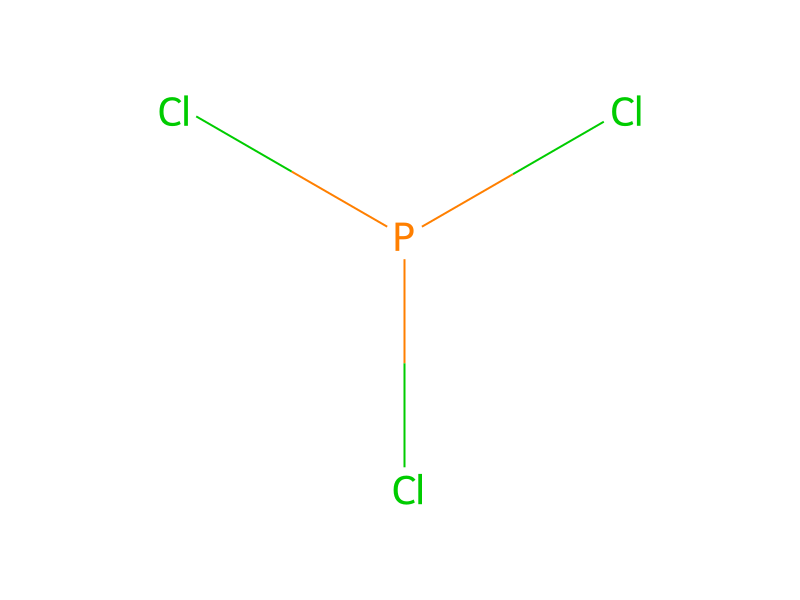
Phosphorus trichloride → HCID 135936185, compound
Reaction equation

[Br:1][C:2]1[N:7]=[C:6]2[C:8]([C:12]3[CH:17]=[CH:16][C:15]([CH2:18][N:19]4[CH2:24][CH2:23][O:22][CH2:21][CH2:20]4)=[CH:14][N+:13]=3[O-])=[C:9]([OH:11])[NH:10][C:5]2=[CH:4][CH:3]=1.P(Cl)(Cl)Cl>C(OCC)(=O)C>[Br:1][C:2]1[N:7]=[C:6]2[C:8]([C:12]3[CH:17]=[CH:16][C:15]([CH2:18][N:19]4[CH2:20][CH2:21][O:22][CH2:23][CH2:24]4)=[CH:14][N:13]=3)=[C:9]([OH:11])[NH:10][C:5]2=[CH:4][CH:3]=1Participants
4
Reactant 2

Product 1

Reagents, catalysts & solvents 1

Procedure
728 mg of 2-(5-Bromo-2-hydroxy-1H-pyrrolo[3,2-b]pyridin-3-yl)-5-(morpholinomethyl)pyridine 1-oxide from example 4.1 were dissolved in ethyl acetate (20 mL) and 627 μL phosphorus trichloride (7.19 mmol) was added. After stirring the resulting suspension at ambient temperature for 2 days the precipitate was removed by filtration, washed with ethyl acetate, and dissolved in water. The aqueous layer was basified by addition of solid NaHCO3 and extracted with ethyl acetate (6×). The combined organic phases were dried over Na2SO4, filtered, and concentrated under reduced pressure. The crude was further purified by flash chromatography yielding the titled compound as a yellow foam (335 mg, 48%).